Chrysoprase Stone: Complete Guide, Meaning, Properties, Uses, Value, and Care
Introduction
Chrysoprase is one of the most beautiful and distinctive varieties of chalcedony. Famous for its attractive apple-green to deep green color, this gemstone has been admired for centuries by collectors, jewelry lovers, and gemstone enthusiasts. Its fresh green appearance makes it different from many traditional gemstones, while its connection with quartz gives it excellent durability for many types of jewelry.
The name Chrysoprase comes from Greek words associated with gold and green color. Although chrysoprase does not usually have the brilliant transparency of emerald, its soft green appearance can be remarkably attractive. The color is generally caused by small amounts of nickel within the gemstone.
Today, chrysoprase is used in rings, necklaces, bracelets, earrings, pendants, cabochons, carvings, decorative objects, and collectible gemstone specimens. High-quality chrysoprase can be particularly desirable because naturally strong, evenly colored green material is not always easy to find.
This complete guide explores chrysoprase stone in detail, including its meaning, history, geological formation, physical properties, colors, symbolism, uses, value, identification, care, and buying tips.
What Is Chrysoprase Stone?
Chrysoprase is a green variety of chalcedony, which itself is a microcrystalline form of quartz. Unlike transparent quartz crystals, chalcedony generally has a very fine crystalline structure that gives it a smooth and compact appearance.
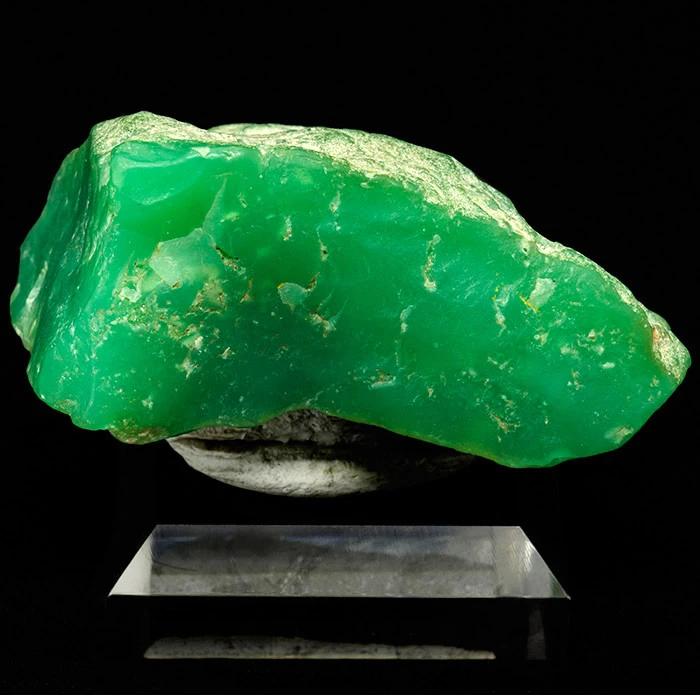
The most recognizable feature of chrysoprase is its green color. Depending on the amount and distribution of coloring elements, chrysoprase can range from pale green and yellowish green to strong apple green and darker green.
Nickel is generally considered the primary coloring element responsible for chrysoprase’s characteristic green color. This makes chrysoprase different from many other green gemstones whose colors are caused by chromium or iron.
Because chrysoprase is a type of chalcedony, it has good hardness and can be polished to a smooth, attractive surface. It is especially popular when cut as a cabochon because its color and natural texture can be displayed beautifully without requiring faceting.
Chrysoprase Stone Meaning
Chrysoprase is commonly associated with freshness, renewal, growth, peace, and emotional balance in gemstone traditions. Its green color naturally connects it with ideas of nature, spring, plants, and new beginnings.
In historical and modern crystal traditions, chrysoprase is sometimes described as a stone of optimism and positive thinking. These descriptions are part of cultural and spiritual traditions rather than scientifically established effects.
For jewelry lovers, the meaning of chrysoprase can simply come from its appearance. Its lively green color can represent nature, vitality, freshness, and elegance.
Chrysoprase Stone History
Chrysoprase has a long history of use as an ornamental stone. Ancient civilizations valued colorful varieties of chalcedony because these materials could be polished and shaped into decorative objects.
Green gemstones have historically attracted attention because green was often associated with vegetation, fertility, renewal, and natural beauty. Chrysoprase became especially recognizable because of its unusual green shade.
In European jewelry history, chrysoprase became particularly fashionable during the eighteenth century. It was used in jewelry and decorative arts, and it became associated with certain periods of European design.
Some historical sources connect chrysoprase with the jewelry and decorative interests of Frederick the Great of Prussia. Green chrysoprase was used in decorative architecture and objects associated with the period.
Its popularity has continued into modern times, particularly among people who prefer unusual gemstones rather than more common choices.
Chrysoprase Geological Formation
Chrysoprase forms as a variety of chalcedony in geological environments where silica-rich fluids interact with rocks containing nickel.
Silica is an important component of quartz and chalcedony. Over geological periods, silica-bearing solutions can move through cracks, cavities, and spaces in rocks. Under suitable conditions, microscopic quartz crystals accumulate and form chalcedony.
When nickel is present during formation, it can produce the characteristic green coloration associated with chrysoprase.
The exact appearance of a chrysoprase specimen depends on several factors, including the geological environment, mineral composition, concentration of coloring elements, and conditions under which the stone formed.
This natural geological process is one reason chrysoprase specimens can vary significantly in color and appearance.
Chrysoprase Color
Color is one of the most important characteristics of chrysoprase.
The gemstone may appear:
- Pale green
- Yellowish green
- Apple green
- Medium green
- Bluish green
- Deep green
The famous apple-green shade is especially attractive and can command greater interest among collectors and jewelry buyers.
Color distribution is also important. Some chrysoprase specimens have relatively even color, while others may display cloudy areas, patches, bands, or variations.
Unlike highly transparent gemstones, chrysoprase is usually translucent rather than transparent. Its slightly cloudy appearance is part of its natural character.
Why Is Chrysoprase Green?
The green color of chrysoprase is generally associated with nickel.
Nickel can enter the structure of the chalcedony or occur in microscopic mineral inclusions. The concentration and distribution of nickel can influence the final color.
This is an important distinction because not all green gemstones receive their color from the same chemical element.
For example, emerald’s famous green color is mainly related to chromium and/or vanadium, depending on the deposit. Chrysoprase, by contrast, is characteristically associated with nickel.
Chrysoprase vs Emerald
Chrysoprase and emerald are both popular green gemstones, but they are very different minerals.
Emerald belongs to the beryl mineral family, while chrysoprase belongs to the chalcedony variety of quartz.
Emerald is usually more transparent and has a crystalline appearance. Chrysoprase generally has a smooth, slightly translucent appearance.
Their hardness also differs. Emerald has a Mohs hardness of approximately 7.5 to 8, while chrysoprase has a hardness around 6.5 to 7.
Chrysoprase can therefore provide a more affordable and unusual alternative for people who love green gemstones but do not specifically require emerald.
However, chrysoprase should not automatically be considered a substitute for emerald in terms of rarity, market value, or optical properties. They are separate gemstones with their own characteristics.
Chrysoprase Physical Properties
Understanding the physical properties of chrysoprase is useful for collectors and jewelry buyers.
Mineral Family
Chrysoprase belongs to the quartz family and is a variety of chalcedony.
Chemical Composition
Its basic composition is primarily silicon dioxide, with nickel associated with its characteristic green color.
Mohs Hardness
Chrysoprase generally has a Mohs hardness of approximately 6.5 to 7.
This makes it reasonably durable for jewelry, although it can still be scratched by harder materials.
Luster
Chrysoprase commonly has a waxy to vitreous luster when polished.
Transparency
It is generally translucent rather than transparent.
Crystal System
Because chrysoprase is chalcedony, it is associated with quartz’s trigonal crystal system at the microscopic mineralogical level, although chalcedony has a distinctive microcrystalline structure.
Specific Gravity
Chalcedony typically has a specific gravity in the approximate range of 2.55 to 2.70, with exact values depending on composition and inclusions.
Chrysoprase Appearance
The visual appearance of chrysoprase is one of its strongest attractions.
A high-quality specimen may display an intense green color with a smooth, almost glowing appearance. Because the stone is often cut as a cabochon, light interacts with its curved surface and translucent body.
Some specimens contain natural inclusions or variations that make each piece unique.
Instead of looking perfectly clear like some faceted gemstones, chrysoprase often has a soft depth that creates a natural and organic appearance.
Chrysoprase Jewelry
Chrysoprase is widely used in jewelry.
Chrysoprase Rings
Chrysoprase rings are popular because a polished green cabochon can become the central feature of the design.
Simple silver settings can create a modern appearance, while gold settings can produce a more traditional or luxurious look.
Because chrysoprase has moderate hardness, rings should be treated with reasonable care, especially if the stone has a large exposed surface.
Chrysoprase Necklaces
Chrysoprase pendants and necklaces are among the most practical ways to wear this gemstone.
A pendant is less likely to experience the repeated impacts that a ring may encounter during everyday activities.
Chrysoprase Earrings
Chrysoprase earrings can provide an elegant touch of green color. Both cabochon and carved designs can work beautifully in earrings.
Chrysoprase Bracelets
Beaded chrysoprase bracelets are also popular. They allow the natural color variation of the stone to become part of the overall design.
Chrysoprase Pendants
Large chrysoprase cabochons are frequently turned into pendants because the smooth surface allows the gemstone’s color and patterns to remain visible.
Chrysoprase Cabochons
Cabochon cutting is particularly suitable for chrysoprase.
A cabochon has a smooth, rounded, polished surface rather than the multiple flat facets used in traditional faceted gemstones.
This cutting style works well with opaque and translucent gemstones because it emphasizes color, texture, and natural appearance.
A well-polished chrysoprase cabochon can have a soft glow that makes the green color especially attractive.
Chrysoprase Beads
Chrysoprase is also used for gemstone beads.
Beads can be produced in many shapes and sizes, including:
- Round beads
- Oval beads
- Barrel beads
- Rondelle beads
- Faceted beads
- Carved beads
Because natural chrysoprase can vary in color, bead strands may show subtle differences between individual pieces.
This variation is often considered part of the beauty of natural gemstone jewelry.
Chrysoprase Carvings
Chrysoprase can be carved into decorative shapes because chalcedony is relatively workable compared with many harder gemstones.
Artists may create:
- Animal carvings
- Leaves
- Flowers
- Figurines
- Hearts
- Abstract designs
- Decorative objects
The green color makes chrysoprase particularly attractive for nature-inspired carvings.
Chrysoprase Symbolism
Different cultures and gemstone traditions have associated chrysoprase with various symbolic meanings.
Common modern associations include:
- Renewal
- Hope
- Peace
- Growth
- Optimism
- Nature
- Emotional balance
- Fresh beginnings
These symbolic meanings should be understood as cultural or spiritual traditions rather than scientific facts.
People may choose chrysoprase simply because its green color represents something meaningful to them.
Chrysoprase and Birthstones
Chrysoprase is not one of the traditional modern birthstones for most commonly recognized birthstone calendars.
However, alternative birthstone traditions may include different gemstones depending on the month, culture, or jewelry organization.
People can still choose chrysoprase as a personal gemstone regardless of official birthstone lists.
Chrysoprase and Astrology
Some gemstone traditions connect chrysoprase with particular zodiac signs or planetary influences.
These associations vary considerably between different traditions and are not scientifically established.
If someone enjoys astrology, chrysoprase may be selected based on its traditional symbolic connections, green color, or personal preference.
Chrysoprase Healing Properties: What Tradition Says
Chrysoprase is sometimes described in crystal-healing traditions as a stone connected with calmness, positivity, emotional balance, and renewal.
However, there is no strong scientific evidence that wearing or carrying chrysoprase produces specific medical or psychological effects.
For this reason, chrysoprase should be appreciated as a gemstone, decorative object, or cultural symbol rather than used as a replacement for professional medical care.
Chrysoprase Chakra Associations
In crystal traditions, green gemstones are often associated with the heart chakra.
Chrysoprase is therefore sometimes described as a heart-centered stone connected with compassion, emotional openness, peace, and harmony.
These are spiritual interpretations rather than scientifically proven properties.
Where Is Chrysoprase Found?
Chrysoprase deposits have been found in several parts of the world.
Important historical and modern sources include:
- Australia
- Poland
- Germany
- Brazil
- Tanzania
- Russia
- Madagascar
- The United States
- Other regions with suitable geological conditions
Australia has historically been one of the best-known sources of chrysoprase.
The quality of material can differ significantly from one locality to another. Some deposits are particularly famous for strong green color and attractive material.
Australian Chrysoprase
Australian chrysoprase has a strong reputation among gemstone collectors.
Australia has produced attractive green chalcedony, including material with vivid apple-green coloration.
Australian chrysoprase can occur in association with nickel-rich geological environments. Some material has excellent color and polishability, making it popular in jewelry and collectible specimens.
Polish Chrysoprase
Poland has also played an important role in the history of chrysoprase.
Historically significant deposits in Lower Silesia helped make chrysoprase fashionable in Europe.
Some historic buildings and decorative objects incorporated green chrysoprase material, reflecting the gemstone’s popularity during earlier European periods.
Chrysoprase from Brazil
Brazil is famous for many varieties of quartz and chalcedony, and chrysoprase-like green chalcedony has also been reported from Brazilian deposits.
Brazilian gemstones are widely represented in international markets, and their quality and appearance can vary depending on the specific locality.
Chrysoprase from Tanzania
Tanzania is another country known for a wide range of gemstones and mineral specimens.
Green chalcedony and chrysoprase material from African sources may attract collectors because of its distinctive color and geological characteristics.
Chrysoprase Value
The value of chrysoprase depends on several factors.
Important factors include:
- Color
- Color consistency
- Saturation
- Clarity
- Size
- Quality of polish
- Origin
- Naturalness
- Cutting quality
- Market demand
Strong, attractive green color is generally one of the most important factors.
A piece with rich, even apple-green color may be more desirable than a pale or uneven specimen.
However, gemstone prices can vary considerably between sellers and markets, so there is no single universal price for chrysoprase.
What Makes Chrysoprase Valuable?
The most desirable chrysoprase often has:
- Attractive green color
- Good color saturation
- Even coloration
- Fine translucency
- Smooth texture
- Excellent polish
- Minimal distracting fractures
- Suitable size
- Natural origin
Large, high-quality pieces can be especially interesting to collectors.
Chrysoprase Quality Factors
When buying chrysoprase, examine the stone carefully.
Color
Look for attractive and consistent green coloration.
Transparency
Moderate translucency can add visual depth.
Surface
A high-quality polish should produce a smooth, attractive surface.
Cracks
Major fractures can reduce durability and desirability.
Shape
Well-proportioned cabochons tend to display the color effectively.
Treatment
Ask whether the stone has been dyed, stabilized, or otherwise treated.
Natural vs Treated Chrysoprase
Natural chrysoprase is generally preferred by collectors who want an untreated gemstone.
However, green chalcedony can sometimes be treated or marketed under confusing names.
A reputable seller should clearly disclose treatments when known.
If a gemstone is being sold as high-value natural chrysoprase, buyers should ask for reliable information about its origin and treatment status.
For expensive purchases, an independent gemological report may be useful.
How to Identify Real Chrysoprase
Identifying chrysoprase accurately can sometimes be difficult because many green stones exist in the marketplace.
Professional gemologists may use:
- Refractive index testing
- Specific gravity
- Microscopic examination
- Spectroscopic methods
- Examination of inclusions
- Chemical analysis when necessary
Visual appearance alone is not always enough to identify a gemstone with certainty.
A bright green stone should not automatically be assumed to be chrysoprase.
Chrysoprase vs Green Aventurine
Green aventurine and chrysoprase can sometimes look similar, but they are different materials.
Green aventurine is a quartz variety characterized by visible inclusions, commonly mica or other minerals, that can create a sparkling effect called aventurescence.
Chrysoprase generally has a smoother and more uniform appearance and gets its characteristic green color from nickel-related coloration.
Both can be attractive, but their appearances and mineralogical characteristics differ.
Chrysoprase vs Jade
Chrysoprase and jade are also frequently compared because both can be green.
Jade refers mainly to two different minerals: jadeite and nephrite.
Chrysoprase is a type of chalcedony.
Jade can have a wide range of green colors and textures, while chrysoprase often has a more translucent, quartz-like appearance.
They should not be confused simply because both are green.
Chrysoprase vs Malachite
Malachite is a copper carbonate mineral and usually has distinctive green bands and patterns.
Chrysoprase, in contrast, is a green variety of chalcedony and often has a smoother, more evenly colored appearance.
Malachite is also softer than chrysoprase, so the two gemstones have different practical properties.
How to Clean Chrysoprase
Cleaning chrysoprase is relatively simple.
Use:
- Lukewarm water
- Mild soap
- Soft cloth
- Soft brush when necessary
Gently clean the gemstone and rinse it carefully.
After cleaning, dry it with a soft cloth.
Avoid aggressive cleaning methods unless a professional confirms that they are safe for the specific piece.
How to Care for Chrysoprase Jewelry
Although chrysoprase is reasonably durable, proper care helps preserve its appearance.
Avoid Harsh Chemicals
Keep chrysoprase away from strong household chemicals and harsh cleaning products.
Avoid Hard Impacts
Do not wear valuable chrysoprase jewelry during activities where it may be struck against hard surfaces.
Store Separately
Store chrysoprase jewelry separately from harder gemstones to reduce the risk of scratches.
Use Soft Fabric
A soft jewelry pouch or lined box is ideal for storage.
Avoid Extreme Conditions
Sudden changes in temperature and prolonged exposure to harsh environmental conditions are best avoided.
Can Chrysoprase Be Worn Every Day?
Chrysoprase can be suitable for regular jewelry use when handled carefully.
Its Mohs hardness of approximately 6.5 to 7 provides reasonable resistance to everyday scratching.
However, daily wear is generally safer for pendants and earrings than for rings because rings experience more impacts and abrasion.
If you wear a chrysoprase ring every day, inspect it periodically for scratches, chips, or damage.
Chrysoprase in Modern Jewelry Design
Modern jewelry designers appreciate chrysoprase because it provides a natural green color without the high cost associated with some famous green gemstones.
It can be combined with:
- Sterling silver
- Yellow gold
- White gold
- Rose gold
- Platinum
- Other colored gemstones
- Pearls
Silver and chrysoprase are especially popular together because the cool metal can complement the green gemstone.
Gold can create a warmer and more luxurious appearance.
Chrysoprase for Men and Women
Chrysoprase is a versatile gemstone and can be used in jewelry for anyone.
Men’s designs may include:
- Signet rings
- Simple pendants
- Beaded bracelets
- Cufflinks
- Minimalist rings
Women’s jewelry may include:
- Earrings
- Pendant necklaces
- Rings
- Bracelets
- Decorative brooches
Its green color works with both classic and modern designs.
Chrysoprase Collecting
Gemstone collectors often look for chrysoprase specimens with unusual color, excellent translucency, interesting patterns, or notable geological origin.
Collectors may also value historical chrysoprase objects, especially those associated with important periods of European decorative arts.
When collecting, documentation and provenance can increase the interest of a specimen.
Chrysoprase for Gemstone Enthusiasts
For people who enjoy collecting gemstones, chrysoprase offers an excellent combination of beauty and geological interest.
It is:
- Relatively durable
- Distinctively colored
- Available in different shades
- Suitable for jewelry
- Interesting from a geological perspective
- Historically significant
Its combination of natural green color and chalcedony structure makes it different from many other green stones.
How to Buy Chrysoprase
When purchasing chrysoprase, start by examining the color.
Ask the seller:
- Is it natural chrysoprase?
- Has it been treated?
- Where did it come from?
- Is the material dyed?
- Is it stabilized?
- What is the stone’s weight?
- Is there a laboratory report?
- Is the listed price for the stone or the complete jewelry item?
These questions can help you make a more informed purchase.
Buying Chrysoprase Online
Online gemstone shopping requires extra care because photographs can change the appearance of color.
Before purchasing, check:
- Seller reputation
- Customer reviews
- Return policy
- Treatment disclosure
- Exact dimensions
- Weight
- Clear photographs
- Natural-light photographs when available
- Certification for expensive specimens
A gemstone that looks extremely bright green in a heavily edited photograph may look different in person.
Chrysoprase Ring Buying Guide
If you are buying a chrysoprase ring, pay attention to the setting.
A protective setting can reduce the chance of damage to the gemstone.
Also consider the size of the cabochon. Large stones can make a dramatic statement, while smaller stones may be easier to wear every day.
The ring should fit comfortably without putting unnecessary pressure on the stone.
Chrysoprase Pendant Buying Guide
Pendants are an excellent choice for showcasing chrysoprase.
Look for a stone with:
- Strong color
- Attractive shape
- Smooth polish
- Good translucency
- Secure setting
Because pendants usually experience less physical contact than rings, they can be a practical choice for a large chrysoprase gemstone.
Chrysoprase and Fashion
Green gemstones have remained popular in fashion because green can complement many clothing colors.
Chrysoprase works particularly well with:
- White
- Black
- Beige
- Brown
- Gray
- Blue
- Neutral tones
Its natural appearance can create a sophisticated style without looking overly formal.
Chrysoprase in Interior Decoration
Large pieces of chrysoprase or green chalcedony can also be used as decorative objects.
Examples include:
- Polished slabs
- Sculptures
- Bookends
- Carvings
- Display specimens
- Decorative bowls
Collectors may display unusual pieces as part of a mineral collection.
Chrysoprase and Nature
One reason chrysoprase is visually appealing is its strong connection with the color of nature.
Its green tones may remind people of:
- Fresh leaves
- Spring landscapes
- Forest plants
- Grass
- New growth
- Natural landscapes
This makes chrysoprase especially attractive for nature-inspired jewelry.
Interesting Facts About Chrysoprase
Here are several interesting facts about chrysoprase:
- Chrysoprase is a variety of chalcedony.
- Chalcedony belongs to the quartz family.
- Nickel is associated with chrysoprase’s characteristic green color.
- Chrysoprase can range from pale green to vivid apple green.
- It is commonly cut as a cabochon.
- Australia is a well-known source of chrysoprase.
- Historical deposits in Poland contributed to its popularity in Europe.
- Chrysoprase has been used in jewelry and decorative arts for centuries.
- It is harder than many common decorative stones.
- Natural color variation can make each piece unique.
- Chrysoprase is generally translucent rather than transparent.
- It can be polished to a smooth, attractive surface.
- Green chrysoprase is sometimes compared visually with jade and emerald.
- Chrysoprase can be used for beads and carvings.
- It remains popular among gemstone collectors today.
Is Chrysoprase Rare?
High-quality chrysoprase can be relatively uncommon, especially material with strong, attractive, evenly distributed green color.
However, rarity should always be considered in relation to quality, size, origin, and market availability.
Not every green chalcedony specimen is rare or expensive.
The most desirable examples are those with exceptional color and overall quality.
Is Chrysoprase a Valuable Stone?
Chrysoprase can be valuable, but prices vary widely.
High-quality material with vivid color and good translucency can command higher prices.
Lower-quality material with pale color, significant fractures, or unattractive patterns may be much less expensive.
As with most gemstones, beauty, quality, rarity, and demand all influence market value.
Is Chrysoprase a Good Gemstone for Jewelry?
Yes, chrysoprase can be an excellent jewelry gemstone when used appropriately.
Its attractive green color, moderate hardness, and ability to take a good polish make it suitable for many designs.
However, it should be protected from severe impact and scratching.
For everyday use, earrings and pendants are generally less exposed to physical damage than rings.
Does Chrysoprase Fade?
Some chrysoprase can be sensitive to prolonged exposure to intense light or heat, depending on its material and coloring characteristics.
For this reason, it is sensible to store chrysoprase away from prolonged direct sunlight and avoid unnecessary heat exposure.
Proper storage helps preserve the gemstone’s appearance.
How to Store Chrysoprase
Store chrysoprase in a cool, dry location.
A soft jewelry pouch or separate compartment in a jewelry box is ideal.
Avoid placing it directly against harder gemstones because they may scratch its surface.
If you have several pieces of chrysoprase jewelry, keeping each piece separated can help prevent accidental damage.
Chrysoprase and Jewelry Durability
With a Mohs hardness of approximately 6.5 to 7, chrysoprase is reasonably durable but not scratch-proof.
Quartz has a hardness of 7, while many gemstones are harder than 7.
Diamonds, for example, are significantly harder.
Therefore, chrysoprase should be treated as a durable but not indestructible gemstone.
Chrysoprase Cutting Styles
Common cutting styles include:
- Cabochon
- Beads
- Carvings
- Smooth polished pieces
- Occasional faceted forms
Cabochons remain particularly popular because they showcase chrysoprase’s color and translucent appearance.
Chrysoprase in Antique Jewelry
Antique jewelry containing chrysoprase can be especially interesting to collectors.
Historical jewelry designs sometimes used colored gemstones as alternatives to more expensive transparent gems.
Chrysoprase’s attractive green appearance made it suitable for decorative jewelry and objects.
When evaluating antique chrysoprase jewelry, age, craftsmanship, provenance, condition, and authenticity can all affect value.
Chrysoprase for Gift Giving
Chrysoprase can make a thoughtful gemstone gift because green has broad visual appeal.
Possible gifts include:
- Chrysoprase pendant
- Chrysoprase earrings
- Chrysoprase bracelet
- Chrysoprase ring
- Chrysoprase bead necklace
- Polished chrysoprase specimen
- Decorative gemstone carving
The best choice depends on the recipient’s personal style.
How to Choose the Best Chrysoprase
There is no single “best” chrysoprase for everyone.
If you prefer bright color, look for vivid apple-green material.
If you prefer natural character, choose a specimen with interesting variations or inclusions.
If you want jewelry for regular use, prioritize secure settings and good craftsmanship.
For collecting, unusual color, size, origin, and provenance may be more important.
Chrysoprase Care Checklist
For easy reference, follow these basic care rules:
- Clean with mild soap and lukewarm water.
- Use a soft cloth.
- Avoid harsh chemicals.
- Avoid strong impacts.
- Store separately from harder gemstones.
- Keep away from prolonged intense sunlight.
- Avoid extreme heat.
- Check jewelry settings regularly.
- Remove jewelry during activities that could damage it.
Frequently Asked Questions About Chrysoprase
What is chrysoprase stone?
Chrysoprase is a green variety of chalcedony, which is a microcrystalline form of quartz. Its characteristic green color is associated with nickel.
What color is chrysoprase?
Chrysoprase can range from pale green and yellowish green to vivid apple green and deeper green shades.
Is chrysoprase a quartz?
Yes. Chrysoprase is a variety of chalcedony, and chalcedony belongs to the quartz family.
Is chrysoprase expensive?
Its price varies widely. High-quality chrysoprase with vivid, even color can be significantly more valuable than pale or lower-quality material.
Is chrysoprase durable?
Yes. With a Mohs hardness of approximately 6.5 to 7, chrysoprase has reasonable durability for jewelry, although it can still be scratched or chipped.
Can chrysoprase be worn every day?
It can be worn regularly with proper care. Pendants and earrings generally face less impact than rings.
Is chrysoprase the same as jade?
No. Chrysoprase is chalcedony, while jade refers mainly to jadeite and nephrite. They are different minerals.
Is chrysoprase the same as emerald?
No. Emerald is a variety of beryl, while chrysoprase is a variety of chalcedony. Their chemical compositions and physical properties are different.
What makes chrysoprase green?
Nickel is generally associated with the green coloration of chrysoprase.
Where is chrysoprase found?
Notable sources include Australia and historical deposits in Poland, along with occurrences in countries such as Brazil, Tanzania, Germany, Russia, Madagascar, and the United States.
How should chrysoprase be cleaned?
Use lukewarm water, mild soap, and a soft cloth. Avoid harsh chemicals and aggressive cleaning methods.
Can chrysoprase be used in rings?
Yes. Chrysoprase is used in rings, but because it has moderate hardness, protective settings and careful handling are recommended.
Is natural chrysoprase rare?
Fine natural chrysoprase with strong, even green color can be relatively uncommon and desirable, although availability varies by quality and source.
Conclusion
Chrysoprase is a beautiful green variety of chalcedony with a long history and a distinctive natural appearance. Its apple-green color, association with nickel, smooth texture, and ability to take a fine polish have made it popular among jewelry designers, collectors, and gemstone enthusiasts.
Unlike emerald, jade, and other famous green gemstones, chrysoprase has its own mineralogical identity and visual character. It offers an attractive combination of natural color, reasonable durability, historical interest, and versatility.
Whether used in a chrysoprase ring, pendant, bracelet, earrings, beads, carving, or mineral collection, this gemstone can provide a fresh and elegant green appearance.
When purchasing chrysoprase, buyers should pay attention to color, translucency, quality, treatment status, craftsmanship, and seller reputation. Proper care is also important because the gemstone can be scratched or damaged by harsh conditions.
For anyone interested in colorful gemstones, chrysoprase is a fascinating stone worth exploring. Its connection with quartz, unusual nickel-related green coloration, historical use, and natural beauty make it a memorable gemstone with a character all its own.