Serpentine Stone: Complete Guide, Meaning, Properties, Uses, Benefits, and Value
Introduction to Serpentine Stone
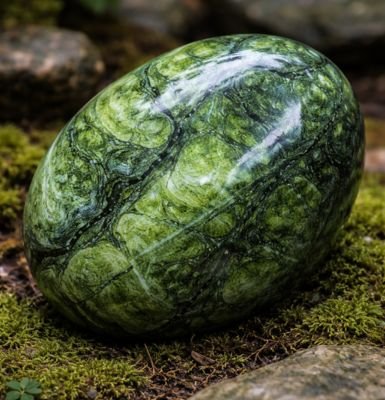
Serpentine stone is a fascinating natural stone known for its attractive green colors, distinctive patterns, smooth appearance, and long geological history. It is not usually a single mineral but a group of minerals belonging to the serpentine mineral group. Serpentine stones can appear in shades of green, yellow-green, brown, black, gray, and sometimes creamy or white, making them popular among collectors, jewelry enthusiasts, interior designers, and people interested in natural gemstones.
The name “serpentine” comes from the Latin word serpens, meaning “snake.” This name refers to the stone’s often snake-like patterns and colors. Some varieties display beautiful mottled or veined patterns that resemble the skin of a snake.
Serpentine is formed through geological processes that transform certain magnesium-rich rocks, especially ultramafic rocks such as peridotite and pyroxenite. This process, known as serpentinization, can occur when water interacts with rocks deep within the Earth’s crust.
Today, serpentine stone is used for decorative objects, carvings, ornamental stone, jewelry, countertops, architectural features, and mineral collections. Its attractive appearance and relatively workable nature have made it an important ornamental material in different cultures.
In this comprehensive guide, we will explore serpentine stone in detail, including its meaning, geological formation, colors, physical properties, varieties, uses, history, care instructions, value, identification methods, and frequently asked questions.
What Is Serpentine Stone?
Serpentine is a group of magnesium-rich silicate minerals that commonly form when ultramafic rocks undergo alteration in the presence of water. The main minerals associated with the serpentine group include antigorite, lizardite, and chrysotile.
Although many people refer to serpentine as a gemstone, it is more accurately described as a mineral group or rock-forming material. Some serpentine varieties are attractive enough to be cut, polished, carved, or used as ornamental stones.
Serpentine is especially recognized for its green appearance. However, the color can vary considerably depending on its mineral composition, impurities, weathering, and geological environment.
The stone may have:
- Light green colors
- Dark green colors
- Yellow-green shades
- Olive-green tones
- Brownish-green colors
- Gray-green colors
- Black or dark patches
- White or cream-colored areas
Its surface can become beautifully smooth and glossy when polished, which is one reason it has been used for decorative purposes for centuries.
Serpentine Stone Meaning
The meaning of serpentine stone is closely connected with its natural appearance and historical associations. Because of its green color and snake-like patterns, serpentine has been associated with nature, transformation, and the Earth.
In modern gemstone culture, some people symbolically associate serpentine with:
- Renewal
- Transformation
- Balance
- Nature
- Grounding
- Personal growth
- Protection
- Calmness
These meanings are cultural or spiritual interpretations rather than scientifically proven properties. There is no reliable scientific evidence that serpentine stone can produce specific physical or psychological effects simply by being worn or carried.
Nevertheless, symbolic meanings can add personal significance to a stone. Many collectors appreciate serpentine because of its geological history and natural beauty rather than any supposed metaphysical effect.
Why Is Serpentine Called Serpentine?
The word serpentine is derived from the Latin word serpens, which means snake.
The name was inspired by the stone’s appearance. Many serpentine specimens contain irregular green, dark, yellowish, or black patterns that can resemble snake skin.
This distinctive appearance helped make serpentine recognizable among traditional ornamental stones.
Different specimens can look dramatically different. Some are almost uniformly green, while others display complex veins and patches that create a unique natural pattern.
How Is Serpentine Stone Formed?
Serpentine forms through a geological process called serpentinization.
This process generally begins with ultramafic rocks that contain minerals rich in magnesium and iron. When water enters cracks and reacts with these minerals under suitable temperature and pressure conditions, the original minerals can be transformed into serpentine-group minerals.
The process can also produce other minerals, including magnetite and sometimes brucite.
Serpentinization is important in geology because it changes the physical and chemical characteristics of rocks. It can also influence geological environments associated with tectonic activity.
The formation process can be summarized as:
- Ultramafic rock forms deep within the Earth.
- Water enters fractures and pores within the rock.
- Chemical reactions occur between water and primary minerals.
- Serpentine-group minerals develop.
- Additional minerals may form as part of the alteration process.
- Geological uplift and erosion eventually expose the material at the Earth’s surface.
This long geological process gives serpentine its distinctive mineralogical characteristics.
Main Minerals in the Serpentine Group
The serpentine mineral group includes several important minerals. The three commonly recognized serpentine minerals are antigorite, lizardite, and chrysotile.
Antigorite
Antigorite is a serpentine mineral known for its relatively stable structure and association with metamorphic rocks. It is commonly found in serpentinite and other altered ultramafic rocks.
Some attractive antigorite-rich materials can be polished and used as ornamental stone.
Lizardite
Lizardite is another important member of the serpentine group. It commonly occurs in altered ultramafic rocks and may contribute to green, yellow-green, or pale-colored serpentine materials.
Chrysotile
Chrysotile is a fibrous serpentine mineral. Historically, it has been the most important serpentine mineral associated with asbestos.
This distinction is important because not every serpentine specimen is the same. Some serpentine rocks can contain fibrous asbestos minerals, so material intended for cutting, drilling, sanding, or construction should be properly identified and handled with appropriate safety precautions.
Serpentine Stone Colors
Green is the most famous color associated with serpentine, but the stone occurs in many different shades.
Dark Green Serpentine
Dark green serpentine can have a rich, deep appearance. It is often highly attractive when polished and may contain lighter veins.
Light Green Serpentine
Light green serpentine has a softer appearance and can sometimes resemble jade. Because of this visual similarity, serpentine has occasionally been mistaken for jade.
Yellow-Green Serpentine
Yellow-green serpentine can develop because of mineral composition and alteration. These specimens may have a warm, earthy appearance.
Olive Green Serpentine
Olive-green serpentine is particularly common and is often associated with classic serpentine coloration.
Brown and Green Serpentine
Some specimens contain brown areas mixed with green. These natural patterns can create attractive decorative surfaces.
Black and Green Serpentine
Dark inclusions can produce striking contrast within a green serpentine specimen.
Serpentine Stone Appearance and Luster
Serpentine can have a waxy, greasy, silky, or somewhat glassy appearance depending on its mineral composition and surface condition.
When rough, it may appear dull or earthy. When polished, however, some varieties develop a smooth and attractive surface.
The polished appearance can reveal:
- Natural veins
- Color variations
- Mottled patterns
- Dark inclusions
- Fine mineral textures
- Layering
- Wavy structures
Every natural specimen can therefore have a slightly different appearance.
Physical Properties of Serpentine
Serpentine is generally considered a relatively soft material compared with many common gemstones.
Its hardness varies among different specimens and mineral varieties, but it is commonly around 2.5 to 5 on the Mohs hardness scale.
Important properties include:
- Mineral group: Serpentine group
- Common colors: Green, yellow-green, brown, gray, black, white
- Luster: Waxy, greasy, silky, or vitreous
- Hardness: Approximately 2.5–5 Mohs
- Crystal system: Varies by mineral species
- Specific gravity: Generally around 2.5–2.7
- Transparency: Usually opaque to translucent
- Streak: Generally white
- Common environment: Altered ultramafic rocks
Because serpentine is relatively soft, it can be easier to carve than harder gemstones.
Serpentine vs Jade
One of the most interesting topics involving serpentine stone is its similarity to jade.
Both serpentine and jade can occur in attractive green colors, and both have been used for carvings and ornamental objects. However, they are different materials.
Jade generally refers to two distinct minerals: jadeite and nephrite. Serpentine belongs to a different mineral group.
There are several differences between them.
Hardness
Jade is generally harder and tougher than serpentine.
Appearance
Some serpentine can look very similar to jade, but its texture, luster, density, and hardness can differ.
Value
High-quality jade, especially fine jadeite, can be considerably more valuable than ordinary serpentine.
Identification
Professional gemological testing can distinguish serpentine from jade more reliably than visual inspection alone.
Because green serpentine can resemble jade, buyers should be cautious when purchasing expensive material advertised as jade.
Is Serpentine a Gemstone?
Serpentine is often called a gemstone in jewelry and mineral-collecting communities, but technically it is a mineral group rather than one single mineral.
Certain serpentine varieties are suitable for decorative use and jewelry. These materials can be cut, polished, carved, and shaped into attractive objects.
However, serpentine is not generally considered one of the traditional high-value gemstones such as diamond, ruby, sapphire, or emerald.
Its appeal comes primarily from its natural patterns, colors, geological significance, and affordability.
History of Serpentine Stone
Serpentine has been used as an ornamental material for a very long time.
Ancient and historical societies valued green stones for decorative objects, carvings, architectural features, and ceremonial items. Because serpentine can sometimes resemble jade, it has also been used for objects where a jade-like appearance was desirable.
Across different regions, serpentine has been shaped into:
- Figurines
- Bowls
- Decorative boxes
- Beads
- Pendants
- Carvings
- Tiles
- Architectural ornaments
Its relative softness compared with many other stones makes it suitable for detailed carving.
Uses of Serpentine Stone
Serpentine has many applications.
Jewelry
Some varieties are cut into cabochons, beads, pendants, earrings, bracelets, and other decorative jewelry pieces.
Because the stone is relatively soft, jewelry made from serpentine should be handled carefully.
Carvings
Serpentine is popular for carving because some varieties are workable and can reveal beautiful patterns when polished.
Artists may create:
- Animals
- Figures
- Decorative bowls
- Sculptures
- Small ornaments
- Abstract shapes
Interior Decoration
Polished serpentine can be used in decorative architectural applications.
Depending on the material and its suitability, it may appear in:
- Wall panels
- Decorative tiles
- Counter surfaces
- Fireplace surrounds
- Furniture accents
- Flooring
- Sculptural installations
Mineral Collections
Collectors appreciate serpentine because it represents important geological processes and can occur in visually attractive forms.
Landscaping
Certain serpentinite rocks and serpentine-rich materials can also be used as decorative landscape stones, depending on local regulations and material characteristics.
Serpentine Stone in Jewelry
Serpentine can make attractive jewelry because of its green color and natural patterns.
Common jewelry forms include:
- Cabochons
- Beads
- Pendants
- Necklaces
- Bracelets
- Earrings
- Rings
However, serpentine is softer than many popular jewelry stones. As a result, it can scratch more easily.
For this reason, serpentine is generally better suited to jewelry designs that do not experience constant impact or abrasion.
A pendant, for example, may be more practical than a ring that is frequently exposed to hard surfaces.
Serpentine Stone Carvings
Carving is one of the traditional uses of serpentine.
The material can sometimes be shaped into detailed designs without requiring the same amount of effort needed for very hard stones.
A polished serpentine carving may display several shades of green and interesting natural patterns.
Popular carving subjects include:
- Animals
- Birds
- Plants
- Human figures
- Mythological designs
- Decorative objects
- Abstract sculptures
The final appearance depends heavily on the individual stone.
Serpentine Stone in Architecture
Serpentine has also been used as an ornamental architectural material.
Polished slabs can produce an elegant natural appearance, especially when the stone contains attractive green patterns.
Architectural uses may include decorative walls, columns, flooring, furniture surfaces, and other interior applications.
However, because different serpentine materials have different properties and some serpentinite can contain asbestos minerals, professional identification and appropriate safety assessment are important before cutting or processing unknown material.
Where Is Serpentine Found?
Serpentine and serpentinite occur in many parts of the world, particularly in regions associated with tectonic activity and exposed ultramafic rocks.
Important occurrences have been reported in:
- United States
- Canada
- Italy
- Austria
- Switzerland
- New Zealand
- South Africa
- Russia
- China
- Afghanistan
- Pakistan
- India
- Greece
- Turkey
- Norway
The exact appearance and mineral composition can vary significantly from one location to another.
Serpentine Stone in the United States
Serpentine-bearing rocks occur in several parts of the United States, especially in areas associated with ancient oceanic crust and tectonic processes.
California is particularly well known for serpentinite. Serpentinite was designated as California’s official state rock in 2010.
The stone has considerable geological importance in the state because of its connection with the complex tectonic history of the western United States.
Serpentine Stone in Pakistan
Pakistan contains diverse geological environments and is known for many types of minerals and ornamental stones.
Serpentine and serpentinite can occur in regions associated with ultramafic and metamorphic rocks. The geology of northern and western Pakistan includes complex tectonic zones where rocks originating from deeper parts of the Earth can be exposed at the surface.
Collectors interested in Pakistani serpentine should consider the exact locality and mineral composition because specimens can vary greatly in appearance and quality.
Serpentine Stone Value
Serpentine is generally an affordable ornamental stone compared with high-value gemstones.
However, the price can vary depending on:
- Color
- Pattern
- Quality
- Polish
- Size
- Rarity
- Origin
- Craftsmanship
- Type of finished product
- Collector interest
A simple serpentine specimen may be inexpensive, while a large, beautifully patterned carving can command a higher price because of its artistic value.
Rare or particularly attractive specimens can also attract collectors.
What Makes Serpentine Valuable?
Several characteristics can increase the desirability of serpentine.
Attractive Color
Strong and attractive green colors can make a specimen more appealing.
Interesting Patterns
Natural veins, spots, and contrasting colors can increase visual interest.
Good Polish
A smooth, high-quality polish can bring out the stone’s natural patterns.
Large Size
Large specimens with attractive coloration may be more desirable for collectors and decorators.
Artistic Craftsmanship
A well-made serpentine carving may be worth much more than the raw stone itself because the price also reflects artistic skill and labor.
How to Identify Serpentine Stone
Identifying serpentine visually can be challenging because it can resemble other green stones.
Some common clues include:
- Green or greenish coloration
- Waxy or greasy appearance
- Relatively low hardness
- Mottled or veined patterns
- Moderate density
- Association with serpentinite rocks
However, visual identification is not always reliable.
Professional mineral identification may use:
- Hardness testing
- Specific gravity
- Microscopy
- Chemical analysis
- X-ray diffraction
- Raman spectroscopy
If a specimen is valuable or intended for cutting, drilling, or construction, professional identification is especially important.
How to Care for Serpentine Stone
Serpentine requires reasonable care because it can be relatively soft.
Avoid Hard Impacts
Do not intentionally strike serpentine against hard surfaces.
Keep It Away From Abrasive Materials
Dust and grit can cause scratches when stones rub against each other.
Use Gentle Cleaning
A soft cloth and mild soap with water are generally suitable for many polished serpentine objects.
Avoid Harsh Chemicals
Strong acids, abrasive cleaners, and aggressive chemical treatments may damage the surface.
Store Separately
Jewelry pieces made from serpentine should ideally be stored separately from harder gemstones.
A soft pouch or individual compartment can help reduce scratching.
Can Serpentine Go in Water?
Brief exposure to clean water is generally not a problem for many serpentine specimens, especially polished decorative pieces.
However, prolonged soaking is unnecessary and should be avoided when the material contains cracks, treatments, or uncertain composition.
For routine cleaning, a damp soft cloth is usually a safer and simpler option.
Can Serpentine Be Used Every Day?
Serpentine can be worn as jewelry, but it may not be the best choice for jewelry that receives frequent impacts.
For example, a serpentine pendant may be relatively practical, while a serpentine ring could experience more scratches because hands frequently contact surfaces.
If you want to wear serpentine daily, gentle handling and regular inspection are recommended.
Serpentine Stone and Metaphysical Beliefs
Serpentine is sometimes included in crystal and spiritual traditions.
Some people associate it symbolically with:
- Grounding
- Transformation
- Renewal
- Meditation
- Nature
- Emotional balance
- Spiritual growth
These are traditional or modern metaphysical beliefs rather than scientifically established effects.
It is important to distinguish symbolic or spiritual traditions from scientific facts. There is currently no reliable scientific evidence that simply wearing or carrying serpentine produces specific health benefits.
People can still appreciate the stone for its beauty, cultural significance, and personal symbolism.
Serpentine Stone for Collectors
Serpentine can be an interesting addition to a mineral collection.
Collectors may focus on:
- Rare localities
- Unusual colors
- Attractive patterns
- Well-formed mineral specimens
- Polished pieces
- Geological significance
- Historic specimens
- Large display-quality samples
Because serpentine represents an important geological alteration process, it is also valuable from an educational perspective.
Serpentine vs Serpentinite
The terms serpentine and serpentinite are related but should not be confused.
Serpentine generally refers to minerals belonging to the serpentine group.
Serpentinite is a rock that consists largely of serpentine-group minerals and may contain other minerals as well.
In simple terms:
Serpentine = mineral group
Serpentinite = rock dominated by serpentine minerals
This distinction is useful when reading geological information or purchasing specimens.
Serpentine Stone and Asbestos Safety
One important safety consideration is that some serpentine rocks can contain fibrous serpentine minerals, particularly chrysotile, which is a form of asbestos.
This does not mean that every green serpentine gemstone or polished serpentine object is hazardous. The risk depends on the mineral composition and whether fibers can become airborne.
The main concern is inhalation of airborne asbestos fibers during activities such as cutting, drilling, grinding, sanding, or crushing material that contains asbestos.
Therefore, unknown serpentine-bearing material should not be aggressively cut or processed without appropriate professional identification and safety precautions.
This is particularly important for construction materials, lapidary work, and geological specimens.
How Serpentine Is Cut and Polished
Serpentine can be shaped using appropriate lapidary techniques.
The general process may involve:
- Selecting a suitable piece.
- Inspecting it for cracks and inclusions.
- Cutting it into the desired shape.
- Grinding the surface.
- Refining the shape.
- Progressively polishing the surface.
- Cleaning and inspecting the finished piece.
Professional workers should consider the exact mineral composition of the material before cutting or polishing, especially because some serpentine-bearing rocks can contain asbestos minerals.
Serpentine Stone Beads
Serpentine beads are popular because they can provide an earthy green appearance at an accessible price.
Beads can vary from pale green to dark green and may display natural patterns.
They are commonly used in:
- Necklaces
- Bracelets
- Decorative crafts
- Mixed-stone jewelry
- Handmade accessories
Because serpentine can scratch more easily than harder stones, beads should be stored carefully.
Serpentine Stone Pendants
Pendants are one of the practical ways to enjoy serpentine.
A polished cabochon can display the stone’s natural color and pattern while being protected somewhat from the impact that a ring might experience.
Serpentine pendants are available in simple, traditional, modern, and artistic designs.
Is Serpentine Stone Rare?
Serpentine minerals are not generally considered extremely rare. They occur in many geological environments around the world.
However, individual specimens can still be uncommon.
A particular combination of:
- Color
- Pattern
- Transparency
- Size
- Locality
- Mineral composition
can make a specimen more interesting to collectors.
Therefore, the mineral itself may be relatively common while certain high-quality specimens are much less common.
Why Do People Like Serpentine Stone?
There are several reasons people appreciate serpentine.
Natural Green Color
Green is strongly associated with nature, and serpentine often has a beautiful earthy appearance.
Unique Patterns
No two natural stones are exactly alike.
Geological Story
Serpentine records a fascinating interaction between rocks and water deep within Earth’s geological systems.
Carving Potential
Many serpentine materials are suitable for decorative carving.
Affordability
Compared with many precious and semiprecious gemstones, serpentine can be relatively affordable.
Historical Use
Its long history as an ornamental material gives it additional cultural interest.
Buying Serpentine Stone: What to Look For
If you want to buy serpentine stone, consider the following factors.
1. Color
Choose a color you find attractive. Rich greens and unusual combinations can be particularly appealing.
2. Pattern
Look for natural patterns that complement the intended use.
3. Surface Quality
For polished products, check whether the surface is smooth and evenly finished.
4. Cracks
Inspect the stone for visible cracks, chips, or weak areas.
5. Size
Select a size appropriate for jewelry, collecting, carving, or decoration.
6. Source
Ask about the stone’s locality when geological origin matters to you.
7. Identification
For expensive purchases, consider independent mineral or gemological identification.
8. Safety
If the material is intended for cutting, drilling, or construction, ask whether its mineral composition has been properly assessed.
Common Misconceptions About Serpentine
Misconception 1: All Serpentine Is Jade
False. Serpentine and jade are different materials.
Misconception 2: Every Green Stone Is Serpentine
False. Many minerals can be green, including jade, aventurine, malachite, fluorite, and others.
Misconception 3: Serpentine Always Has the Same Color
False. Serpentine can occur in several colors and patterns.
Misconception 4: Serpentine Is a Single Mineral
Technically, serpentine refers to a group of related minerals.
Misconception 5: All Serpentine Contains Asbestos
Not every serpentine specimen contains asbestos minerals. Composition varies, and proper identification is necessary when safety is important.
Serpentine Stone in Interior Design
Green serpentine can create a natural and sophisticated appearance in interior spaces.
Depending on the material and intended application, it may be used for:
- Decorative walls
- Furniture accents
- Sculptures
- Tiles
- Display pieces
- Architectural details
Its natural patterns can provide visual depth without requiring artificial decoration.
Designers often appreciate natural stone because each piece has its own variation.
Serpentine Stone for Home Decor
Small serpentine objects can be used as decorative pieces in homes.
Popular examples include:
- Polished stones
- Sculptures
- Bookends
- Bowls
- Figurines
- Decorative boxes
- Carved animals
Because the stone can be polished to a smooth surface, it can work well with both traditional and modern interior styles.
Geological Importance of Serpentine
Serpentine is more than a decorative material. It is also scientifically important.
Serpentinization provides information about interactions between rocks and water inside the Earth. These reactions can influence the chemistry of geological environments and play roles in tectonic systems.
Serpentinization is especially associated with ultramafic rocks in areas such as oceanic lithosphere and tectonic boundaries.
Scientists study serpentine minerals to better understand:
- Earth’s crust
- Plate tectonics
- Water-rock reactions
- Metamorphism
- Mineral formation
- Geological history
Serpentine and Plate Tectonics
Serpentine is strongly connected with tectonic processes.
Ultramafic rocks can originate deep within the Earth. When tectonic activity brings these rocks into environments where water can interact with them, serpentinization may occur.
This makes serpentine an important mineralogical clue in geological studies.
Rocks containing serpentine can sometimes help geologists identify ancient tectonic environments and fragments of oceanic lithosphere.
Interesting Facts About Serpentine Stone
Here are some interesting facts about serpentine:
- The name comes from a Latin word meaning snake.
- Serpentine is a mineral group rather than one single mineral.
- Green is its most recognizable color.
- Serpentine can form through water-rock reactions.
- The geological process is called serpentinization.
- Serpentine can resemble jade.
- It has been used for carvings and decorative objects.
- Some varieties are relatively soft.
- Serpentine occurs in many parts of the world.
- California has officially recognized serpentinite as its state rock.
- Some serpentine-bearing rocks may contain chrysotile asbestos.
- Its patterns can become especially attractive after polishing.
- Serpentine is important to geologists studying Earth’s crust.
- Individual specimens can vary greatly in appearance.
- The stone is popular among mineral and lapidary collectors.
Is Serpentine Stone Good for Jewelry?
Serpentine can be a good choice for jewelry when its limitations are understood.
Its advantages include:
- Attractive green colors
- Natural patterns
- Affordable pricing
- Easy availability
- Interesting geological background
Its main disadvantage is relatively low hardness compared with many traditional gemstones.
Therefore, serpentine is often best for pieces that receive less physical wear.
Is Serpentine Stone Good for Carving?
Yes, many serpentine materials are suitable for carving.
Its relative softness compared with harder stones allows artists to shape it into detailed decorative objects.
However, the exact material should be identified before mechanical processing because some serpentine-bearing rocks may contain asbestos minerals.
How to Clean Serpentine Stone
A simple cleaning routine is usually enough for polished serpentine.
Use:
- Lukewarm water
- Mild soap
- Soft cloth
- Gentle handling
Avoid:
- Abrasive powders
- Harsh acids
- Strong chemical cleaners
- Rough brushes
- Aggressive polishing methods
After cleaning, dry the stone with a soft cloth.
How to Store Serpentine Stone
Store serpentine away from harder gemstones.
A separate pouch, box compartment, or soft-lined container can help prevent scratches.
If you have several stones, avoid allowing them to rub directly against each other during storage.
Large decorative specimens should be placed somewhere stable where they are unlikely to fall.
Frequently Asked Questions About Serpentine Stone
What is serpentine stone?
Serpentine is a group of magnesium-rich silicate minerals commonly formed through the alteration of ultramafic rocks.
What color is serpentine stone?
It is most commonly green but can also appear yellow-green, olive, brown, gray, black, white, or combinations of these colors.
Is serpentine a gemstone?
Some serpentine varieties are used as ornamental gemstones or decorative stones, although technically serpentine refers to a mineral group.
Is serpentine the same as jade?
No. Serpentine and jade are different mineral materials, although some serpentine can visually resemble jade.
Is serpentine expensive?
Most serpentine is relatively affordable, but rare, attractive, large, or expertly carved specimens can be more valuable.
Is serpentine hard?
Serpentine is generally relatively soft, with hardness varying by mineral and specimen.
Can serpentine be polished?
Yes. Many attractive serpentine materials can be polished to reveal their colors and natural patterns.
Can serpentine be used in jewelry?
Yes. It can be used for beads, cabochons, pendants, bracelets, earrings, and other decorative jewelry.
Where is serpentine found?
Serpentine occurs worldwide, especially in areas containing altered ultramafic rocks and tectonically active geological environments.
Why is serpentine green?
Its green coloration is related to its mineral composition, particularly magnesium-rich serpentine minerals and associated elements or inclusions.
Does serpentine have healing powers?
Some traditions assign metaphysical meanings to serpentine, but there is no reliable scientific evidence that the stone provides specific medical or psychological healing effects.
Can serpentine be scratched?
Yes. Because it is relatively soft, serpentine can be scratched by harder materials.
How should serpentine be cleaned?
Use mild soap, water, and a soft cloth. Avoid abrasive or harsh chemical cleaners.
Is serpentine safe?
Serpentine as a mineral group includes different minerals. Some serpentine-bearing rocks can contain chrysotile asbestos, so unknown material should be professionally assessed before activities that could create dust.
Final Thoughts on Serpentine Stone
Serpentine stone is a beautiful and geologically fascinating natural material with a long history of decorative use. Its characteristic green colors, snake-like patterns, smooth polish, and relatively workable nature have made it popular for jewelry, carvings, sculptures, ornaments, architecture, and mineral collections.
Although serpentine is sometimes confused with jade, it is a distinct mineral group with its own geological identity. Its formation through serpentinization provides an interesting example of how water and rocks interact deep within the Earth.
For collectors, serpentine offers an opportunity to own a stone with both visual beauty and scientific importance. For jewelry lovers, it provides attractive green colors at generally accessible prices. For artists, certain varieties can be excellent materials for carving and decorative work.
When purchasing or working with serpentine, it is important to consider its relatively soft nature and, for raw or construction material, the possibility that some serpentine-bearing rocks may contain asbestos minerals. Proper identification and responsible handling can help ensure safe and enjoyable use.
Overall, serpentine stone remains an intriguing choice for anyone interested in natural stones, minerals, geology, jewelry, carving, and interior decoration. Its unique appearance and fascinating formation process make it much more than simply a green decorative stone.
SEO Keywords for Serpentine Stone
Serpentine stone, serpentine gemstone, serpentine stone meaning, serpentine stone properties, serpentine crystal, serpentine mineral, green serpentine stone, serpentine rock, serpentine stone benefits, serpentine stone uses, serpentine stone value, serpentine jewelry, serpentine stone colors, serpentine stone identification, serpentine vs jade, serpentine stone formation, serpentine mineral group, serpentine stone jewelry, serpentine stone carving, serpentine stone care, natural serpentine stone, polished serpentine stone, serpentine stone facts, what is serpentine stone, where is serpentine found.
Suggested SEO Title
Serpentine Stone: Meaning, Properties, Uses, Benefits, Value & Complete Guide
Suggested Meta Description
Discover serpentine stone, including its meaning, colors, properties, formation, uses, jewelry, value, care, history, safety, and differences from jade.
Suggested URL Slug
/serpentine-stone/