Prehnite Stone: Complete Guide to Meaning, Properties, Uses, Benefits, and Value
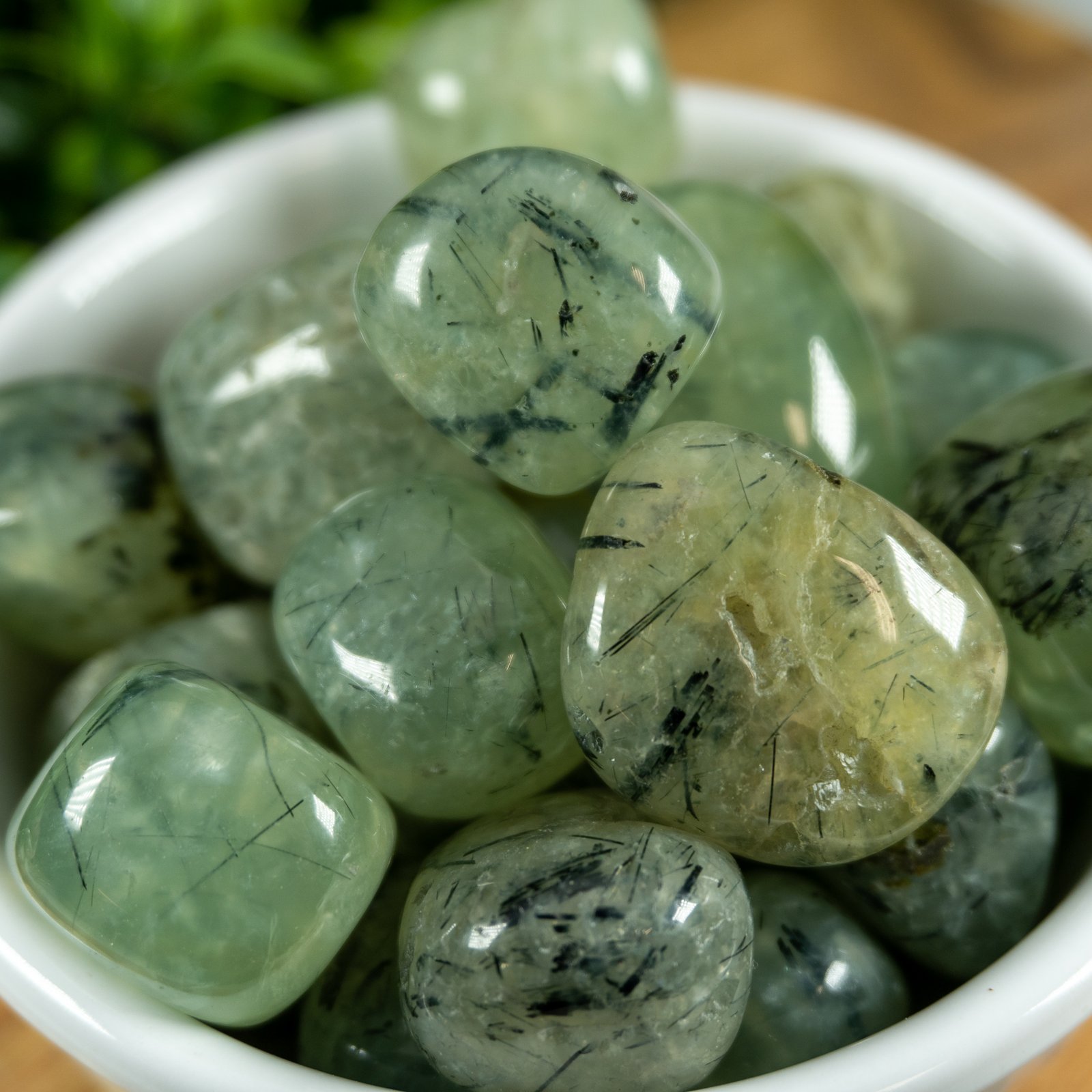
Prehnite is a beautiful and distinctive gemstone known for its soft green, yellow-green, and occasionally colorless appearance. Often recognized by its translucent glow and attractive natural formations, Prehnite has become popular among gemstone collectors, jewelry enthusiasts, mineral lovers, and people interested in the history and symbolism of natural stones.
Unlike many famous gemstones such as diamond, ruby, and emerald, Prehnite is not usually valued primarily for exceptional hardness or rarity. Instead, its appeal comes from its unusual colors, attractive crystal formations, natural inclusions, and peaceful appearance. Some specimens display fascinating grape-like or botryoidal shapes, while others occur as transparent or translucent crystals.
This comprehensive guide explains everything you need to know about Prehnite stone, including its history, geological formation, physical properties, colors, varieties, locations, uses, jewelry applications, care instructions, value, identification methods, and popular beliefs surrounding the stone.
What Is Prehnite Stone?
Prehnite is a calcium aluminum silicate mineral with the chemical formula Ca₂Al(AlSi₃O₁₀)(OH)₂. It commonly forms in cavities and fractures within volcanic rocks, particularly basalt. The mineral can develop attractive crystals, compact masses, and rounded botryoidal formations.
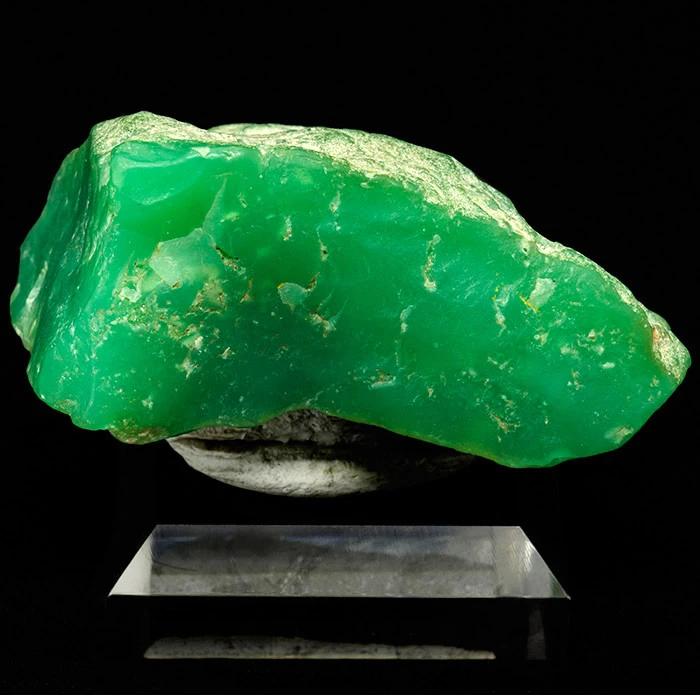
The most recognizable Prehnite is usually pale green to yellow-green. However, its appearance can vary depending on its geological environment and the presence of inclusions or other minerals.
Prehnite can be transparent, translucent, or opaque. High-quality translucent material may have a soft, glowing appearance that makes it especially attractive when polished or cut into cabochons.
The mineral was named after Colonel Hendrik von Prehn, an eighteenth-century Dutch military officer and mineral collector. Its name connects the gemstone to an interesting chapter in the history of mineral collecting and European exploration.
Prehnite Stone Meaning
Prehnite is often associated with peacefulness, clarity, patience, and emotional balance in crystal and gemstone traditions. Many people appreciate it because of its gentle green appearance, which is commonly connected symbolically with nature, growth, and tranquility.
It is important to distinguish traditional or spiritual beliefs from scientific evidence. Claims that Prehnite can heal illnesses, diagnose medical conditions, or produce measurable physical effects have not been scientifically established.
From a cultural and symbolic perspective, however, Prehnite has developed a reputation as a calming and visually soothing gemstone.
For collectors and jewelry lovers, its meaning can simply be connected with natural beauty, individuality, and appreciation for minerals formed deep within the Earth.
History of Prehnite
Prehnite has an interesting place in mineralogical history. It is generally regarded as the first mineral to be named after a person rather than a location.
The mineral was named in honor of Colonel Hendrik von Prehn, who served in the Dutch military and was associated with specimens from southern Africa.
The discovery and recognition of Prehnite helped contribute to the development of mineral classification during a period when European scientists and collectors were documenting minerals from different parts of the world.
Today, historical Prehnite specimens are of interest to mineral collectors because they represent both geological beauty and an important stage in the development of mineralogy.
Where Is Prehnite Found?
Prehnite occurs in a variety of geological environments, especially in volcanic rocks and hydrothermal settings. It commonly forms in cavities where mineral-rich fluids circulate through rocks.
Important sources and localities associated with Prehnite include:
- South Africa
- Australia
- India
- China
- United States
- Canada
- Scotland
- France
- Mali
- Germany
- Namibia
- Morocco
- Italy
The appearance and quality of Prehnite can vary considerably depending on the locality.
Some locations are known for attractive green crystals, while others produce botryoidal specimens or material containing interesting inclusions.
Prehnite Colors
Green is the most recognizable color of Prehnite, but the mineral can appear in several shades.
Pale Green Prehnite
Pale green Prehnite is one of the most common and popular varieties. Its soft color gives the stone a delicate and natural appearance.
Yellow-Green Prehnite
Some specimens have a stronger yellow or yellow-green tone. These pieces can be particularly attractive when polished.
Colorless Prehnite
Colorless Prehnite is less visually distinctive than green material but can still be valuable to mineral collectors.
White Prehnite
White or nearly white specimens may occur depending on their mineral composition and formation environment.
Grayish Prehnite
Certain specimens can display gray or muted tones, particularly when inclusions or other minerals affect their appearance.
Prehnite Crystal Formation
Prehnite usually forms in cavities and fractures in volcanic rocks. Mineral-rich fluids move through cracks and openings, depositing minerals as temperature, pressure, and chemical conditions change.
Prehnite may occur alongside minerals such as:
- Epidote
- Quartz
- Calcite
- Zeolite minerals
- Apophyllite
- Stilbite
- Laumontite
These mineral associations can create spectacular specimens.
In some locations, Prehnite develops rounded botryoidal formations that resemble clusters of small bubbles or grapes. These formations are among the most recognizable visual features of the mineral.
Prehnite Physical Properties
Understanding the physical properties of Prehnite is important for collectors and jewelry buyers.
| Property | Description |
|---|---|
| Mineral Group | Phyllosilicate-related mineral |
| Chemical Formula | Ca₂Al(AlSi₃O₁₀)(OH)₂ |
| Typical Color | Green, yellow-green, white, colorless |
| Luster | Vitreous to pearly |
| Transparency | Transparent to translucent |
| Mohs Hardness | Approximately 6–6.5 |
| Crystal System | Orthorhombic |
| Specific Gravity | Approximately 2.8–2.95 |
| Streak | White |
| Cleavage | Distinct to perfect in some directions |
| Fracture | Uneven to conchoidal |
These properties help gemologists and mineral collectors distinguish Prehnite from visually similar materials.
Prehnite Hardness
Prehnite has a Mohs hardness of approximately 6 to 6.5. This makes it moderately durable but not as hard as quartz, sapphire, ruby, or diamond.
Because of its moderate hardness, Prehnite jewelry should be handled with reasonable care.
It can be suitable for:
- Pendants
- Earrings
- Brooches
- Decorative pieces
- Collector jewelry
- Occasional rings
However, rings receive more impact and abrasion than pendants or earrings. A Prehnite ring should therefore be protected from activities that could scratch or damage the stone.
Prehnite Luster and Transparency
Prehnite commonly displays a vitreous to pearly luster. Some translucent specimens appear to glow softly when light passes through them.
This gentle optical appearance is one of the reasons collectors enjoy Prehnite.
A polished cabochon can show a smooth surface and attractive internal depth, especially when the stone contains natural inclusions.
Prehnite Crystal Shapes
Prehnite can occur in several forms.
Common forms include:
- Botryoidal masses
- Compact aggregates
- Tabular crystals
- Globular formations
- Veins
- Crystalline masses
Botryoidal Prehnite is particularly popular because its rounded formations can produce unusual natural textures.
Prehnite and Inclusions
One of the fascinating characteristics of Prehnite is its ability to contain attractive mineral inclusions.
Some specimens contain needle-like or fibrous inclusions of other minerals. These inclusions can create unusual patterns inside the stone.
Although inclusions are often considered imperfections in some gemstones, they can increase the visual interest and collector appeal of Prehnite.
Each specimen can therefore have a different internal appearance.
Prehnite Jewelry
Prehnite can be used in a variety of jewelry designs.
Popular options include:
- Prehnite necklaces
- Prehnite pendants
- Prehnite earrings
- Prehnite bracelets
- Prehnite rings
- Prehnite cabochons
- Prehnite gemstone beads
Because Prehnite has a relatively soft and peaceful color, it can work well with both modern and traditional jewelry styles.
Silver settings are especially popular because the cool appearance of silver can complement pale green Prehnite.
Gold settings can create a warmer contrast and give the stone a more luxurious appearance.
Prehnite Pendant
A Prehnite pendant is one of the practical ways to wear this gemstone.
Pendants are generally less exposed to hard impacts than rings, making them a good option for a moderately hard mineral.
Large Prehnite cabochons can also become attractive statement pieces because their translucent appearance allows light to interact with the stone.
Prehnite Ring
Prehnite rings can be beautiful, but they require more care than pendants.
Since Prehnite has a Mohs hardness around 6–6.5 and can be affected by impact, it is better suited to occasional or careful everyday wear rather than rough activities.
A protective setting can help reduce the risk of accidental damage.
Prehnite Earrings
Earrings are another excellent choice for Prehnite because they are less likely to encounter hard surfaces.
Small polished Prehnite stones can create elegant earrings, while larger cabochons can provide a more noticeable natural gemstone appearance.
Prehnite Bracelet
Prehnite beads are commonly used in bracelets.
However, bracelets can experience frequent contact with tables, doors, bags, and other objects. Wearing a Prehnite bracelet carefully can help preserve its polished surface.
Prehnite Cabochons
Cabochon cutting is particularly suitable for Prehnite.
A cabochon has a smooth, polished surface rather than traditional gemstone facets. This style allows the color, translucency, inclusions, and natural patterns of Prehnite to become the main visual features.
Many attractive Prehnite jewelry pieces use oval, round, pear, or freeform cabochons.
Prehnite Beads
Prehnite beads are popular among jewelry makers and gemstone collectors.
They can be used to create:
- Bracelets
- Necklaces
- Prayer beads
- Decorative strands
- Handmade jewelry
- Craft projects
Because natural Prehnite varies in color and transparency, bead strands can have a beautiful organic appearance.
Prehnite Metaphysical Properties
Prehnite is frequently discussed in crystal and spiritual communities. Traditional crystal practices often associate it with:
- Calmness
- Peace
- Emotional balance
- Patience
- Clarity
- Personal reflection
- Connection with nature
These are traditional or spiritual associations rather than scientifically proven medical effects.
People may choose Prehnite because they personally enjoy its symbolism or find its appearance relaxing.
Prehnite and Meditation
Some crystal enthusiasts use Prehnite during meditation or quiet reflection.
The stone’s soft green color is often viewed symbolically as representing nature and renewal.
If someone uses Prehnite during meditation, the practice can be understood as a personal mindfulness ritual rather than a medically proven treatment.
Meditation itself may be useful for relaxation, but there is no established scientific evidence that Prehnite itself produces specific medical effects.
Prehnite and Emotional Symbolism
Green gemstones are often associated culturally with growth, balance, and renewal.
Prehnite’s pale green color has therefore made it popular among people who want a gemstone representing peacefulness and fresh beginnings.
Many people choose gemstones based on personal meaning rather than scientific properties, and Prehnite works well as a symbolic gift for someone starting a new chapter.
Prehnite and Zodiac Associations
Some crystal traditions associate Prehnite with particular zodiac signs. These associations vary between sources and traditions.
Commonly suggested signs include:
- Libra
- Capricorn
- Aquarius
- Scorpio
There is no scientific evidence that gemstones have a measurable effect on zodiac signs or personality traits. Zodiac associations should therefore be viewed as cultural or spiritual traditions.
Prehnite Birthstone
Prehnite is not traditionally recognized as an official modern birthstone for a specific month.
However, some gemstone enthusiasts choose it as a personal or alternative birthstone based on color, symbolism, or individual preference.
Its soft green appearance makes it an appealing choice for people who want something less common than traditional birthstones.
Prehnite vs Jade
Prehnite and jade can sometimes appear similar because both may have green colors.
However, they are different minerals.
Jade commonly refers to jadeite or nephrite, while Prehnite is a calcium aluminum silicate mineral.
Important differences include:
- Different chemical compositions
- Different crystal structures
- Different hardness characteristics
- Different geological formation
- Different visual textures
A laboratory or experienced gemologist can provide reliable identification when the distinction is uncertain.
Prehnite vs Peridot
Prehnite and Peridot can both display green coloration, but their appearance is usually different.
Peridot often has a stronger yellow-green color and a more transparent gemstone appearance.
Prehnite commonly has a softer, pale green to yellow-green appearance and is frequently translucent.
Their chemical compositions and physical properties are also different.
Prehnite vs Green Quartz
Green quartz and Prehnite can sometimes be confused when viewed casually.
Green quartz is a variety of quartz affected by inclusions or other mineral processes, while Prehnite is a separate mineral species.
Testing hardness, optical properties, specific gravity, and crystal structure can help distinguish them.
How to Identify Real Prehnite
Identifying a gemstone only by color is unreliable.
For accurate identification, mineral collectors and gemologists may examine:
- Color
- Transparency
- Crystal habit
- Hardness
- Specific gravity
- Refractive properties
- Internal inclusions
- Geological associations
A professional gemological examination is the best choice when a specimen is expensive or its identity is uncertain.
Is Prehnite Rare?
Prehnite is not among the world’s rarest gemstones. It occurs in several regions and can be found in mineral collections and jewelry markets.
However, high-quality specimens with exceptional color, translucency, crystal form, or unusual inclusions can be more difficult to find.
Rarity depends heavily on the specific specimen rather than simply the mineral name.
What Makes Prehnite Valuable?
Several factors can influence the value of Prehnite.
Color
Attractive and consistent green coloration can increase desirability.
Transparency
Translucent material with good internal clarity can be especially attractive.
Crystal Formation
Well-formed crystals and unusual natural shapes may have strong collector appeal.
Inclusions
Interesting inclusions can make a specimen visually unique.
Size
Large, attractive specimens can be more valuable than small pieces, especially when quality is maintained.
Cut and Polish
For jewelry, good cutting and polishing can significantly improve appearance.
Origin
Certain localities have strong reputations among mineral collectors, which can influence demand.
Prehnite Price
The price of Prehnite varies widely.
Small commercial-grade stones can be relatively affordable, while large collector specimens or exceptional crystals can command significantly higher prices.
Price depends on:
- Quality
- Color
- Transparency
- Size
- Cut
- Polish
- Inclusions
- Crystal formation
- Origin
- Craftsmanship
- Seller reputation
There is no single universal price for all Prehnite.
When buying a valuable specimen, it is important to compare similar stones rather than assuming that every green Prehnite should have the same price.
Is Prehnite Good for Jewelry?
Prehnite can be a good jewelry gemstone when used appropriately.
Its moderate hardness means it is better suited to jewelry designs that reduce exposure to strong impact.
Good choices include:
- Pendants
- Earrings
- Brooches
- Occasional rings
- Decorative jewelry
Protective settings can help preserve the gemstone.
How to Clean Prehnite
Prehnite should be cleaned gently.
A safe basic method is:
- Use lukewarm water.
- Add a small amount of mild soap if necessary.
- Gently wipe the stone with a soft cloth.
- Rinse carefully.
- Dry completely with a soft cloth.
Avoid aggressive cleaning methods unless a professional has confirmed that they are appropriate for your specific specimen.
How to Store Prehnite
Proper storage can reduce scratches and accidental damage.
Store Prehnite:
- Separately from harder gemstones
- In a soft jewelry pouch
- In a lined jewelry box
- Away from rough surfaces
- Away from direct physical impact
Since quartz is harder than Prehnite, storing them together without protection can potentially cause scratches.
Can Prehnite Be Exposed to Chemicals?
It is generally wise to keep Prehnite away from harsh household chemicals.
Avoid unnecessary exposure to:
- Strong acids
- Strong cleaning agents
- Abrasive materials
- Harsh jewelry chemicals
If you are unsure about a particular cleaning product, use a gentle method instead.
Prehnite for Collectors
Prehnite is highly interesting for mineral collectors because it offers many different forms.
Collectors may seek:
- Well-formed crystals
- Botryoidal specimens
- Large clusters
- Translucent green pieces
- Specimens with unusual inclusions
- Prehnite associated with other minerals
- Historic locality specimens
A mineral collection containing Prehnite can therefore show considerable variety.
Prehnite Mineral Specimens
Natural Prehnite specimens can be displayed in homes, museums, classrooms, and private collections.
Large specimens can be particularly impressive because they show the natural geological structure of the mineral rather than simply a polished gemstone.
Collectors often appreciate specimens that preserve natural crystal formations.
Prehnite in Home Decor
Polished Prehnite and natural mineral specimens can also be used as decorative objects.
Possible applications include:
- Display stones
- Mineral shelves
- Office decorations
- Study collections
- Crystal displays
- Educational exhibits
Its soft green color can complement natural and minimalist interior designs.
Prehnite Geological Importance
Prehnite is more than a decorative stone. It is also useful to geologists because its presence can provide information about the conditions under which rocks formed or altered.
It commonly develops through low-temperature hydrothermal processes and can occur in altered volcanic rocks.
The mineral associations surrounding Prehnite can help researchers understand the history of geological environments.
Prehnite and Volcanic Rocks
Many Prehnite specimens are associated with basalt and other volcanic rocks.
After volcanic rocks cool, cracks and cavities can remain inside them. Mineral-rich fluids may later pass through these openings.
Over geological periods, minerals crystallize within these cavities.
This process can create beautiful mineral specimens containing several different minerals together.
Why Is Prehnite Green?
The green color of Prehnite is related to its chemical composition and trace elements or structural characteristics.
Color can vary depending on the geological environment and associated minerals.
Not every Prehnite specimen is strongly green, which is why mineral identification should never rely on color alone.
Famous Prehnite Localities
Different regions have produced notable Prehnite specimens.
South Africa is historically important for the mineral and is strongly associated with its early recognition.
Australia has also produced attractive specimens, including material appreciated by mineral collectors.
India is another important source of Prehnite, with specimens commonly found in volcanic environments.
Other countries have also produced collectible material with different crystal forms and appearances.
Prehnite from India
Indian Prehnite is particularly popular in the international gemstone and mineral market.
Many Indian specimens occur in volcanic rock environments and may show green translucent material or interesting natural formations.
India’s production of Prehnite has contributed to its availability for jewelry and mineral collecting.
Prehnite from Australia
Australian Prehnite specimens are also well known among collectors.
The country’s diverse geological environments have produced specimens with attractive colors, crystal formations, and mineral associations.
Australian specimens can be especially interesting for collectors who focus on locality-specific minerals.
Prehnite for Jewelry Designers
Jewelry designers appreciate Prehnite because it offers a natural color that is different from more common green gemstones.
Its gentle green tone can work with:
- Sterling silver
- White gold
- Yellow gold
- Rose gold
- Mixed-metal designs
- Handmade settings
Cabochons are particularly useful for designers because they emphasize the stone’s color and translucency.
How to Choose a Prehnite Stone
When purchasing Prehnite, consider several factors.
Choose Attractive Color
Look for a color that appeals to you personally. Green and yellow-green are among the most popular.
Examine Transparency
Translucent material can have an attractive glowing appearance.
Check for Damage
Inspect the stone for cracks, chips, or serious surface damage.
Look at the Cut
A well-polished cabochon should have a smooth surface and pleasing shape.
Ask About Treatment
If buying an expensive specimen, ask whether it has received any treatments.
Buy from a Reputable Seller
A trustworthy seller should provide accurate information about the mineral and its quality.
Natural Prehnite vs Synthetic Material
Natural Prehnite is a mineral formed through geological processes.
Synthetic or imitation materials may be manufactured to resemble its color or appearance.
Because gemstone markets can contain imitations, buyers should not rely solely on photographs or color.
For expensive purchases, professional identification can provide greater confidence.
Common Prehnite Shapes
Prehnite jewelry and cabochons can be found in many shapes.
Popular shapes include:
- Oval
- Round
- Pear
- Cushion
- Rectangle
- Freeform
- Teardrop
- Irregular natural shapes
Freeform pieces are particularly suitable for handmade jewelry because they preserve a more natural appearance.
Prehnite Bead Jewelry Designs
Prehnite beads can be combined with other gemstones to create unique jewelry.
Possible combinations include:
- Prehnite and Quartz
- Prehnite and Amethyst
- Prehnite and Moonstone
- Prehnite and Green Aventurine
- Prehnite and Labradorite
These combinations are primarily aesthetic choices and allow designers to experiment with color and texture.
Prehnite for Gifts
Prehnite can make an attractive gemstone gift for someone who enjoys:
- Natural minerals
- Gemstone jewelry
- Green stones
- Crystal collections
- Geological specimens
- Handmade jewelry
Because it is less common than famous gemstones, a Prehnite gift can feel distinctive and personal.
Benefits of Owning Prehnite
The benefits of owning Prehnite can be viewed from different perspectives.
For collectors, it provides geological and mineralogical interest.
For jewelry lovers, it offers a distinctive green appearance.
For designers, it provides a versatile natural material.
For students, it can be an excellent example of mineral formation.
For people interested in symbolism, it may represent calmness, nature, and renewal.
These benefits do not require supernatural claims; the stone’s natural beauty and geological history are enough to make it fascinating.
Prehnite for Students and Education
Prehnite can be useful in geology and mineralogy education.
Studying Prehnite can introduce students to concepts such as:
- Mineral identification
- Crystal systems
- Geological formation
- Volcanic rocks
- Hydrothermal processes
- Mineral associations
- Mohs hardness
- Mineral collecting
A physical Prehnite specimen can make geological concepts easier to visualize.
Prehnite in Mineral Collections
A good mineral collection does not need to contain only extremely rare or expensive specimens.
Prehnite can be a valuable addition because it demonstrates:
- Interesting crystal habits
- Attractive coloration
- Geological associations
- Different formation environments
- Natural mineral diversity
Collectors may choose specimens based on locality, formation, aesthetics, or scientific interest.
Prehnite Care Guide
To keep Prehnite looking attractive for years:
- Handle it carefully.
- Avoid strong impacts.
- Keep it away from harder gemstones.
- Clean it gently.
- Avoid harsh chemicals.
- Store it in a soft container.
- Remove jewelry before rough physical activities.
- Inspect settings periodically.
- Keep polished surfaces away from abrasive materials.
Good care can help maintain the stone’s natural appearance.
Frequently Asked Questions About Prehnite
What is Prehnite stone?
Prehnite is a calcium aluminum silicate mineral commonly found in volcanic rocks. It is best known for its green to yellow-green color and translucent appearance.
What color is Prehnite?
Prehnite is most commonly pale green or yellow-green, although white, colorless, and grayish specimens can also occur.
Is Prehnite a valuable gemstone?
Prehnite can have significant value depending on quality, size, color, transparency, crystal formation, and origin. Most commercial pieces are relatively affordable, while exceptional collector specimens can be much more valuable.
Is Prehnite rare?
Prehnite is not considered one of the world’s rarest minerals, but high-quality specimens with unusual formations or exceptional appearance can be collectible.
Is Prehnite good for jewelry?
Yes. Prehnite can be used for pendants, earrings, bracelets, rings, and other jewelry, although its moderate hardness means it should be protected from scratches and strong impacts.
Is Prehnite a birthstone?
Prehnite is not an official traditional birthstone, although some people use it as an alternative or personal gemstone.
Can Prehnite be green?
Yes. Green is the most recognized color of Prehnite, ranging from very pale green to stronger yellow-green shades.
How hard is Prehnite?
Prehnite has a Mohs hardness of approximately 6 to 6.5.
How should Prehnite be cleaned?
Use lukewarm water, mild soap when necessary, and a soft cloth. Avoid harsh chemicals and abrasive cleaning methods.
Where is Prehnite found?
Important occurrences are known from regions including South Africa, Australia, India, China, the United States, Canada, Scotland, France, and other countries.
Does Prehnite have spiritual meaning?
In crystal traditions, Prehnite is commonly associated with peace, calmness, clarity, and nature. These associations are cultural or spiritual beliefs and are not scientifically established medical effects.
Final Thoughts on Prehnite Stone
Prehnite is a fascinating gemstone and mineral that combines attractive color, unusual crystal formations, geological importance, and a long history of mineral collecting.
Its soft green appearance makes it especially appealing to people who enjoy natural gemstones that look different from traditional precious stones. Its botryoidal formations, translucent varieties, and mineral inclusions also make it an interesting choice for collectors.
Although Prehnite is not as hard as diamond, sapphire, or quartz, appropriate care allows it to be enjoyed in many forms of jewelry. Pendants, earrings, cabochons, bracelets, and carefully designed rings can all showcase its natural beauty.
For collectors, Prehnite offers even more possibilities. Natural crystals, botryoidal formations, large mineral clusters, and specimens containing other minerals can provide an excellent introduction to the diversity of geological materials.
Whether you are interested in Prehnite because of its green color, jewelry applications, geological history, collecting potential, or traditional symbolism, this mineral offers something unique.
Ultimately, the greatest appeal of Prehnite is its natural individuality. Every specimen can display different colors, patterns, formations, and inclusions, reminding us that gemstones are not simply decorative objects—they are records of the geological processes that shaped our planet over enormous periods of time.