Lepidolite Stone: Complete Guide to Meaning, Properties, Uses, Benefits, and Care
Introduction
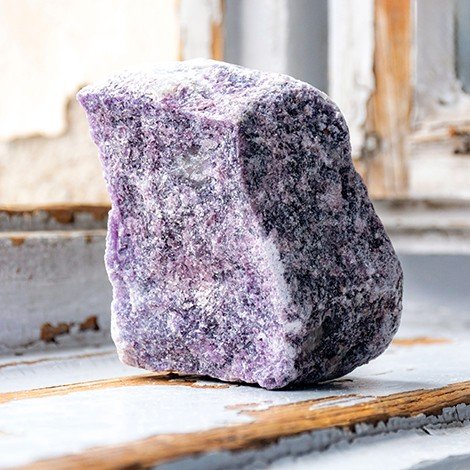
Lepidolite is a beautiful and distinctive mineral known for its soft purple, lilac, pink, lavender, gray, and sometimes white colors. It is particularly popular among mineral collectors, gemstone enthusiasts, jewelry lovers, and people interested in crystals. Its attractive appearance and unusual mineral composition make lepidolite an interesting stone to explore.
Unlike many traditional gemstones, lepidolite is primarily valued for its mineralogical characteristics, attractive color, sparkling appearance, and collector appeal. It is commonly associated with lithium-rich mica minerals and often occurs together with other minerals such as quartz, tourmaline, and feldspar.
The name lepidolite comes from a Greek word associated with scales, referring to the flaky, mica-like structure of the mineral. When viewed closely, many specimens display tiny reflective surfaces that can create a shimmering effect.
This comprehensive guide explains what lepidolite is, where it comes from, its physical and chemical properties, colors, meanings, uses, jewelry applications, benefits traditionally associated with crystals, care instructions, value factors, and how to identify genuine specimens.
Whether you are a beginner learning about minerals or an experienced collector looking for information about lepidolite, this guide provides a detailed overview of this fascinating stone.
What Is Lepidolite Stone?
Lepidolite is a lithium-rich mica mineral belonging to the mica group. It is usually recognized by its attractive purple to lilac coloration and its characteristic layered or flaky structure.
Because it is a mica mineral, lepidolite can separate along thin layers. This gives many specimens a distinctive texture and reflective surface. Some pieces may have a smooth polished appearance, while natural specimens can show rough, flaky, or crystalline textures.
Lepidolite is not usually considered a traditional precious gemstone like diamond, ruby, or sapphire. Instead, it is generally classified as a mineral and is appreciated for its beauty, geological interest, and use in decorative objects and certain types of jewelry.
Its purple and lavender colors are among its most recognizable characteristics. However, lepidolite can also occur in pink, gray, reddish-purple, and pale shades.
Lepidolite Stone Meaning
Lepidolite has developed several symbolic meanings in the world of crystal appreciation. It is commonly associated with calmness, balance, emotional reflection, and peaceful energy.
In crystal traditions, lepidolite is often described as a stone connected with relaxation and emotional balance. Some people keep it in bedrooms, meditation areas, or personal spaces because they associate its appearance and symbolism with tranquility.
It is important to distinguish traditional crystal beliefs from scientific evidence. There is no reliable scientific evidence that lepidolite crystals can treat diseases, change emotions through supernatural energy, or provide medical benefits.
Nevertheless, many people enjoy crystals as decorative objects, meditation aids, personal symbols, or reminders of positive intentions.
The History of Lepidolite
Lepidolite has been known for a long time because of its distinctive color and mica-like appearance. Mineral collectors have especially appreciated it because of its attractive purple shades and association with other interesting minerals.
Historically, lithium-bearing minerals became increasingly important as scientists learned more about lithium and its chemical properties. Lepidolite became one of the minerals associated with lithium-rich geological environments.
The scientific study of lepidolite has helped researchers understand pegmatites and other geological formations where unusual minerals can develop.
Today, lepidolite remains an important mineral for collectors and geological enthusiasts, while attractive specimens are also sold as decorative stones and polished pieces.
Lepidolite Stone Color
The most famous color of lepidolite is purple. However, the stone can display a wide range of shades.
Common colors include:
- Lavender
- Lilac
- Purple
- Pink
- Pale violet
- Gray
- White
- Reddish purple
- Purple-gray
The color can vary depending on mineral composition and the presence of other elements.
Some specimens have a uniform color, while others contain several shades within the same piece. Natural patterns, mica flakes, and associated minerals can make individual specimens visually unique.
Why Is Lepidolite Purple?
The characteristic purple coloration of lepidolite is related to its mineral composition and the presence of manganese and other chemical components.
The exact appearance can vary significantly from specimen to specimen. Some pieces are strongly purple, while others appear almost gray or pink.
Lighting can also influence how the stone looks. Under bright light, tiny mica surfaces may reflect light and produce a sparkling appearance.
Lepidolite Chemical Composition
Lepidolite belongs to a complex group of lithium-rich mica minerals. Its chemical composition can vary because natural mineral specimens often contain different proportions of elements.
Lithium is one of the important elements associated with lepidolite. Potassium, aluminum, silicon, fluorine, and other elements can also occur within its structure.
Because mineral compositions can vary, professional identification may require laboratory testing rather than relying only on color or appearance.
Lepidolite Hardness
Lepidolite is relatively soft compared with many popular gemstones.
It typically falls around 2.5 to 3 on the Mohs hardness scale, although exact values can vary depending on the specimen and mineral characteristics.
This softness is important when considering lepidolite for jewelry. It can scratch more easily than harder gemstones such as quartz, sapphire, or diamond.
For this reason, lepidolite jewelry should be handled carefully and protected from rough surfaces.
Lepidolite Crystal Structure
Lepidolite has a layered crystal structure characteristic of mica minerals. This structure is responsible for one of its most noticeable physical characteristics: cleavage.
Mica minerals can separate into thin sheets or layers. When lepidolite is broken or handled roughly, its layered structure may become visible.
This is one reason natural lepidolite specimens can look flaky or sparkly.
Lepidolite Luster
Lepidolite can display a pearly, vitreous, or somewhat shiny appearance depending on the specimen and surface.
The thin mica layers can reflect light, creating a sparkling or shimmering effect. Polished specimens may have a smoother appearance, while natural pieces often reveal their layered structure.
This combination of color and luster is one of the reasons lepidolite is popular among mineral collectors.
Where Is Lepidolite Found?
Lepidolite is typically associated with lithium-rich pegmatites and similar geological environments.
Important occurrences have been reported in several countries and regions, including:
- Brazil
- United States
- Madagascar
- Zimbabwe
- Afghanistan
- Canada
- Russia
- Czech Republic
- Other regions with lithium-rich pegmatite formations
Brazil is especially well known for producing attractive mineral specimens, including lepidolite associated with quartz and other pegmatite minerals.
The quality, color, crystal formation, and size of specimens can vary significantly depending on their geological origin.
Lepidolite and Pegmatites
Pegmatites are extremely coarse-grained igneous rocks that can contain large and unusual mineral crystals.
They are important sources of many collectible minerals and gemstones.
Lepidolite is strongly associated with lithium-rich pegmatites. These geological environments can also contain minerals such as tourmaline, beryl, feldspar, quartz, and other uncommon minerals.
For mineral collectors, a lepidolite specimen containing attractive associated minerals can be especially interesting.
Lepidolite and Lithium
One of the scientifically important characteristics of lepidolite is its association with lithium.
Lithium is a chemical element used in many modern technologies and industrial applications. Lithium-bearing minerals have therefore attracted considerable geological and economic interest.
However, owning or handling a lepidolite specimen is not the same as extracting lithium from it. Commercial lithium production requires specialized mining, processing, and chemical techniques.
Lepidolite should primarily be appreciated as a mineral specimen unless it is being handled in an appropriate professional or industrial setting.
Lepidolite Crystal Benefits: Traditional Beliefs
Lepidolite is often described in crystal communities as a calming and balancing stone.
Traditional crystal practices commonly associate it with:
- Calmness
- Emotional balance
- Relaxation
- Peaceful reflection
- Mindfulness
- Personal growth
- Positive intentions
- Meditation
These associations are cultural and spiritual rather than scientifically established medical effects.
If someone enjoys lepidolite, it can be used as a decorative object or as a personal reminder to slow down, reflect, and practice healthy relaxation habits.
It should not be used as a replacement for professional medical or mental-health care.
Lepidolite and Meditation
Many crystal enthusiasts use lepidolite during meditation.
Its gentle purple color can provide a visually calming focal point. Some people place a polished stone nearby while practicing breathing exercises or mindfulness.
A simple meditation routine can involve sitting comfortably, breathing slowly, and focusing attention on the present moment.
The value of the practice comes from the meditation and relaxation activity itself rather than from scientifically proven supernatural properties of the stone.
Lepidolite and Emotional Balance
In traditional crystal symbolism, lepidolite is often connected with emotional balance.
People may use it as a symbolic reminder to pause before reacting, think clearly, and make time for relaxation.
For example, someone might keep a small lepidolite specimen on a desk as a reminder to take regular breaks during study or work.
This symbolic use can be meaningful without requiring claims that the mineral directly changes a person’s emotional state.
Lepidolite for Home Decoration
Lepidolite is an attractive decorative mineral.
Polished pieces can be displayed on:
- Shelves
- Desks
- Display cabinets
- Bookshelves
- Study spaces
- Mineral collections
- Decorative trays
Large natural specimens can become striking conversation pieces because of their purple color and sparkling mica texture.
Lepidolite in Jewelry
Lepidolite can be used in certain types of jewelry, especially pieces designed for gentle everyday wear.
Common examples include:
- Pendants
- Earrings
- Beads
- Cabochons
- Bracelets
- Decorative jewelry pieces
However, its relatively low hardness means it is more vulnerable to scratching and damage than harder gemstones.
Rings can be particularly risky because they are frequently exposed to impacts and contact with hard surfaces.
For this reason, lepidolite may be better suited to jewelry designs where the stone receives some protection.
Lepidolite Beads
Lepidolite beads can display attractive purple and pink colors.
They may be used in:
- Bracelets
- Necklaces
- Craft projects
- Decorative accessories
- Collector pieces
Because lepidolite can be fragile, beads should be handled carefully and stored separately from harder stones.
Lepidolite Pendant
A pendant can be a practical way to enjoy lepidolite because the stone is less likely to experience the repeated impacts that can occur with rings.
Polished lepidolite pendants often highlight the mineral’s purple coloration and natural patterns.
Protective settings can help reduce the chance of damage.
Lepidolite Ring
Although lepidolite rings exist, they require careful handling.
The stone’s relatively low hardness makes it susceptible to scratches. Its layered mica structure can also make it less suitable for rough everyday use.
If used in a ring, lepidolite is best treated as a special-occasion or carefully worn decorative gemstone rather than a rugged everyday stone.
Lepidolite Earrings
Earrings can be a suitable jewelry option for lepidolite because they generally experience less direct impact than rings.
Purple lepidolite beads or polished pieces can create an attractive and distinctive appearance.
Lepidolite Value
The value of lepidolite depends on several factors.
Important factors include:
- Color
- Size
- Crystal quality
- Mineral associations
- Transparency or appearance
- Surface condition
- Origin
- Rarity
- Craftsmanship
- Overall aesthetic appeal
Unlike diamonds, lepidolite does not have a universally standardized grading system used for every specimen.
Collectors may value an unusual or exceptionally attractive specimen more highly than an ordinary piece.
What Makes Lepidolite Valuable?
Strong purple color can make a specimen visually attractive.
Large crystals, interesting formations, excellent mica texture, and combinations with minerals such as quartz or tourmaline may increase collector interest.
A specimen with a documented geological locality can also be more desirable to serious mineral collectors.
In many cases, the beauty and uniqueness of the specimen matter more than a simple weight-based price.
Lepidolite vs Amethyst
Lepidolite and amethyst can both appear purple, but they are very different minerals.
Amethyst is a purple variety of quartz, while lepidolite is a lithium-rich mica mineral.
Major differences include:
| Feature | Lepidolite | Amethyst |
|---|---|---|
| Mineral group | Mica | Quartz |
| Typical color | Lavender, lilac, purple | Purple |
| Hardness | About 2.5–3 | 7 |
| Structure | Layered mica | Quartz crystal |
| Main appeal | Color and mica texture | Color and crystal form |
Because amethyst is much harder, it is generally more suitable for everyday jewelry.
Lepidolite vs Rose Quartz
Rose quartz is another pink-to-purple-associated mineral that may sometimes be compared with lepidolite.
Rose quartz is a quartz variety and is significantly harder than lepidolite.
Lepidolite tends to have a more flaky or sparkling mica appearance, while rose quartz usually has a softer, more massive appearance.
Lepidolite vs Purple Fluorite
Purple fluorite can also resemble lepidolite because both may have attractive purple colors.
Fluorite is considerably harder than lepidolite, with a Mohs hardness of about 4.
The crystal structure and cleavage characteristics are also different.
Experienced collectors can often distinguish them by examining crystal form, texture, hardness, and associated minerals.
How to Identify Lepidolite
Several characteristics can help identify lepidolite.
Look for:
- Purple, lavender, pink, or gray coloration
- Flaky mica-like texture
- Sparkling reflective surfaces
- Layered cleavage
- Association with pegmatite minerals
- Relatively low hardness
However, visual identification is not always enough.
If a specimen is expensive or scientifically important, professional mineral identification is recommended.
Is Lepidolite Rare?
Lepidolite is not among the rarest minerals in existence, but attractive high-quality specimens can be collectible.
Common pieces may be relatively affordable, while exceptional specimens with large crystals, strong color, unusual formations, or famous localities can be much more desirable.
The term “rare” should therefore be considered in context. Ordinary lepidolite may be easy to find in mineral markets, while exceptional specimens can be much harder to obtain.
Natural Lepidolite vs Treated Material
Natural lepidolite specimens generally display natural variations in color, texture, and mineral composition.
Some commercial stones may be polished, shaped, or otherwise processed to improve their appearance.
Processing does not necessarily make a mineral fake. Cutting and polishing are common practices in the gemstone and mineral industry.
However, buyers should ask sellers whether a specimen is natural, treated, dyed, assembled, or otherwise modified when authenticity matters.
How to Buy Lepidolite Stone
When buying lepidolite, consider the following factors.
1. Check the Color
Look for attractive and natural-looking purple, lavender, pink, or gray tones.
2. Examine the Texture
Natural lepidolite often has a mica-like layered or sparkling appearance.
3. Check for Damage
Look for cracks, broken edges, chips, or loose flakes.
4. Ask About Origin
If locality is important to you, ask where the specimen was collected.
5. Consider the Intended Use
A fragile natural specimen and a polished pendant may require different quality standards.
6. Choose a Reputable Seller
A knowledgeable mineral dealer should be able to provide basic information about the specimen.
How to Clean Lepidolite
Lepidolite should be cleaned gently because of its softness and layered structure.
A safe approach is to use:
- A soft dry cloth
- Gentle brushing
- Minimal moisture when appropriate
Avoid aggressive scrubbing.
Avoid harsh chemicals, abrasive cleaners, and rough cleaning tools.
If you have an important collector specimen, ask a professional mineral dealer or conservator about the safest cleaning method.
How to Store Lepidolite
Proper storage can help prevent scratches and damage.
Keep lepidolite:
- Away from harder gemstones
- In a soft pouch
- In a padded mineral box
- Away from unnecessary impacts
- In a dry, stable environment
If you have several minerals, store softer specimens separately from harder stones.
For example, quartz can scratch lepidolite if the two pieces are stored together without protection.
Can Lepidolite Go in Water?
Because lepidolite is relatively soft and has a layered structure, prolonged or unnecessary exposure to water is best avoided.
For routine cleaning, a gentle dry method is preferable.
Many online crystal traditions recommend putting stones in water for “cleansing,” but there is no scientific evidence that water removes supernatural energy from crystals.
From a practical mineral-care perspective, minimizing unnecessary moisture is a sensible approach.
Lepidolite and Sunlight
Long exposure to intense sunlight may not be ideal for some mineral specimens, particularly if color stability is a concern.
To preserve the appearance of a valuable specimen, avoid leaving it in strong direct sunlight for extended periods.
A display cabinet away from intense sunlight is a better choice.
Lepidolite Crystal Care Tips
Here are some simple care tips:
- Handle the stone gently.
- Keep it away from harder gemstones.
- Avoid dropping it.
- Do not use abrasive cleaners.
- Avoid harsh chemicals.
- Store it in a soft container.
- Keep fragile specimens protected.
- Limit unnecessary exposure to water.
- Keep valuable specimens away from direct sunlight for long periods.
Lepidolite for Mineral Collectors
Lepidolite is an interesting addition to a mineral collection because it represents the lithium-rich pegmatite environment.
Collectors may enjoy specimens with:
- Large mica plates
- Strong purple coloration
- Quartz associations
- Tourmaline associations
- Interesting crystal formations
- Documented localities
A well-labeled specimen can become much more educational than an unidentified piece.
Consider recording the mineral name, locality, date acquired, seller information, and any available geological information.
Lepidolite and Quartz
Lepidolite frequently occurs with quartz in mineral-rich environments.
The contrast between purple lepidolite and clear, white, or smoky quartz can create highly attractive specimens.
Collectors often appreciate combinations because they provide more geological information and visual interest than isolated pieces.
Lepidolite and Tourmaline
Lepidolite can also occur alongside tourmaline.
Tourmaline crystals embedded in or surrounded by lepidolite can create spectacular mineral specimens.
This association is especially interesting for collectors who enjoy pegmatite minerals.
Lepidolite Geological Importance
Lepidolite provides useful information about the geological conditions under which lithium-rich minerals form.
Its presence can help geologists understand the mineralogical composition of certain pegmatite systems.
Lithium-bearing pegmatites are scientifically important because they may contain a variety of rare or economically significant minerals.
Common Uses of Lepidolite
Lepidolite has several uses and areas of interest.
These include:
Mineral Collections
It is widely collected as a mineral specimen.
Decorative Objects
Polished pieces can be used as decorative stones.
Jewelry
It can be fashioned into beads, pendants, cabochons, and other jewelry components.
Educational Samples
Schools and museums may use mineral specimens to teach geology and mineral identification.
Crystal Practices
Some people use lepidolite as part of personal meditation or symbolic crystal practices.
Is Lepidolite a Birthstone?
Lepidolite is not one of the officially recognized traditional birthstones used for most modern birthstone calendars.
However, some crystal enthusiasts may associate it with particular zodiac signs, months, or spiritual traditions.
These associations vary by source and are not standardized scientific classifications.
Lepidolite Zodiac Associations
Various crystal traditions associate lepidolite with different zodiac signs.
However, there is no scientific evidence that a person’s zodiac sign determines which mineral is beneficial or compatible with them.
If you enjoy zodiac symbolism, you can choose lepidolite based on its color and personal meaning rather than treating such associations as scientific facts.
Lepidolite Chakra Associations
In crystal traditions, lepidolite is often associated with the upper chakras, particularly the heart, third-eye, and crown chakras depending on the tradition.
Chakras are part of traditional spiritual systems and are not recognized by modern medicine as anatomical structures.
Using lepidolite as a symbolic meditation object can be personally meaningful, but it should not replace professional healthcare.
Lepidolite Spiritual Meaning
Lepidolite is often described spiritually as a stone of peace, reflection, transition, and emotional balance.
Its soft purple color contributes strongly to these symbolic interpretations.
People may use it during meditation, journaling, or quiet reflection.
The meaning of a crystal is ultimately personal and can vary from one individual to another.
Lepidolite for Mindfulness
A mineral can serve as a simple mindfulness reminder.
For example, you might keep a small lepidolite stone on your desk and use it as a visual cue to take a short break, breathe slowly, and return attention to the present task.
The stone itself does not need to have supernatural powers for this habit to be useful.
Interesting Facts About Lepidolite
Here are several interesting facts about lepidolite:
- Lepidolite belongs to the mica mineral group.
- It is associated with lithium-rich geological environments.
- Purple and lavender are common colors.
- It can also occur in pink, gray, and white shades.
- Its name is connected to a Greek term referring to scales.
- Its mica structure contributes to its flaky appearance.
- It is relatively soft.
- It is commonly associated with pegmatites.
- Quartz and tourmaline can occur with lepidolite.
- Brazil is an important source of attractive mineral specimens.
- It is popular among mineral collectors.
- It can be polished for decorative use.
- It can be used in selected types of jewelry.
- Its color and sparkle make it easy to recognize in many specimens.
- Its lithium association gives it scientific and geological importance.
Frequently Asked Questions About Lepidolite
What is lepidolite stone?
Lepidolite is a lithium-rich mica mineral commonly found in purple, lavender, pink, and gray colors. It is popular as a mineral specimen and decorative stone.
What is lepidolite used for?
Lepidolite is used mainly for mineral collecting, decoration, educational purposes, selected jewelry, and crystal practices.
Is lepidolite a gemstone?
Lepidolite can be cut and polished for decorative and jewelry purposes, but it is primarily known as a mineral rather than a traditional precious gemstone.
What color is lepidolite?
Lepidolite is commonly purple, lavender, lilac, pink, or gray. Some specimens may contain multiple colors.
Is lepidolite rare?
Ordinary lepidolite is not extremely rare, but attractive specimens with strong color, unusual crystals, or desirable localities can be collectible.
Is lepidolite valuable?
Its value depends on color, size, crystal quality, locality, mineral associations, condition, and overall appearance.
Is lepidolite good for jewelry?
It can be used in jewelry, particularly pendants and earrings, but its low hardness means it requires more care than harder gemstones.
Can lepidolite be scratched?
Yes. Because it is relatively soft, lepidolite can be scratched by harder minerals and gemstones.
How should lepidolite be cleaned?
Gentle cleaning with a soft cloth or soft brush is generally preferable. Avoid abrasive materials and harsh chemicals.
Can lepidolite go in water?
It is better to avoid prolonged or unnecessary exposure to water because of its softness and layered structure.
Where is lepidolite found?
Lepidolite occurs in lithium-rich pegmatites in several parts of the world, including Brazil, the United States, Madagascar, Zimbabwe, Afghanistan, and other regions.
What is lepidolite associated with?
In crystal traditions, lepidolite is associated with calmness, balance, meditation, and peaceful reflection. These are traditional beliefs rather than scientifically established effects.
Lepidolite Buying Guide for Beginners
If you are purchasing your first lepidolite specimen, start with appearance and authenticity.
Choose a specimen that has a color and texture you genuinely enjoy. Natural variations are part of the appeal of mineral collecting.
If possible, purchase from a seller who provides information about the mineral’s locality and type.
For a beginner collection, you do not necessarily need an expensive specimen. A small, attractive, well-labeled piece can provide both educational and decorative value.
How to Display Lepidolite
Lepidolite can be displayed in several ways.
A small polished stone can be placed on a desk, while a larger natural specimen can be displayed in a mineral cabinet.
If your specimen has delicate flakes or crystals, use a stable display stand and avoid placing it somewhere where it could easily fall.
Good lighting can also highlight the reflective mica surfaces.
Lepidolite in Modern Mineral Collecting
Modern mineral collecting has increased awareness of unusual minerals like lepidolite.
Online mineral marketplaces, geological shows, museums, educational websites, and collector communities make it easier for people to learn about different mineral species.
Lepidolite remains popular because it combines attractive color with an interesting geological story.
Its association with lithium-rich pegmatites also gives it significance beyond appearance.
Why People Love Lepidolite
There are several reasons people are attracted to lepidolite.
Its purple color is visually appealing, while its mica texture gives specimens a unique sparkle.
Unlike common decorative stones, each natural specimen can have different patterns, textures, and mineral associations.
Collectors may also appreciate the scientific story behind its formation.
For people interested in crystals, its traditional association with calmness and reflection can add another layer of personal meaning.
Lepidolite Stone Pros and Cons
Advantages
- Beautiful purple and lavender colors
- Interesting mica structure
- Popular with mineral collectors
- Associated with lithium-rich pegmatites
- Available in natural and polished forms
- Can be used for decorative purposes
- Can be incorporated into selected jewelry designs
Disadvantages
- Relatively soft
- Can scratch easily
- Can be fragile
- Not ideal for rough everyday jewelry use
- Requires careful storage
- Crystal-healing claims are not scientifically proven
Lepidolite Stone: Final Thoughts
Lepidolite is a fascinating mineral that combines attractive purple coloration, a distinctive mica structure, and important geological characteristics.
Its lavender and lilac shades make it visually appealing, while its association with lithium-rich pegmatites makes it scientifically interesting. Mineral collectors often appreciate specimens containing lepidolite alongside quartz, tourmaline, and other pegmatite minerals.
Although lepidolite is sometimes promoted in crystal traditions as a stone of calmness, emotional balance, and spiritual reflection, these claims should be understood as traditional or symbolic beliefs rather than proven medical effects.
From a practical perspective, lepidolite is best appreciated as a beautiful and relatively delicate mineral. Because it is soft, it should be protected from scratches, impacts, harsh chemicals, and unnecessary moisture.
Whether you are interested in geology, mineral collecting, jewelry, home decoration, or the cultural symbolism of crystals, lepidolite offers plenty to explore.
Its distinctive purple color, sparkling mica texture, lithium association, and variety of natural forms make it a memorable addition to any mineral collection.
SEO Keywords for Lepidolite Stone
Primary Keyword: Lepidolite Stone
Secondary Keywords:
- Lepidolite stone meaning
- Lepidolite properties
- Lepidolite crystal
- Lepidolite benefits
- Lepidolite uses
- Purple lepidolite stone
- Lavender lepidolite
- Lepidolite gemstone
- Lepidolite jewelry
- Lepidolite crystal meaning
- Lepidolite healing properties
- Lepidolite mineral
- Lepidolite value
- Lepidolite stone benefits
- Natural lepidolite
- Lepidolite care
- Lepidolite meaning
- Where is lepidolite found
- Lepidolite color
- Lepidolite hardness
Suggested SEO Title
Lepidolite Stone: Meaning, Properties, Benefits, Uses, Value & Care
Suggested Meta Description
Discover lepidolite stone, including its meaning, colors, properties, uses, value, geological origins, jewelry applications, care tips, and traditional crystal associations.
Suggested URL Slug
/lepidolite-stone/
Conclusion
Lepidolite stands out among minerals because of its beautiful purple and lavender colors, distinctive mica structure, and connection to lithium-rich geological environments. It is a fascinating stone for collectors, jewelry enthusiasts, geology students, and anyone interested in natural minerals.
With proper care, a lepidolite specimen can remain an attractive part of a mineral collection for many years. Whether displayed naturally, polished for decoration, or incorporated into carefully designed jewelry, lepidolite offers a unique combination of beauty and geological interest.
For anyone searching for a distinctive purple mineral with an unusual structure and an interesting geological background, lepidolite is certainly a stone worth learning about.