Pearl Stone: Complete Guide to History, Meaning, Types, Benefits, Value, and Care
Introduction to Pearl Stone
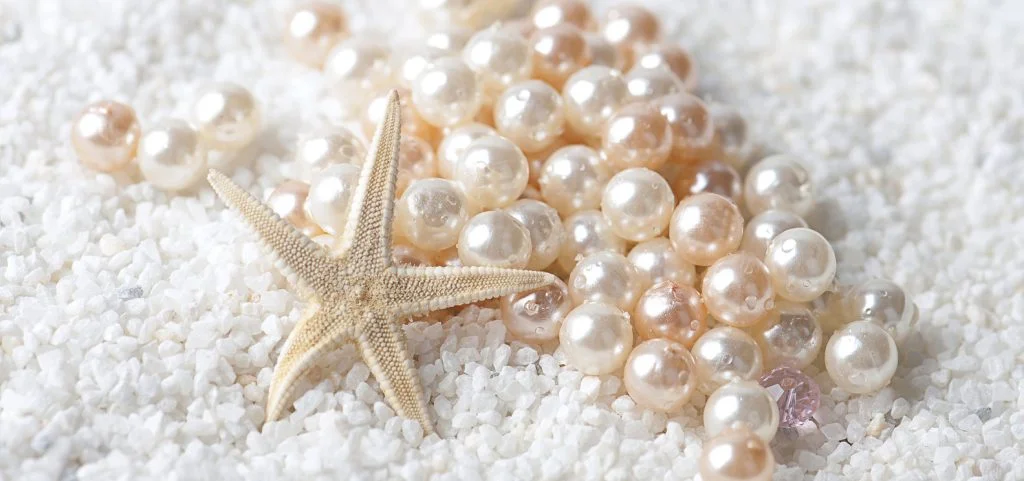
Pearl is one of the most beautiful and fascinating gemstones in the world. Unlike most gemstones, which are formed deep inside the earth, pearls are created by living organisms such as oysters and other mollusks. Their natural luster, smooth surface, elegant colors, and timeless appearance have made pearls highly desirable for thousands of years.
Known for their soft glow and sophisticated beauty, pearls have been used in jewelry, royal collections, cultural traditions, and fashion for centuries. From classic white pearls to black Tahitian pearls, golden South Sea pearls, and colorful freshwater pearls, this gemstone is available in a remarkable variety of shapes, sizes, and colors.
Pearls are often associated with elegance, purity, wisdom, beauty, and sophistication. They are especially popular in necklaces, earrings, bracelets, rings, pendants, brooches, and other decorative jewelry.
This comprehensive guide explores everything you need to know about Pearl Stone, including its history, formation, types, colors, physical properties, meaning, value, jewelry uses, benefits, buying tips, care instructions, and frequently asked questions.
What Is Pearl Stone?
Pearl is an organic gemstone produced inside certain mollusks. When an irritant or foreign material enters a mollusk, the animal may protect itself by depositing layers of a substance called nacre around the irritant. Over time, these layers build up and can form a pearl.
The beautiful surface of a pearl comes primarily from its nacre layers. Light interacts with these microscopic layers, producing the characteristic soft glow known as pearl luster.
Unlike minerals such as sapphire, ruby, emerald, and diamond, pearl is not a mineral gemstone. It is an organic gemstone because it originates from a living organism.
Pearls can be natural or cultured. Natural pearls form without deliberate human intervention, while cultured pearls are produced with human assistance under controlled conditions. Today, most pearls available in jewelry markets are cultured pearls.
Pearl Stone Meaning
Pearls have carried symbolic meanings across many civilizations. Their smooth appearance and luminous surface have often been associated with purity, calmness, wisdom, elegance, and refinement.
The meaning of pearls can vary between cultures and traditions. Some people associate pearls with peacefulness and emotional balance, while others consider them symbols of beauty, maturity, loyalty, and new beginnings.
Because of their classic appearance, pearls are also frequently connected with important life events such as weddings, anniversaries, graduations, and celebrations.
It is important to distinguish traditional gemstone beliefs from scientific evidence. Claims that pearls have supernatural or medical powers are cultural or spiritual beliefs rather than scientifically established facts.
History of Pearls
Pearls have an extraordinarily long history. Ancient civilizations valued them as rare and beautiful treasures long before modern pearl farming existed.
Pearls were known in parts of Asia, the Middle East, and other regions thousands of years ago. Historical evidence suggests that natural pearls were collected from seas, rivers, and lakes in several ancient cultures.
In ancient societies, pearls were often associated with wealth and social status because naturally occurring high-quality pearls were difficult to find. Their rarity made them valuable possessions for rulers, aristocrats, and wealthy families.
Over time, pearls became part of royal jewelry, ceremonial clothing, religious objects, and luxury decorations.
Pearls in Ancient Cultures
Pearls have appeared in the history of numerous civilizations.
In ancient China, pearls were highly respected and were associated with royalty and prestige. Pearls appeared in decorative objects and traditional art.
In ancient Rome, pearls became powerful symbols of wealth and status. Wealthy Roman women used pearls in elaborate jewelry and clothing.
In parts of the Middle East and South Asia, pearl diving became an important traditional industry. Divers searched coastal waters for oysters that could contain natural pearls.
Pearls were also valued in Europe, where they became prominent in royal jewelry and aristocratic fashion.
How Are Pearls Formed?
The formation of a pearl is a fascinating natural process.
A pearl develops inside a mollusk when layers of nacre accumulate around a foreign object or tissue. Nacre is primarily composed of calcium carbonate in the form of microscopic crystals, along with organic materials.
In natural pearl formation, the process occurs without humans intentionally introducing a nucleus or tissue.
In cultured pearl production, pearl farmers carefully introduce a nucleus or tissue into the mollusk. The animal then deposits nacre around the implanted material.
As the layers accumulate over time, the developing pearl gradually becomes larger and more lustrous.
The thickness and quality of nacre can strongly influence the appearance and durability of a pearl.
Natural Pearls vs Cultured Pearls
One of the most important distinctions when buying pearls is understanding the difference between natural and cultured pearls.
Natural Pearls
Natural pearls form without human intervention. They are extremely rare, especially in attractive jewelry-quality sizes and shapes.
Because of their rarity, fine natural pearls can be extremely valuable.
Cultured Pearls
Cultured pearls are produced with human assistance. Farmers introduce a nucleus or tissue into a mollusk and then allow the animal to produce nacre around it.
Cultured pearls are genuine pearls. The main difference is that their formation is assisted by humans.
Most modern pearl jewelry uses cultured pearls because they are more widely available and generally more affordable than natural pearls.
Major Types of Pearls
There are several major types of cultured pearls, each with distinctive characteristics.
1. Akoya Pearls
Akoya pearls are famous for their classic round shapes and bright luster. They are traditionally associated with Japan and are also cultured in other regions.
Akoya pearls are commonly white or cream and may display pink, silver, or green overtones.
They are especially popular for classic pearl necklaces and earrings.
2. South Sea Pearls
South Sea pearls are among the largest and most prestigious cultured pearls. They are primarily produced in regions such as Australia, Indonesia, and the Philippines.
They can appear white, silver, cream, or golden.
Golden South Sea pearls are particularly popular because of their warm and luxurious appearance.
3. Tahitian Pearls
Tahitian pearls are famous for their naturally dark colors. They are commonly associated with French Polynesia.
Their colors can include gray, green, blue, silver, and dark tones with attractive overtones.
Although they are often called “black pearls,” many Tahitian pearls are not completely black. Their surfaces can display fascinating shades and reflections.
4. Freshwater Pearls
Freshwater pearls are primarily cultivated in freshwater mussels. They are produced extensively in China and other regions.
Freshwater pearls come in many shapes, including round, oval, button, baroque, and irregular forms.
They can also be available in white, pink, peach, lavender, and other colors.
Because freshwater mussels can sometimes produce multiple pearls, freshwater pearl jewelry can be relatively accessible compared with some other pearl varieties.
Pearl Colors
Pearls are available in a wide range of colors.
White Pearls
White pearls are perhaps the most recognizable type. They are popular for traditional necklaces, bridal jewelry, earrings, and formal occasions.
Cream Pearls
Cream pearls have a warm ivory or creamy appearance. They can create a softer alternative to bright white pearls.
Golden Pearls
Golden pearls are especially associated with South Sea pearls. Their warm golden colors can range from pale champagne to deeper yellow-gold tones.
Black Pearls
Black pearls are strongly associated with Tahitian pearls. Their colors can include dark gray, green, blue, silver, and other overtones.
Pink Pearls
Pink pearls can range from very subtle blush shades to stronger pink tones. They are popular in romantic and feminine jewelry designs.
Peach Pearls
Peach-colored pearls are particularly common among freshwater pearls and are appreciated for their warm, gentle appearance.
Lavender Pearls
Lavender pearls provide a distinctive alternative to traditional white pearls. They are especially popular in freshwater pearl jewelry.
Pearl Luster
Luster is one of the most important quality characteristics of a pearl.
Luster refers to the way light reflects from the pearl’s surface and interacts with its nacre layers.
A pearl with excellent luster can appear bright, reflective, and almost glowing. A pearl with poor luster may appear dull or chalky.
When evaluating pearls, luster is often considered more important than simply choosing the largest size.
Pearl Shape
Pearls occur in many different shapes.
Round Pearls
Round pearls are among the most popular and traditionally valued shapes. They are especially desirable for classic necklaces and earrings.
Near-Round Pearls
These pearls are slightly imperfectly round but still have a balanced appearance.
Oval Pearls
Oval pearls are elongated and can create attractive designs in pendants and earrings.
Button Pearls
Button pearls are flattened on one side. They can work well in earrings and other jewelry designs.
Baroque Pearls
Baroque pearls have irregular and unique shapes. No two may look exactly the same.
Their individuality has made them increasingly popular in contemporary jewelry.
Pearl Size
Pearl size is usually measured in millimeters.
Different pearl varieties have different typical size ranges. Akoya pearls are often smaller than South Sea pearls, while freshwater pearls are available in a broad range of sizes.
A larger pearl is not automatically more valuable. Value depends on several factors, including luster, surface quality, shape, color, nacre quality, matching, and rarity.
Pearl Surface Quality
Pearls are natural products, so small surface characteristics are common.
A pearl with a clean, smooth surface is generally considered more desirable than one with many visible blemishes.
However, minor imperfections do not necessarily make a pearl unattractive. In fact, some baroque pearls are valued specifically for their unusual natural surfaces and shapes.
Pearl Nacre
Nacre is the material responsible for the beautiful appearance of pearls.
In cultured pearls, nacre thickness can vary depending on the pearl type and cultivation process.
Good-quality nacre contributes to attractive luster and durability. Thin nacre can affect appearance and may make the pearl more vulnerable to damage.
How Valuable Are Pearls?
Pearl prices can vary dramatically.
The value of a pearl depends on factors such as:
- Type of pearl
- Natural or cultured origin
- Size
- Shape
- Color
- Luster
- Surface quality
- Nacre quality
- Matching
- Rarity
- Origin
- Jewelry design
- Brand and craftsmanship
A perfectly round, highly lustrous pearl with excellent surface quality can be significantly more expensive than a pearl with weak luster or heavy surface imperfections.
South Sea pearls can command high prices because of their large size, rarity, and attractive nacre.
Natural pearls can be exceptionally valuable because of their scarcity.
How to Choose a Pearl Stone
Choosing a pearl depends on your personal preferences, budget, and intended use.
Consider the Pearl Type
Decide whether you prefer Akoya, South Sea, Tahitian, or freshwater pearls.
Check the Luster
Look for pearls that reflect light clearly and have a bright, lively appearance.
Examine the Surface
Check the pearl for visible spots, marks, cracks, or irregularities.
Consider the Shape
Round pearls provide a classic appearance, while baroque pearls offer individuality.
Choose Your Color
White is traditional, while golden, black, pink, peach, and lavender pearls offer distinctive alternatives.
Compare Size
Consider how the pearl size will look when worn. Larger pearls can make a stronger visual statement.
Pearl Jewelry
Pearls have remained popular in jewelry for centuries.
Pearl Necklaces
Pearl necklaces are among the most recognizable forms of pearl jewelry. They can range from simple single-strand designs to elaborate multi-strand necklaces.
Pearl Earrings
Pearl earrings are versatile and can be worn for casual, professional, or formal occasions.
Stud earrings are particularly popular because of their simple and timeless design.
Pearl Rings
Pearl rings can create a sophisticated appearance. However, pearls are softer than many traditional gemstones, so rings should be worn with appropriate care.
Pearl Bracelets
Pearl bracelets can provide an elegant accessory for both traditional and modern outfits.
Pearl Pendants
Pearl pendants combine the beauty of a pearl with different metals and decorative settings.
Pearl Jewelry for Weddings
Pearls have long been associated with bridal fashion.
Their elegant appearance works well with wedding dresses, formal clothing, and classic accessories.
Pearl earrings, necklaces, bracelets, and hair accessories can complement a wedding outfit without appearing overly flashy.
Pearl as a Birthstone
Pearls are traditionally associated with the month of June and are recognized as one of June’s birthstones.
People born in June may choose pearls as meaningful jewelry or gifts.
Alongside pearls, June is also associated with other birthstones, depending on the tradition and jewelry organization.
Pearl Anniversary Meaning
Pearls are traditionally associated with the 30th wedding anniversary.
A pearl anniversary celebrates three decades of marriage and is often represented by pearl jewelry or pearl-inspired gifts.
Because pearls develop layer by layer over time, they can serve as a symbolic representation of a relationship that has grown and matured through the years.
Traditional and Cultural Beliefs About Pearls
Pearls have accumulated many cultural and spiritual associations throughout history.
Some traditions connect pearls with:
- Purity
- Wisdom
- Calmness
- Emotional balance
- Good fortune
- Elegance
- Protection
- Personal growth
These associations vary between cultures and should be understood as traditional beliefs rather than scientific facts.
Pearl Stone and Astrology
Pearls are traditionally associated with the Moon in some astrological systems, particularly Vedic astrology.
In those traditions, pearls may be connected with qualities such as calmness, emotional sensitivity, and intuition.
However, astrology is a belief system rather than a scientifically proven method for predicting personality or health outcomes.
Anyone interested in wearing pearls for astrological reasons should view such recommendations as cultural or spiritual practices.
Pearl Stone Benefits: Traditional Beliefs
Many traditional gemstone systems attribute various benefits to pearls.
Some people believe pearls encourage calmness, emotional balance, confidence, and peaceful thinking.
Others wear pearls as symbolic reminders of wisdom, patience, and personal development.
There is no reliable scientific evidence that wearing pearls produces supernatural, medical, or guaranteed psychological effects. Their value can nevertheless be meaningful from cultural, aesthetic, and personal perspectives.
Why Are Pearls So Popular?
Pearls have several characteristics that make them unique.
First, they are organic gemstones created by living organisms.
Second, their luster is different from the brilliance of faceted gemstones such as diamonds.
Third, pearls have a soft and elegant appearance that works with both traditional and modern styles.
Finally, pearls have a long history associated with royalty, culture, fashion, and celebration.
Pearl vs Diamond
Pearls and diamonds are very different gemstones.
Diamonds are crystalline minerals known for exceptional hardness and brilliance.
Pearls are organic gemstones known for their soft luster and smooth surfaces.
Diamonds are much harder than pearls, making diamonds generally more resistant to scratches.
Pearls require more careful handling because their surface can be damaged by scratches, chemicals, cosmetics, and rough treatment.
Pearl vs Other Gemstones
Pearls stand apart from gemstones such as ruby, sapphire, and emerald because they are produced by living organisms rather than geological processes.
Their smooth surface and internal nacre structure produce a distinctive appearance that is difficult to imitate naturally.
This uniqueness is one reason pearls continue to have a special place in jewelry history.
How to Care for Pearl Jewelry
Pearls require proper care because they are relatively soft compared with many other gemstones.
Keep Pearls Away From Chemicals
Perfume, hairspray, cosmetics, cleaning products, and other chemicals can damage pearl surfaces.
A useful rule is to put pearls on after applying cosmetics and fragrances.
Avoid Scratches
Store pearls separately from harder gemstones and jewelry.
A soft pouch or fabric-lined jewelry box can help reduce scratching.
Wipe Pearls After Wearing
After wearing pearls, gently wipe them with a soft, slightly damp cloth to remove oils and residue.
Avoid Excessive Water Exposure
Pearls can tolerate normal contact with moisture, but prolonged exposure to water or harsh chemicals should be avoided.
Store Pearls Properly
Pearls should ideally be stored in a soft pouch or separate compartment.
Do not place them loose with diamonds or other hard gemstones.
Can Pearls Be Worn Every Day?
Pearls can be worn regularly, but they require more care than harder gemstones.
If you wear pearl jewelry frequently, avoid exposing it to cosmetics, perfume, chemicals, extreme heat, and rough surfaces.
For necklaces and bracelets, inspect the string or setting periodically, especially if the jewelry is worn often.
How to Clean Pearls
Cleaning pearls should be gentle.
Use a soft cloth to wipe them after use. If necessary, use a small amount of mild soapy water and gently wipe the surface, followed by careful drying.
Avoid abrasive cleaners, ultrasonic cleaners, steam cleaners, and strong chemicals unless a qualified jewelry professional confirms that a particular piece is safe for that treatment.
How to Identify Real Pearls
Identifying pearls accurately can be difficult, especially when distinguishing natural or cultured pearls from imitations.
Some traditional at-home tests exist, but they are not always reliable and may damage jewelry.
For valuable pearls, professional examination is the safest approach.
A gemologist or reputable laboratory can evaluate the pearl’s characteristics and, where appropriate, determine whether it is natural, cultured, or an imitation.
Natural Pearl Identification
Natural pearls can be extremely difficult to distinguish from cultured pearls without professional equipment.
Laboratories can use specialized methods to examine internal structures and determine the origin of a pearl.
If a pearl is claimed to be natural and has a high price, ask for appropriate documentation from a reputable gemological laboratory.
Cultured Pearls Are Real Pearls
A common misconception is that cultured pearls are fake.
This is incorrect.
Cultured pearls are genuine pearls because they are produced by mollusks and contain real nacre. The difference is that humans assist the process by introducing material that encourages pearl formation.
Imitation pearls are different because they are manufactured from materials such as glass, plastic, or other substances and do not form through the pearl-producing process.
Imitation Pearls
Imitation pearls are designed to look like genuine pearls but are made from other materials.
They can be attractive and affordable, but they do not have the same structure as natural or cultured pearls.
When purchasing expensive pearl jewelry, it is important to understand whether the product contains genuine pearls or imitations.
Pearl Farming
Modern pearl cultivation is an important industry in several countries.
Pearl farmers carefully manage mollusks and their environments. Depending on the pearl variety, cultivation can involve freshwater mussels or marine oysters.
The farming process requires patience because pearls take time to develop.
Farmers must also manage environmental conditions, animal health, water quality, and harvesting processes.
Environmental Considerations
Pearl farming depends on healthy aquatic ecosystems.
Clean water and healthy marine or freshwater environments are important for successful pearl cultivation.
Responsible farming practices can contribute to sustainable production, while poor environmental management can create ecological problems.
Consumers who care about sustainability can research the sourcing and farming practices associated with the pearls they purchase.
Famous Pearl Traditions
Throughout history, extraordinary pearls have gained fame because of their size, rarity, beauty, or connection with historical figures.
Some famous pearls have been displayed in royal collections and museums, while others have become part of legendary stories.
These famous examples demonstrate how pearls can become more than jewelry—they can become cultural and historical artifacts.
Pearl in Fashion
Pearls have remained fashionable despite changing jewelry trends.
Traditional pearl necklaces continue to be popular, while modern designers frequently combine pearls with gold, silver, gemstones, leather, and contemporary shapes.
Baroque pearls have become especially interesting in modern jewelry because their irregular forms provide a distinctive natural look.
Pearls can therefore work with both classic and modern fashion.
Pearl Jewelry for Men
Although pearls have traditionally been strongly associated with women’s jewelry, pearl jewelry is increasingly used in men’s fashion as well.
Men may wear pearl necklaces, bracelets, earrings, cufflinks, or pendants.
Modern fashion has helped make pearl jewelry more versatile and less restricted to traditional gender expectations.
Pearl Gifts
Pearls can make meaningful gifts for many occasions.
Popular occasions include:
- Birthdays
- Weddings
- Anniversaries
- Graduations
- Mother’s Day
- Engagements
- Retirement celebrations
- Special achievements
Because pearls are associated with June and the 30th wedding anniversary, they can be particularly meaningful for those occasions.
How to Buy Pearl Stone Online
Buying pearls online requires careful research.
Before purchasing, check:
- The exact pearl type.
- Whether the pearl is natural, cultured, or imitation.
- Size in millimeters.
- Shape.
- Color.
- Luster.
- Surface quality.
- Nacre information when available.
- Seller reputation.
- Return policy.
- Certification for high-value pearls.
Avoid listings that make extraordinary claims without providing meaningful details.
Pearl Certification
For expensive pearls, certification can provide valuable information.
A reputable gemological laboratory may evaluate characteristics such as whether the pearl is natural or cultured and may provide additional information about its properties.
Certification is particularly useful when buying rare or expensive pearls.
Factors That Affect Pearl Quality
Pearl quality can be summarized through several important factors.
Luster
Bright, sharp reflections generally indicate attractive luster.
Surface
Cleaner surfaces are generally more desirable.
Shape
Round pearls are traditionally valued, although high-quality baroque pearls can also be desirable.
Color
Color preference is subjective, but rare or attractive colors can influence value.
Size
Larger pearls can be more valuable when other quality factors are strong.
Nacre
Good nacre contributes to attractive appearance and durability.
Matching
For pearl strands and matched earrings, consistency between individual pearls is important.
Pearl Necklace Lengths
Pearl necklaces are available in many lengths.
A short necklace can provide a classic appearance, while longer strands offer more styling possibilities.
The appropriate length depends on personal preference, clothing, neckline, and occasion.
Pearl Earrings Styles
Common pearl earring styles include:
- Stud earrings
- Drop earrings
- Dangle earrings
- Hoop designs with pearls
- Cluster earrings
Studs are especially popular because they are simple and versatile.
Pearl Rings and Durability
Pearls are softer than many gemstones, so pearl rings need special care.
A ring exposes the pearl to more potential contact with hard objects than a necklace or pendant.
If you choose a pearl ring, consider wearing it for occasions where it is less likely to experience impact or abrasion.
Pearl Pendants and Minimalist Jewelry
Pearl pendants are popular among people who prefer simple jewelry.
A single pearl combined with a delicate chain can create a sophisticated and understated appearance.
Minimalist pearl jewelry is suitable for both casual and formal styling.
Baroque Pearls
Baroque pearls deserve special attention because of their unique shapes.
Instead of being perfectly round, they can have organic, irregular, elongated, or sculptural forms.
Their individuality makes them popular among modern jewelry designers.
Many buyers appreciate baroque pearls because each one has a distinctive appearance.
Why Pearl Luster Matters More Than Size
A large pearl with poor luster may not look as attractive as a smaller pearl with excellent luster.
This is why experienced pearl buyers consider the overall quality rather than focusing on size alone.
A beautiful pearl should have a lively appearance, attractive surface characteristics, and a pleasing combination of shape and color.
Pearl Stone Myths
Many myths surround pearls.
Some people believe pearls guarantee wealth, health, or emotional transformation. Others believe they can diagnose or treat medical conditions.
These claims should not be treated as scientific facts.
Pearls are beautiful organic gemstones with important historical and cultural significance, but they should not replace professional medical advice or evidence-based treatment.
Pearl Stone for Collectors
Pearls can be interesting collectibles because of their variety.
Collectors may focus on:
- Rare natural pearls
- Large South Sea pearls
- Fine Tahitian pearls
- Unusual baroque pearls
- Historic pearl jewelry
- Exceptional colors
- Rare shapes
- Famous historical examples
Collecting requires knowledge because quality and authenticity can significantly influence value.
How to Store Pearl Jewelry
Proper storage can extend the life of pearl jewelry.
Keep pearls away from harder gemstones and store them in a soft pouch.
Avoid placing heavy jewelry on top of pearls.
For pearl necklaces, laying them flat or storing them carefully can help prevent unnecessary stress on the strand.
Pearl Stringing
Pearl necklaces and bracelets are often strung on specialized thread.
Over time, the thread can become worn.
People who frequently wear pearl strands should have them inspected by a professional jeweler. Depending on use, restringing may be appropriate to maintain security.
Are Pearls Rare?
Natural pearls are rare.
Cultured pearls are much more widely available because pearl farming has made production more predictable.
However, high-quality pearls with excellent luster, desirable color, large size, strong nacre, and clean surfaces can still be relatively scarce.
Rarity is one of the factors that can influence price.
Why South Sea Pearls Are Expensive
South Sea pearls can command high prices because they are generally large, have substantial nacre, and require significant time and resources to cultivate.
Their production is also associated with specific oyster species and environmental conditions.
High-quality South Sea pearls with excellent luster, shape, color, and surface quality can be particularly valuable.
Why Tahitian Pearls Are Special
Tahitian pearls are famous for their naturally dark body colors and beautiful overtones.
Their shades can include green, blue, silver, gray, and other combinations.
The uniqueness of these colors has made Tahitian pearls highly desirable in contemporary jewelry.
Why Freshwater Pearls Are Popular
Freshwater pearls are popular because they provide a wide variety of shapes, colors, and sizes.
They are often used to create affordable and fashionable jewelry.
Their availability in unusual shapes also makes them attractive to designers who want a more creative look.
Pearl Stone and Personal Style
Pearls are versatile enough to suit many personal styles.
Someone who prefers classic fashion may choose a traditional white pearl necklace.
A person who prefers modern fashion may select baroque pearls or Tahitian pearls.
Someone looking for colorful jewelry may choose pink, peach, lavender, or golden pearls.
This versatility is one reason pearls remain relevant in modern jewelry.
Conclusion
Pearl Stone is one of the world’s most distinctive and historically important gemstones. Its organic origin, soft luster, beautiful colors, and long cultural history make it different from traditional mineral gemstones.
From classic white Akoya pearls to large South Sea pearls, mysterious Tahitian pearls, and colorful freshwater pearls, there is a remarkable variety to explore.
When choosing pearls, buyers should consider type, luster, surface quality, shape, color, size, nacre, authenticity, and seller reputation rather than focusing on one characteristic alone.
Pearls also require proper care. Because they are relatively soft, they should be protected from scratches, harsh chemicals, cosmetics, and rough handling.
Whether you are interested in pearl jewelry, gemstone collecting, fashion, history, or simply the natural beauty of organic gemstones, pearls offer a fascinating subject.
Their timeless appearance has allowed them to remain popular across centuries, cultures, and changing fashion trends. With proper knowledge and care, pearl jewelry can remain a beautiful and meaningful part of a collection for many years.
Frequently Asked Questions About Pearl Stone
What is Pearl Stone?
Pearl is an organic gemstone formed inside certain mollusks when layers of nacre build up around a foreign material or implanted nucleus.
Are cultured pearls real pearls?
Yes. Cultured pearls are genuine pearls because they are formed by mollusks and contain real nacre. Human intervention assists their formation.
What is the most valuable type of pearl?
High-quality natural pearls can be exceptionally valuable because they are rare. Among cultured pearls, high-quality South Sea pearls can command particularly high prices.
What color pearl is best?
There is no single best color. White, golden, black, pink, peach, lavender, and other colors can all be attractive. The best choice depends on personal preference and jewelry design.
Are pearls good for everyday wear?
Pearls can be worn regularly, but they require more care than harder gemstones. Protect them from scratches, chemicals, cosmetics, and rough handling.
How should pearls be cleaned?
Gently wipe pearls with a soft cloth after wearing them. Avoid abrasive cleaners and harsh chemicals.
Are pearls a June birthstone?
Yes. Pearl is traditionally recognized as one of the birthstones associated with June.
What is the pearl anniversary?
Pearls are traditionally associated with the 30th wedding anniversary.
Are black pearls naturally black?
Tahitian pearls are famous for dark body colors, but they can display gray, green, blue, silver, and other overtones rather than being completely black.
Are freshwater pearls valuable?
Freshwater pearls can be valuable, especially when they have excellent luster, attractive shape, desirable color, and good surface quality. Their prices vary widely.
Can pearls scratch easily?
Yes. Pearls are relatively soft compared with many gemstones, so they should be stored separately from harder jewelry.
Is pearl jewelry still fashionable?
Yes. Pearls remain popular in both classic and modern jewelry designs, including necklaces, earrings, rings, bracelets, and contemporary baroque pearl pieces.
SEO Keywords for Pearl Stone
Pearl Stone, Pearl gemstone, natural pearl, cultured pearl, pearl jewelry, pearl necklace, pearl earrings, pearl ring, pearl bracelet, freshwater pearls, Akoya pearls, South Sea pearls, Tahitian pearls, black pearls, white pearls, golden pearls, pearl meaning, pearl benefits, pearl value, pearl colors, pearl types, pearl birthstone, June birthstone, pearl care, how pearls are formed, pearl stone price, real pearls, pearl buying guide, pearl history, pearl luster, baroque pearls, pearl jewelry guide.
Suggested SEO Title
Pearl Stone: Complete Guide to Meaning, Types, Colors, Benefits, Value, and Care
Suggested Meta Description
Discover everything about Pearl Stone, including its meaning, history, types, colors, value, benefits, jewelry uses, buying tips, and complete care guide.
Suggested URL Slug
/pearl-stone-guide/
Suggested FAQs for SEO
What is Pearl Stone?
Pearl is an organic gemstone formed inside certain mollusks through layers of nacre.
What are the main types of pearls?
The major types include Akoya, South Sea, Tahitian, and freshwater pearls.
Are cultured pearls real?
Yes, cultured pearls are genuine pearls formed by mollusks with human assistance.
Which pearls are the most expensive?
Rare natural pearls and exceptional-quality cultured pearls, particularly fine South Sea pearls, can be very expensive.
How do you take care of Pearl Stone?
Keep pearls away from chemicals and scratches, wipe them gently after use, and store them separately in a soft pouch.
Is Pearl a June birthstone?
Yes, pearl is traditionally associated with June.
What does Pearl symbolize?
Pearls are traditionally associated with purity, wisdom, elegance, calmness, and maturity, although meanings vary between cultures.
Can pearls be worn every day?
They can be worn regularly with proper care, but they should be protected from chemicals, scratches, and rough handling.