Citrine Stone: Complete Guide, Meaning, Benefits, Properties, Uses, and Buying Tips
Introduction to Citrine Stone
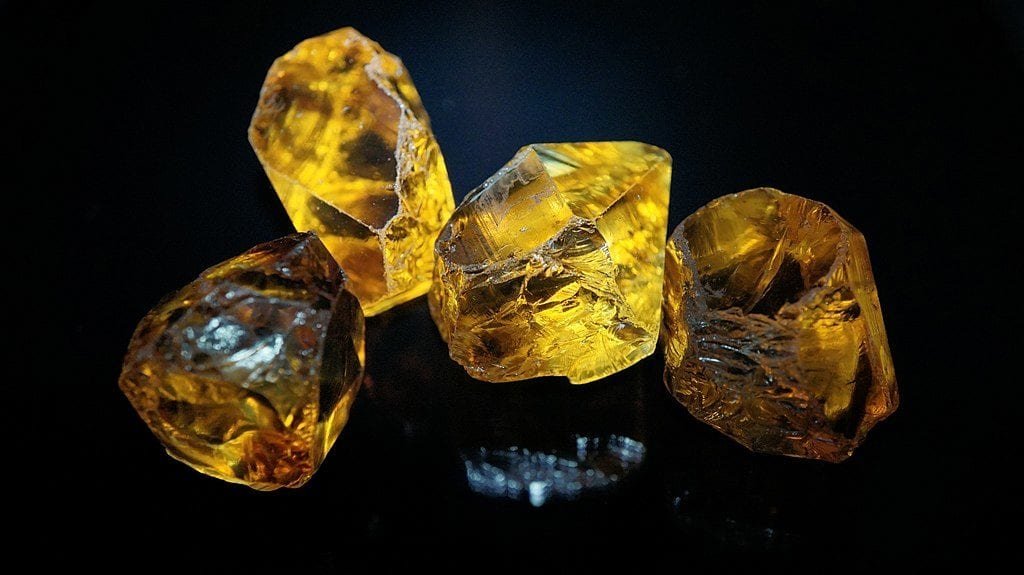
Citrine is one of the most attractive and popular varieties of quartz, admired for its warm yellow, golden, honey, and orange colors. Known for its bright appearance, Citrine has been used in jewelry, decorative objects, and gemstone collections for centuries. Its sunny color has made it especially appealing to people who enjoy warm-toned gemstones with a cheerful and elegant appearance.
The name Citrine comes from the French word “citron,” meaning lemon, which refers to the gemstone’s characteristic yellow color. Natural Citrine is relatively uncommon compared with many other quartz varieties, which has contributed to its popularity among gemstone collectors.
Citrine is commonly found in shades ranging from pale yellow to deep golden brown. The exact color can depend on the presence of iron and other factors involved in the gemstone’s formation. Today, Citrine is widely used in rings, necklaces, earrings, bracelets, pendants, and other types of jewelry.
This complete guide explores Citrine stone meaning, history, properties, colors, origins, benefits traditionally associated with the stone, jewelry uses, care instructions, value, authenticity, and buying tips.
What Is Citrine Stone?
Citrine is a transparent to translucent gemstone belonging to the quartz mineral family. Quartz is one of the most common minerals on Earth, but naturally occurring gem-quality Citrine is much less common than ordinary quartz.
Citrine gets its yellow to orange coloration primarily from iron-related impurities within the quartz crystal. Its colors can range from very light lemon yellow to rich golden, honey, orange, and brownish-yellow shades.
Citrine has a glass-like luster and can display excellent transparency when it is of high quality. Because quartz has a Mohs hardness of 7, Citrine is reasonably durable for everyday jewelry.
One of the reasons Citrine is popular is its combination of beauty, affordability, and durability. Compared with some precious gemstones, Citrine can provide an impressive appearance at a relatively accessible price.
Citrine Stone Meaning
Citrine is often associated with warmth, positivity, confidence, creativity, and abundance in traditional gemstone symbolism. Its golden appearance has led many cultures and gemstone enthusiasts to connect it with sunlight and positive energy.
Although these symbolic associations are cultural or traditional rather than scientifically proven effects, they remain an important part of Citrine’s popularity.
Common symbolic meanings associated with Citrine include:
- Positivity
- Happiness
- Confidence
- Creativity
- Motivation
- Abundance
- Success
- Optimism
- Personal growth
- Warmth and energy
Because of these traditional meanings, Citrine is sometimes selected as a meaningful gift for someone beginning a new journey, career, project, or personal goal.
Citrine Stone History
Citrine has a long history of use as a decorative gemstone. Yellow and golden quartz varieties have been appreciated for centuries, although historical identification of gemstones was not always as precise as modern mineralogical classification.
Ancient civilizations used colorful stones as ornaments, seals, decorative objects, and jewelry. Citrine-like yellow quartz was sometimes valued for its warm color and attractive transparency.
During different periods of European jewelry history, yellow gemstones became fashionable and were incorporated into rings, necklaces, brooches, and other ornamental pieces.
Citrine became particularly popular in the jewelry world during the 19th and 20th centuries. Its warm color complemented gold jewelry exceptionally well, helping establish Citrine as a popular fashion gemstone.
Today, Citrine continues to be appreciated by jewelry designers, collectors, and people who simply enjoy its golden appearance.
Citrine Stone Color
Color is one of the most important characteristics of Citrine. The gemstone can occur in several attractive shades.
1. Pale Yellow Citrine
Pale yellow Citrine has a soft and delicate appearance. It can resemble the color of lemon or light sunlight.
This variety works particularly well in delicate jewelry designs.
2. Golden Citrine
Golden Citrine has a rich yellow-gold color and is one of the most popular appearances of the gemstone.
Its warm tone looks especially attractive when set in yellow gold.
3. Honey Citrine
Honey Citrine has a warm yellow-orange appearance similar to natural honey. This color can provide an elegant and sophisticated look.
4. Orange Citrine
Orange Citrine contains stronger orange tones and can appear particularly vibrant.
5. Brownish-Golden Citrine
Some Citrine specimens display darker golden or brownish-yellow colors. These stones can have a dramatic appearance, especially in larger jewelry pieces.
Natural Citrine vs Heat-Treated Citrine
One of the most important topics for Citrine buyers is the difference between natural Citrine and heat-treated quartz.
Natural Citrine forms naturally with its characteristic yellow or golden color. However, some Amethyst and other quartz materials can be heat-treated to produce yellow, orange, or brown colors that resemble Citrine.
Heat treatment is a recognized gemstone treatment and does not automatically mean that the stone is fake. However, sellers should disclose treatments because they can affect rarity, market value, and collector interest.
Natural Citrine is generally rarer than heat-treated material.
When buying an expensive Citrine gemstone, buyers should ask:
- Is the stone natural?
- Has it been heat-treated?
- Where did the stone come from?
- Is there a gemstone laboratory report?
- What are the stone’s weight and dimensions?
- Is the color natural or enhanced?
For valuable purchases, an independent gemological report can provide additional confidence.
Citrine Stone Physical Properties
Citrine is a variety of quartz, so it shares many of quartz’s physical characteristics.
Mineral Family
Citrine belongs to the quartz mineral group.
Chemical Composition
Its chemical composition is primarily silicon dioxide, written as SiO₂.
Mohs Hardness
Citrine has a hardness of approximately 7 on the Mohs scale.
This makes it reasonably suitable for everyday jewelry, although it can still be scratched by harder materials.
Luster
Citrine typically has a vitreous, or glass-like, luster.
Transparency
High-quality Citrine can be transparent, while lower-quality specimens may be translucent or contain inclusions.
Crystal System
Citrine belongs to the trigonal crystal system because it is a variety of quartz.
Citrine Stone Clarity
Clarity is another important factor when evaluating Citrine.
High-quality Citrine can be remarkably clear and transparent. Stones with good transparency and attractive color are often preferred for jewelry.
Some Citrine specimens contain inclusions, fractures, clouds, or internal features.
Not every inclusion makes a gemstone unattractive. In fact, inclusions can sometimes help gemologists understand the stone’s origin and formation.
For a faceted Citrine intended for jewelry, many buyers prefer:
- Good transparency
- Attractive color
- Minimal distracting inclusions
- Good polish
- Well-proportioned cutting
Citrine Stone Cut and Shape
Citrine can be cut into many different shapes.
Popular Citrine shapes include:
- Oval
- Round
- Cushion
- Emerald cut
- Pear
- Marquise
- Princess
- Heart
- Trillion
- Cabochon
The choice of cut depends on the gemstone’s rough material, color distribution, clarity, and intended jewelry design.
A well-executed cut can improve the gemstone’s brilliance and make its color appear more attractive.
Citrine Stone Origin
Citrine and quartz deposits occur in several parts of the world. Some important sources associated with quartz and Citrine material include Brazil, Madagascar, Zambia, and other regions.
Brazil is particularly well known for producing large quantities of quartz and Citrine-related material.
Gemstone origin can be important to collectors, but origin alone does not determine whether a Citrine is beautiful or valuable. Color, clarity, cut, size, treatment status, and overall quality are also important.
Citrine from Brazil
Brazil is one of the world’s most important sources of quartz gemstones.
Brazilian quartz deposits have produced many attractive Citrine and Amethyst specimens. Some Citrine jewelry available in the international market is associated with Brazilian material.
Brazilian Citrine can occur in a wide range of yellow, golden, orange, and brownish colors.
Citrine from Madagascar
Madagascar is also known for producing a variety of colorful minerals and gemstones.
Citrine from Madagascar may display attractive golden and yellow shades. Collectors often appreciate gemstones from Madagascar because the country is famous for its geological diversity.
Citrine Stone and Amethyst Connection
Citrine and Amethyst are both varieties of quartz.
Amethyst is generally purple because of coloring elements and structural factors within the quartz, while Citrine is yellow to orange.
Because the two gemstones belong to the same mineral family, quartz can sometimes show zones of purple and yellow.
This material is commonly known as Ametrine when naturally occurring purple Amethyst and yellow Citrine appear together in the same crystal.
Ametrine is especially interesting because it displays two distinct quartz colors within one gemstone.
What Is Ametrine?
Ametrine is a quartz gemstone that naturally displays both Amethyst and Citrine colors.
It may show:
- Purple
- Yellow
- Golden
- Orange
The combination can create striking geometric color zoning.
Ametrine is especially attractive when the cutter can preserve and highlight the natural color division within the rough crystal.
Citrine Stone Benefits: Traditional Beliefs
Citrine has been associated with various traditional metaphysical beliefs. It is important to distinguish these traditions from scientifically established facts.
There is no reliable scientific evidence that Citrine can treat diseases, replace medical treatment, or produce supernatural effects.
However, people may still enjoy Citrine for its symbolic meaning and personal significance.
Traditionally, Citrine has been associated with:
- Confidence
- Positive thinking
- Creativity
- Motivation
- Success
- Abundance
- Optimism
- Personal development
These associations are best understood as cultural and spiritual traditions rather than medical claims.
Citrine and Positive Energy
Citrine’s bright golden appearance has made it a symbolic representation of sunshine and optimism.
Many gemstone enthusiasts choose Citrine because they associate its color with warmth and positive feelings.
A Citrine pendant or ring can therefore have personal symbolic value even when the gemstone’s effects are understood simply as aesthetic or emotional associations.
Citrine and Creativity
Citrine is traditionally associated with creativity and motivation.
Artists, writers, designers, students, and creative professionals may choose Citrine as a personal symbol of inspiration.
While the gemstone itself has not been scientifically shown to increase creativity, its bright color and personal meaning can serve as a visual reminder of creative goals.
Citrine and Confidence
Golden gemstones are often associated with strength, warmth, and confidence.
Citrine is sometimes selected by people who want a gemstone representing self-belief and positive personal development.
Wearing meaningful jewelry can provide a psychological reminder of a goal, although this is different from claiming that the gemstone has scientifically proven powers.
Citrine and Abundance
One of Citrine’s most famous traditional associations is abundance.
Some traditions connect golden Citrine with prosperity, success, and financial growth. This has contributed to Citrine’s nickname, “the merchant’s stone,” in some modern gemstone and crystal traditions.
However, Citrine should not be considered a guaranteed method for attracting money or financial success.
Real financial progress depends on practical factors such as education, planning, saving, responsible decision-making, and opportunity.
Citrine Stone Jewelry
Citrine is highly versatile for jewelry.
It can be used in:
- Rings
- Earrings
- Necklaces
- Pendants
- Bracelets
- Brooches
- Statement jewelry
- Custom gemstone pieces
Its warm yellow and golden colors can complement both modern and traditional designs.
Citrine Rings
Citrine rings are popular because the gemstone can create a bright focal point.
Large oval or cushion-cut Citrine stones can create an impressive statement ring, while smaller round stones can be used for delicate everyday jewelry.
Because Citrine has a hardness of 7, it can be suitable for rings, but reasonable care is still recommended because rings experience frequent contact with surfaces.
Citrine Earrings
Citrine earrings can add warm color to an outfit without requiring a very large gemstone.
Popular designs include:
- Stud earrings
- Drop earrings
- Hoop earrings with Citrine accents
- Gold Citrine earrings
- Silver Citrine earrings
Light yellow Citrine can create a subtle appearance, while darker golden Citrine provides a stronger visual effect.
Citrine Necklaces and Pendants
Citrine pendants are another popular jewelry choice.
A large faceted Citrine pendant can display the gemstone’s transparency and color beautifully.
Cabochon Citrine can also be used in artistic and vintage-inspired designs.
Citrine Bracelets
Citrine bracelets can feature faceted beads, polished stones, or gemstone sections set into metal.
Bracelets can be attractive accessories, although they should be protected from strong impacts because quartz can chip or fracture despite its relatively good hardness.
Citrine Stone with Gold
Citrine and yellow gold are a classic combination.
The warm tones of both materials complement each other naturally.
Golden Citrine set in yellow gold can create a rich and luxurious appearance, while pale Citrine can create a lighter and more contemporary style.
Citrine with Silver
Citrine also looks attractive with silver.
The contrast between warm yellow gemstone color and cool silver metal can create a modern appearance.
Silver Citrine jewelry can be especially suitable for people who prefer contemporary designs.
How to Choose a Citrine Stone
Choosing a Citrine gemstone requires attention to several factors.
1. Color
Look for a color that appeals to you. Golden and vibrant yellow-orange shades are especially popular.
2. Clarity
Transparent stones with good clarity are often preferred for faceted jewelry.
3. Cut
A good cut can improve brilliance and make the gemstone more attractive.
4. Size
Larger Citrine stones are available, but size should not be the only factor.
5. Treatment
Ask whether the stone is natural or heat-treated.
6. Origin
Origin may be important to collectors, but quality remains more important than location alone.
7. Certification
For expensive gemstones, consider purchasing a stone accompanied by a reputable independent gemological report.
How to Identify Real Citrine
Identifying Citrine accurately can sometimes be difficult because other yellow gemstones and treated quartz can look similar.
Some sellers may also incorrectly label yellow quartz or heat-treated Amethyst as natural Citrine.
Visual inspection alone is not always enough to establish whether a stone is naturally colored.
For valuable specimens, professional gemological testing is the safest approach.
A qualified gemologist can examine:
- Refractive properties
- Inclusions
- Color zoning
- Crystal features
- Treatment indicators
- Overall gemological characteristics
Is Citrine a Birthstone?
Citrine is often associated with November as an alternative birthstone alongside Topaz.
Birthstone traditions can vary by organization and culture, so different lists may provide different options.
Citrine’s golden color makes it a particularly popular choice for November-themed jewelry.
Citrine and November Birthdays
People born in November may choose Citrine jewelry because of its traditional connection with the month.
A Citrine ring, necklace, bracelet, or pendant can make a meaningful birthday gift.
Personalized jewelry can combine Citrine with initials, dates, or other design elements to make the piece more special.
Citrine Stone Price
The price of Citrine varies significantly depending on quality.
Important pricing factors include:
- Color
- Clarity
- Cut
- Carat weight
- Transparency
- Treatment
- Origin
- Craftsmanship
- Certification
- Market demand
Large Citrine gemstones can be relatively affordable compared with many rare precious gemstones, although exceptional natural specimens can command higher prices.
A very low price is not automatically a bargain. Buyers should consider whether the stone has been accurately identified and whether treatment has been disclosed.
Factors That Affect Citrine Value
Color
Strong, attractive color can increase desirability.
Clarity
Good transparency is generally desirable in faceted Citrine.
Cut
A well-proportioned cut can increase visual appeal.
Size
Large high-quality stones can be more desirable, although size alone does not guarantee value.
Natural Color
Natural Citrine can be more valuable to collectors because it is less common than heat-treated material.
Certification
A reliable gemological report can increase confidence in a valuable purchase.
Citrine Stone Care Guide
Although Citrine is fairly durable, proper care helps preserve its appearance.
Avoid Strong Impacts
Quartz can be scratched or chipped under certain conditions.
Keep It Away from Harsh Chemicals
Household chemicals and cleaning agents can damage jewelry settings or affect the appearance of some materials.
Remove Jewelry During Heavy Activities
Taking off Citrine jewelry during sports, manual work, or activities involving impact can reduce the risk of damage.
Store It Separately
Store Citrine jewelry separately from harder gemstones to reduce scratching.
A soft jewelry pouch or lined jewelry box is a good option.
How to Clean Citrine
Citrine jewelry can generally be cleaned gently with warm water, mild soap, and a soft cloth.
A simple cleaning process is:
- Prepare lukewarm water.
- Add a small amount of mild soap.
- Gently clean the gemstone with a soft cloth.
- Rinse carefully.
- Dry with a clean, soft cloth.
Avoid aggressive cleaning methods unless a qualified jeweler confirms that they are safe for your specific piece.
Citrine Stone in Home Decor
Large Citrine crystals and clusters are popular decorative objects.
Collectors may display Citrine specimens in:
- Living rooms
- Offices
- Bedrooms
- Shelves
- Mineral collections
- Display cabinets
Natural crystal formations can be particularly attractive because they show the structure and geometry of quartz.
Citrine Crystal Clusters
Citrine crystal clusters can have multiple crystal points growing together.
These specimens are popular among mineral collectors and crystal enthusiasts.
Large clusters can become impressive decorative pieces because their golden color catches light from different angles.
Citrine Geodes
Citrine can also occur in association with geode formations.
A geode is a geological structure with an internal cavity lined by crystals.
When quartz crystals inside a geode display yellow or golden colors, the result can be visually striking.
Large geode specimens may be used as decorative centerpieces.
Citrine for Collectors
Gemstone and mineral collectors may appreciate Citrine for several reasons.
These include:
- Color
- Crystal formation
- Transparency
- Natural origin
- Size
- Unusual formations
- Geographic provenance
- Aesthetic appeal
Collectors may prefer natural Citrine crystals over commercially treated material because naturally colored specimens can be comparatively uncommon.
Natural Citrine Rarity
One of the most important points for collectors is that natural Citrine is less common than many people assume.
A significant amount of commercial yellow quartz has been produced through heat treatment of Amethyst or other quartz material.
This does not make treated Citrine unattractive or useless. It simply means that buyers interested in natural specimens should ask questions about origin and treatment.
Citrine Stone vs Topaz
Citrine and yellow Topaz can sometimes look similar, but they are different minerals.
Citrine is quartz, while Topaz belongs to a different mineral group.
Important differences include:
| Feature | Citrine | Topaz |
|---|---|---|
| Mineral | Quartz | Topaz |
| Hardness | About 7 | About 8 |
| Common Colors | Yellow, golden, orange | Colorless, yellow, blue, pink and others |
| Appearance | Warm and glassy | Often highly brilliant |
| Availability | Relatively accessible | Varies by color and quality |
Because appearance alone can sometimes be misleading, professional testing is useful for valuable stones.
Citrine vs Yellow Sapphire
Yellow Sapphire is another gemstone that can resemble Citrine.
However, Yellow Sapphire is a variety of corundum and is significantly harder than Citrine.
Yellow Sapphire is generally considered a precious gemstone and can be substantially more expensive depending on quality.
Citrine is often chosen as a more affordable option for people who like warm yellow gemstone colors.
Citrine vs Yellow Diamond
Yellow diamonds are much rarer and can be considerably more valuable than Citrine.
Diamonds have a hardness of 10 on the Mohs scale, compared with approximately 7 for Citrine.
Citrine offers a different type of beauty, with a warm golden appearance and generally more accessible pricing.
Why Is Citrine So Popular?
Citrine’s popularity comes from several qualities.
First, its yellow and golden colors are naturally eye-catching.
Second, it is relatively durable because of its quartz composition.
Third, it can be found in large sizes.
Fourth, it is available in many jewelry styles.
Finally, Citrine has strong traditional associations with positivity, success, and abundance.
Together, these characteristics make it attractive to both jewelry buyers and mineral collectors.
Citrine as a Gift
Citrine can make a meaningful gemstone gift for many occasions.
It may be suitable for:
- Birthdays
- Anniversaries
- Graduations
- New jobs
- Career milestones
- Personal achievements
- November birthdays
- Special celebrations
Because of its traditional symbolism, Citrine can represent optimism and a bright future.
How to Store Citrine Jewelry
Proper storage helps keep Citrine jewelry in good condition.
Store it:
- In a soft pouch
- In a lined jewelry box
- Away from harder gemstones
- Away from excessive moisture
- Away from harsh chemicals
- In a secure location
If several jewelry pieces are stored together, individual compartments can help prevent scratching and tangling.
Common Myths About Citrine
Many claims about crystals and gemstones circulate online.
Some traditions claim that Citrine can guarantee wealth, cure diseases, or produce supernatural results.
These claims should not be treated as scientific facts.
Citrine is a beautiful mineral and can have cultural, symbolic, decorative, and personal significance. However, it should not replace professional medical care or responsible financial planning.
Is Citrine Good for Everyday Wear?
Citrine can be suitable for everyday jewelry because quartz has a hardness of approximately 7.
However, everyday wear does not mean the gemstone is impossible to damage.
Rings are especially exposed to knocks and scratches, so people who wear Citrine rings daily should take reasonable precautions.
Earrings and pendants may experience less physical contact and can therefore be easier to protect.
Best Jewelry Settings for Citrine
The setting can influence both appearance and protection.
Popular settings include:
- Prong settings
- Bezel settings
- Halo settings
- Solitaire settings
- Vintage settings
A bezel setting can provide more protection around the gemstone, while a prong setting can expose more of the stone and allow additional light to enter.
The best choice depends on the jewelry design and how the piece will be used.
Citrine Stone for Modern Jewelry
Modern jewelry designers use Citrine in both minimalist and statement designs.
A small Citrine gemstone can create a subtle accent, while a large golden stone can become the centerpiece of a necklace or ring.
Citrine works particularly well with:
- Yellow gold
- White gold
- Sterling silver
- Rose gold
- Platinum
Its warm color allows designers to experiment with different metals and styles.
Citrine Stone for Vintage Jewelry
Citrine is also popular in vintage-inspired designs.
Large faceted gemstones were frequently used in statement jewelry styles, and Citrine’s ability to occur in large crystals makes it suitable for dramatic vintage designs.
Antique-style Citrine jewelry may feature elaborate metalwork, floral patterns, halos, and decorative settings.
Citrine Stone and Personal Style
One advantage of Citrine is its versatility.
People who prefer subtle jewelry can choose pale yellow Citrine.
Those who enjoy bold accessories can choose a large orange or golden stone.
Minimalist jewelry may feature a single small Citrine, while statement jewelry may use multiple gemstones.
This flexibility helps Citrine suit many different fashion preferences.
Buying Citrine Online
Buying gemstones online can be convenient, but buyers should carefully evaluate the seller.
Look for:
- Clear photographs
- Accurate dimensions
- Weight information
- Treatment disclosure
- Return policy
- Seller reputation
- Gemological documentation for expensive stones
Be cautious if a listing makes extraordinary claims about supernatural powers or guarantees financial results.
The physical and gemological characteristics of the stone should remain the primary focus.
Questions to Ask a Citrine Seller
Before purchasing an expensive Citrine, ask:
- Is this natural Citrine?
- Has it been heat-treated?
- What is the carat weight?
- What are the exact dimensions?
- Is there a laboratory report?
- Where was the stone sourced?
- Is the color natural?
- Is the gemstone damaged or repaired?
- What is the return policy?
- Are the photographs representative of the actual stone?
Clear answers to these questions can help buyers make more informed decisions.
How to Tell If Citrine Is Valuable
There is no single characteristic that determines Citrine’s value.
A high-quality stone typically combines:
- Attractive color
- Good transparency
- Attractive cut
- Minimal distracting inclusions
- Good polish
- Appropriate proportions
- Natural origin when relevant to the buyer
- Accurate identification
For collectors, rarity and provenance may also be important.
Citrine Stone for Gemstone Collections
Citrine can be an excellent addition to a gemstone collection.
Collectors can choose from:
- Faceted gemstones
- Raw crystals
- Crystal clusters
- Geodes
- Cabochons
- Jewelry
- Museum-style specimens
A collection can include different colors and formations to demonstrate the variety of quartz.
Interesting Facts About Citrine
Here are several interesting Citrine facts:
- Citrine is a variety of quartz.
- Quartz has a hardness of about 7 on the Mohs scale.
- Citrine is famous for its yellow and golden colors.
- Natural Citrine is relatively uncommon.
- Some commercial Citrine is produced by heat treatment.
- Citrine and Amethyst belong to the same mineral family.
- Ametrine combines Citrine and Amethyst colors.
- Brazil is an important source of quartz gemstones.
- Citrine is traditionally associated with November.
- Its name is related to the French word for lemon.
- Citrine can occur in very large crystals.
- Golden Citrine is especially popular in jewelry.
- Citrine can be used in rings, earrings, necklaces, and bracelets.
- It is popular among mineral collectors.
- Citrine’s traditional symbolism includes positivity and abundance.
Frequently Asked Questions About Citrine Stone
What is Citrine stone?
Citrine is a yellow to orange variety of quartz known for its warm golden color, glass-like luster, and reasonable durability.
Is Citrine a real gemstone?
Yes. Citrine is a recognized natural variety of quartz and is widely used as a gemstone.
What color is Citrine?
Citrine can range from pale yellow to golden, honey, orange, and brownish-yellow.
Is natural Citrine rare?
Natural Citrine is relatively uncommon compared with many other quartz materials, and much commercial Citrine-like material is heat-treated quartz.
Is Citrine expensive?
Citrine is generally more accessible than many precious gemstones, but prices vary depending on color, clarity, size, cut, treatment, and origin.
Is Citrine durable?
Yes. With a Mohs hardness of approximately 7, Citrine is reasonably durable for jewelry, although it can still scratch or chip.
Can Citrine be worn every day?
It can be worn regularly, but care should be taken to protect it from strong impacts and scratches.
Is Citrine a November birthstone?
Citrine is commonly recognized as an alternative birthstone associated with November.
What does Citrine symbolize?
Traditional gemstone symbolism often connects Citrine with positivity, confidence, creativity, success, and abundance.
Is Citrine the same as Topaz?
No. Citrine is quartz, while Topaz is a different mineral.
Is Citrine the same as Yellow Sapphire?
No. Yellow Sapphire is corundum, while Citrine is quartz. They differ significantly in hardness, rarity, and typical market value.
How should Citrine be cleaned?
Gentle cleaning with lukewarm water, mild soap, and a soft cloth is generally appropriate for Citrine jewelry.
Can Citrine be heat-treated?
Yes. Some quartz materials, particularly Amethyst, can be heat-treated to produce yellow or orange colors resembling Citrine.
How can I know if my Citrine is natural?
Visual inspection may not always be sufficient. For valuable stones, professional gemological testing is recommended.
Final Thoughts on Citrine Stone
Citrine is a beautiful and versatile gemstone that combines warm golden color, good durability, and broad jewelry appeal. As a variety of quartz, it has a fascinating geological connection with other well-known quartz varieties such as Amethyst and Ametrine.
Its colors range from delicate pale yellow to rich golden and orange shades, giving jewelry designers and collectors many options. Citrine can be used in rings, earrings, necklaces, pendants, bracelets, and decorative mineral specimens.
Natural Citrine is relatively uncommon, while heat-treated quartz is widely available in the marketplace. For buyers who care about rarity and authenticity, understanding the difference between natural and treated material is especially important.
Citrine is also surrounded by rich traditions and symbolism. It is commonly associated with positivity, confidence, creativity, success, and abundance. These meanings are cultural and traditional rather than scientifically proven properties, but they contribute to the gemstone’s personal and decorative appeal.
Whether you are interested in gemstone jewelry, mineral collecting, birthstones, or simply beautiful natural minerals, Citrine offers an attractive combination of color, history, versatility, and geological interest.
For anyone considering purchasing Citrine, the most important factors are accurate identification, attractive color, good clarity, quality cutting, treatment disclosure, and a trustworthy seller. With proper care, a quality Citrine gemstone can remain a beautiful part of a jewelry collection for many years.