Moonstone: Meaning, Properties, Benefits, Types, History, Uses, and Buying Guide
Introduction to Moonstone
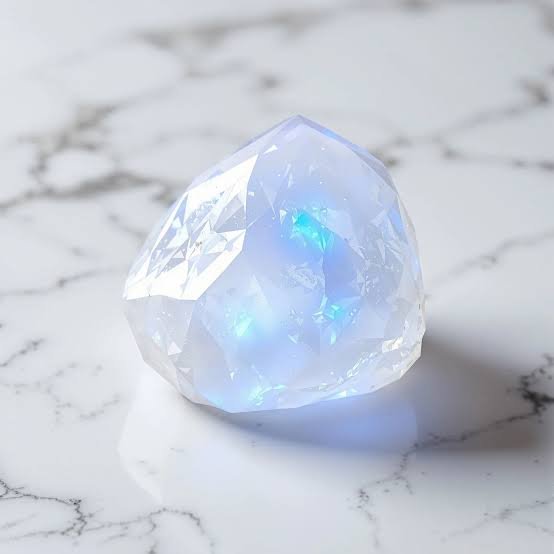
Moonstone is one of the most fascinating and beautiful gemstones in the world. Known for its soft glow and mysterious appearance, Moonstone has attracted the attention of jewelry lovers, collectors, gemstone enthusiasts, and mineral researchers for centuries. Its most recognizable feature is an optical effect called adularescence, which creates a floating, moon-like glow that appears to move across the surface of the stone when it is viewed from different angles.
Moonstone is available in several colors, including white, colorless, gray, peach, pink, green, brown, and occasionally other attractive shades. High-quality Moonstone can display a strong blue or white sheen, making it especially desirable for rings, necklaces, earrings, bracelets, and decorative gemstone collections.
The gemstone has a long history associated with the Moon and lunar imagery. Ancient cultures often connected its appearance with moonlight, mystery, femininity, and changing cycles. Today, Moonstone remains popular because of its natural beauty, distinctive optical effect, and wide range of jewelry applications.
This complete guide explores Moonstone meaning, history, properties, types, colors, symbolism, jewelry uses, care instructions, value factors, buying tips, and frequently asked questions.
What Is Moonstone?
Moonstone is a gemstone variety of the feldspar mineral group. It is famous for its adularescence, a phenomenon caused by the interaction of light with microscopic layers within the stone.
Unlike many gemstones that show their beauty primarily through transparency or intense color, Moonstone is valued for the soft light that seems to float beneath its surface. This appearance can make the gemstone look almost magical.
Moonstone commonly belongs to the orthoclase feldspar family, although related feldspar compositions can also produce moonstone-like effects. Its internal structure allows light to scatter and create the characteristic glow.
The best Moonstones often have a clean body, attractive transparency, and a strong, evenly distributed sheen. Stones with a beautiful blue adularescence are particularly popular among collectors and jewelry buyers.
Moonstone Meaning
The name Moonstone comes from the gemstone’s visual resemblance to moonlight. Its soft, glowing appearance has inspired many cultural associations throughout history.
Moonstone is commonly associated with:
- Moonlight
- Calmness
- Mystery
- Intuition
- New beginnings
- Emotional balance
- Inner reflection
- Natural beauty
- Feminine symbolism
- Transformation
These associations are primarily traditional and symbolic rather than scientifically proven effects.
Many people choose Moonstone because they appreciate its peaceful appearance and symbolic connection with the Moon. Its gentle glow makes it especially appealing to people who prefer gemstones with subtle beauty rather than extremely bright or dramatic colors.
The History of Moonstone
Moonstone has been admired for centuries. Ancient civilizations were fascinated by gemstones that appeared to contain light inside them, and Moonstone’s connection with lunar imagery made it particularly interesting.
The gemstone became especially associated with the Moon in various traditions because its appearance seemed to change depending on viewing angle and lighting conditions.
In Europe, Moonstone became fashionable during the Art Nouveau period. Jewelry designers used the gemstone in rings, pendants, brooches, and other decorative pieces. The stone’s soft appearance matched the artistic style of the period, which often emphasized natural forms, flowing designs, flowers, insects, and mystical imagery.
During the late nineteenth and early twentieth centuries, Moonstone became increasingly popular in decorative jewelry. Its unusual optical effect allowed designers to create pieces that looked different under different lighting conditions.
Today, Moonstone continues to have a strong presence in the international gemstone and jewelry market.
Why Is Moonstone Called the Stone of the Moon?
Moonstone is called the “stone of the Moon” mainly because of its visual appearance. The soft light moving across the gemstone can resemble moonlight shining through clouds.
The connection is strengthened by the fact that the gemstone can appear different under different lighting and viewing angles.
Although many traditional beliefs associate Moonstone with lunar energy and intuition, these are cultural or spiritual interpretations rather than established scientific properties.
From a gemological perspective, the important feature is its adularescence.
What Is Adularescence?
Adularescence is the optical phenomenon that gives Moonstone its famous glow.
Inside Moonstone, microscopic layers of feldspar can cause light to scatter. Instead of simply passing through the gemstone, light interacts with these internal structures and creates a soft glow that appears to move across the surface.
The effect can range from:
- White
- Silver
- Blue
- Gray
- Creamy
- Multicolored
Blue adularescence is often highly valued, especially when it appears strongly against a relatively transparent or clean body.
The strength and quality of adularescence can have a significant impact on the visual appeal and price of a Moonstone.
Moonstone Colors
Moonstone comes in a variety of colors. Some of the most common include:
White Moonstone
White Moonstone has a pale, milky appearance and may display white or blue adularescence. It is one of the most recognizable forms of Moonstone.
Blue Moonstone
Blue Moonstone is highly appreciated because of its attractive blue sheen. When the body of the stone is relatively transparent and the blue glow is strong, it can be especially desirable.
Peach Moonstone
Peach Moonstone has warm peach, pinkish-orange, or creamy tones. It is popular in contemporary jewelry because of its soft and warm appearance.
Gray Moonstone
Gray Moonstone can have a smoky or silvery body color. Its subtle appearance gives it a sophisticated character.
Green Moonstone
Greenish Moonstone is less common and can display interesting variations in color and sheen.
Pink Moonstone
Pink Moonstone has a soft pink or rosy appearance and is often used in feminine and romantic jewelry designs.
Types of Moonstone
Moonstone can be discussed in different categories based on mineral composition, appearance, and optical characteristics.
Rainbow Moonstone
Rainbow Moonstone is a popular commercial name for a type of labradorite that can display colorful flashes. Although it is often marketed as Moonstone, it is technically different from traditional orthoclase Moonstone.
Its flashes may include:
- Blue
- Green
- Yellow
- Orange
- Purple
Rainbow Moonstone is widely used in jewelry because of its dramatic optical appearance.
Blue Sheen Moonstone
This variety displays a blue adularescent glow. Strong blue sheen combined with good transparency is particularly attractive.
White Moonstone
White Moonstone has a milky or translucent appearance and can show a soft white or blue glow.
Peach Moonstone
Peach Moonstone is recognized for its warm body color and subtle sheen.
Moonstone Physical Properties
Moonstone belongs to the feldspar mineral family.
Important physical characteristics include:
- Mineral group: Feldspar
- Typical composition: Potassium aluminum silicate for orthoclase Moonstone
- Crystal system: Monoclinic for orthoclase
- Hardness: Approximately 6 to 6.5 on the Mohs scale
- Luster: Vitreous to pearly
- Transparency: Transparent to translucent
- Main optical effect: Adularescence
- Common colors: White, gray, peach, pink, brown, green, and colorless
Because Moonstone is not extremely hard, it requires reasonable care when used in jewelry.
Moonstone on the Mohs Hardness Scale
Moonstone generally has a hardness of around 6 to 6.5 on the Mohs scale.
This makes it suitable for many types of jewelry, but it is softer than gemstones such as sapphire and ruby.
Because of its moderate hardness, Moonstone can be scratched if it comes into contact with harder materials.
For this reason, Moonstone rings may require more care than rings made from very hard gemstones.
Where Is Moonstone Found?
Moonstone deposits occur in several parts of the world.
Important sources and regions associated with Moonstone include:
- Sri Lanka
- India
- Madagascar
- Myanmar
- Tanzania
- Australia
- Brazil
- United States
- Other gemstone-producing regions
Sri Lanka has historically been an important source of high-quality Moonstone. India is also well known for producing attractive Moonstone material, particularly varieties with different body colors and optical effects.
The quality of Moonstone can vary considerably from one deposit to another.
Moonstone from Sri Lanka
Sri Lankan Moonstone is particularly famous among gemstone collectors.
Some Sri Lankan Moonstones can have a relatively transparent body with an attractive blue or white adularescent glow. Fine specimens may be highly desirable.
Sri Lankan Moonstone has played an important role in the gemstone history of the island and continues to be recognized in the international gem trade.
Moonstone from India
India produces a wide range of Moonstone material. Indian Moonstones can occur in white, peach, gray, brown, and other colors.
Some Indian material is especially popular for cabochon jewelry because its natural colors and internal appearance create an attractive, earthy aesthetic.
Moonstone Jewelry
Moonstone is a popular jewelry gemstone because of its distinctive glow.
It can be used in:
- Rings
- Necklaces
- Pendants
- Earrings
- Bracelets
- Brooches
- Jewelry sets
- Handmade gemstone jewelry
Its soft appearance makes it suitable for both traditional and modern designs.
Moonstone Rings
Moonstone rings are popular among people who want jewelry with a subtle and unusual appearance.
The gemstone is often cut as a cabochon rather than a faceted stone. A smooth, rounded cabochon surface can help display adularescence effectively.
Moonstone rings may feature:
- Simple silver settings
- Gold settings
- Vintage-inspired designs
- Floral designs
- Minimalist styles
- Bohemian jewelry designs
Because Moonstone is moderately soft, people who wear Moonstone rings regularly should take care to protect them from hard impacts and scratches.
Moonstone Necklaces
Moonstone necklaces and pendants are among the most practical ways to wear the gemstone.
A pendant generally experiences less direct impact than a ring, making it a good option for people who want to enjoy Moonstone regularly.
Moonstone pendants are available in many shapes, including:
- Oval
- Round
- Teardrop
- Heart
- Freeform
- Cushion
Moonstone Earrings
Moonstone earrings can display a beautiful glow when they catch light.
Stud earrings are simple and practical, while dangling Moonstone earrings can create movement that enhances the visual effect of the gemstone.
White and peach Moonstone are particularly popular for earrings.
Moonstone Bracelet
Moonstone bracelets are often made using polished beads or individual cabochons.
Beaded bracelets can provide a casual appearance, while gemstone-set bracelets may look more formal.
Because bracelets can experience frequent contact with surfaces, Moonstone bracelets should be handled carefully.
Moonstone as a Birthstone
Moonstone is commonly associated with the month of June and is often presented as an alternative or complementary June birthstone.
June is notable because it is associated with several beautiful gemstones, including pearl and alexandrite.
People born in June may therefore choose Moonstone because of its distinctive appearance and symbolic connection with the Moon.
Moonstone and Astrology
Moonstone has a long association with astrology and lunar symbolism.
In some traditional astrological systems, Moonstone is associated with the Moon. People may choose it because they believe it has symbolic connections with emotions, intuition, reflection, and calmness.
However, there is no scientific evidence that wearing Moonstone changes personality, health, luck, or planetary influences.
Astrological gemstone traditions should therefore be understood as cultural or spiritual beliefs rather than scientific facts.
Moonstone Symbolism
Moonstone has many symbolic meanings.
New Beginnings
Because the Moon changes through different phases, Moonstone is often associated with change and new beginnings.
Intuition
The gemstone is traditionally connected with intuition and inner reflection.
Calmness
Its soft visual appearance is often associated with peace and calm.
Transformation
The changing glow of Moonstone can symbolize personal growth and transformation.
Femininity
Moonstone has historically been associated with feminine imagery and lunar symbolism in various cultures.
Moonstone Benefits: What Do Traditional Beliefs Say?
Many spiritual traditions attribute various benefits to Moonstone. These claims are not scientifically established, but they are part of the gemstone’s cultural popularity.
Traditional beliefs may associate Moonstone with:
- Emotional balance
- Calmness
- Intuition
- Self-reflection
- Creativity
- New beginnings
- Spiritual awareness
These should be viewed as symbolic or personal beliefs rather than medical claims.
Moonstone should never be considered a replacement for professional medical treatment.
Is Moonstone a Healing Stone?
Moonstone is sometimes described as a healing crystal or healing gemstone in alternative spiritual practices.
Supporters of crystal traditions may associate it with emotional balance, relaxation, and mindfulness. However, scientific research does not establish that Moonstone has special healing powers.
If someone enjoys Moonstone as part of meditation or personal reflection, it can serve as a meaningful symbolic object without treating it as a medical treatment.
Moonstone and Meditation
Some people use gemstones during meditation because they find them visually calming or personally meaningful.
Moonstone’s soft glow and smooth surface can make it appealing for mindfulness practices.
However, any benefits experienced during meditation are better understood as the result of relaxation, attention, and personal meaning rather than proven gemstone-based effects.
Moonstone and Emotional Symbolism
Moonstone is frequently connected with emotions because of its association with the Moon.
The Moon’s changing phases have historically inspired symbolism involving cycles, change, and reflection.
For this reason, Moonstone can make a meaningful gift for someone beginning a new chapter in life.
How Is Moonstone Cut?
Moonstone is commonly cut as a cabochon.
A cabochon has a smooth, polished surface rather than traditional facets.
This style is particularly useful for Moonstone because the smooth surface allows the adularescent effect to become easier to observe.
Common Moonstone shapes include:
- Oval
- Round
- Pear
- Cushion
- Cabochon
- Freeform
The quality of the cut can affect how effectively the gemstone displays its optical effect.
Moonstone Cabochon
The cabochon cut is strongly associated with Moonstone jewelry.
A good cabochon should have a smooth, symmetrical surface and should be shaped in a way that helps display the stone’s glow.
The dome should generally be well proportioned. Poor cutting can reduce the visual impact of the gemstone.
How to Identify Real Moonstone
Identifying Moonstone accurately can be difficult for inexperienced buyers because many other materials can resemble it.
Some useful considerations include:
- Examine the optical effect.
- Look at transparency.
- Check the gemstone’s internal structure.
- Consider its mineral properties.
- Ask for professional gemological testing when necessary.
- Purchase from reputable sellers.
Visual inspection alone cannot always confirm whether a gemstone is natural, treated, synthetic, or another mineral.
For expensive Moonstone, an independent gemological report can provide additional confidence.
Natural Moonstone vs Synthetic or Imitation Materials
Natural Moonstone is formed through geological processes over long periods.
Imitation materials may be made from glass, synthetic materials, or other substances designed to resemble Moonstone.
Some stones marketed as Moonstone may also belong to different feldspar varieties.
A professional gemologist can help distinguish between natural Moonstone and imitations.
Moonstone Value
The value of Moonstone depends on several factors.
Important considerations include:
- Color
- Transparency
- Adularescence
- Clarity
- Cut
- Size
- Origin
- Overall beauty
- Treatment
- Market demand
A Moonstone with a strong, attractive blue sheen and good transparency may be worth considerably more than a dull or heavily included specimen.
Large size alone does not automatically mean a Moonstone is valuable.
What Makes Moonstone Valuable?
One of the most important factors is the quality of the optical effect.
A desirable Moonstone may show:
- Strong adularescence
- Attractive blue or white glow
- Good transparency
- Clean appearance
- Well-proportioned cutting
- Smooth polished surface
The overall visual combination is often more important than a single characteristic.
Moonstone Clarity
Clarity refers to the presence or absence of internal inclusions.
Moonstone commonly contains internal features because of its natural mineral structure.
However, too many visible inclusions can reduce transparency and affect the appearance of the gemstone.
Fine Moonstone often balances attractive internal characteristics with sufficient transparency to produce a beautiful glow.
Moonstone Treatments
Some Moonstone may be treated to improve its appearance.
Potential treatments can include processes designed to enhance color or clarity.
When buying a valuable gemstone, it is important to ask the seller whether the stone has been treated.
Treatment can affect value, durability, and care requirements.
How to Buy Moonstone
Buying Moonstone can be enjoyable, but consumers should pay attention to quality.
Check the Glow
Look at the gemstone under different lighting conditions and viewing angles.
Examine Transparency
High-quality material may have a more attractive translucent or transparent body.
Inspect the Surface
Check for cracks, chips, or scratches.
Ask About Treatment
Always ask whether the gemstone is natural and whether it has been treated.
Compare Prices
Do not purchase the first stone you see. Compare several examples to understand differences in quality.
Choose a Reputable Seller
A trusted jeweler or gemstone dealer is generally a safer choice than an unknown seller making unrealistic claims.
Moonstone Care Guide
Moonstone requires reasonable care because of its moderate hardness and potential cleavage.
Avoid Hard Impacts
Do not expose Moonstone jewelry to unnecessary impacts.
Keep It Away From Harder Gemstones
Store Moonstone separately from diamonds, sapphires, and other harder materials.
Avoid Harsh Chemicals
Household chemicals and strong cleaning products can damage jewelry settings or surfaces.
Use Gentle Cleaning
A soft cloth and mild soapy water are generally suitable for cleaning many Moonstone pieces.
Avoid Extreme Temperature Changes
Sudden temperature changes may be undesirable for some gemstones and jewelry materials.
How to Clean Moonstone
Cleaning Moonstone is relatively simple.
Use:
- Lukewarm water
- Mild soap
- A soft cloth
- A very soft brush if necessary
Gently clean the stone and rinse it carefully.
Dry it with a soft cloth.
Avoid aggressive scrubbing and harsh chemical cleaners.
For valuable or antique Moonstone jewelry, professional cleaning advice is recommended.
Should You Wear Moonstone Every Day?
Moonstone can be worn regularly, but it is not the best choice for rough daily activities.
Because it has a Mohs hardness of approximately 6 to 6.5 and may have cleavage, it can be scratched or damaged by strong impact.
Moonstone pendants and earrings are generally easier to protect than rings.
If you wear a Moonstone ring daily, remove it before activities involving:
- Sports
- Heavy physical work
- Gardening
- Cleaning
- Construction
- Handling hard objects
Moonstone vs Labradorite
Moonstone and labradorite are both feldspar minerals and can display attractive optical effects, but they are not identical.
Moonstone is known primarily for adularescence, while labradorite is famous for labradorescence, which can produce stronger flashes of blue, green, yellow, and other colors.
Rainbow Moonstone is commonly sold under the Moonstone name but is technically a variety of labradorite.
Understanding this difference can help buyers make informed decisions.
Moonstone vs Opal
Moonstone and opal can both display beautiful optical effects, but their appearances are different.
Moonstone typically shows a soft, floating glow.
Opal can display flashes of multiple colors, often producing a more dramatic play-of-color.
Both are popular gemstones, but their physical properties and care requirements differ.
Moonstone vs Pearl
Moonstone and pearl are both commonly associated with June and have soft, elegant appearances.
Pearls are organic gemstones produced by living organisms, while Moonstone is a mineral gemstone.
Moonstone has an internal glowing effect called adularescence, while pearls are known for their orient and luster.
Both can make beautiful jewelry, depending on personal taste.
Moonstone in Modern Jewelry Design
Modern designers continue to use Moonstone in creative ways.
Its natural appearance works particularly well with:
- Minimalist jewelry
- Bohemian jewelry
- Vintage designs
- Nature-inspired jewelry
- Handmade pieces
- Contemporary silver jewelry
- Gold jewelry
Moonstone can be paired with metals such as silver, yellow gold, white gold, and rose gold.
Why Is Moonstone Popular?
Moonstone remains popular because it offers something different from many traditional gemstones.
Its appeal comes from:
- Natural glow
- Soft colors
- Unique optical effect
- Rich history
- Symbolic meaning
- Wide range of jewelry designs
- Availability in different price categories
No two natural Moonstones look exactly the same, which adds to their individuality.
Moonstone for Collectors
Collectors often look for Moonstones with exceptional optical effects.
Collector-quality examples may have:
- Strong adularescence
- Excellent transparency
- Attractive body color
- Large size
- Fine polish
- Interesting origin
- Rare visual characteristics
The combination of rarity and beauty can make exceptional Moonstone specimens particularly interesting to collectors.
Moonstone for Gifts
Moonstone can make a meaningful gift for many occasions.
It can be given for:
- Birthdays
- Anniversaries
- Graduations
- New beginnings
- Special celebrations
- Jewelry collections
- June birthdays
Because of its symbolism of change and new beginnings, Moonstone is often chosen for people starting a new chapter.
Moonstone Engagement Rings
Moonstone engagement rings have become popular among people who want an alternative to traditional diamond designs.
The gemstone can create a soft and romantic appearance.
However, because Moonstone is softer than diamond and can be vulnerable to impact, it requires more care when used in an engagement ring.
People considering Moonstone for a ring should understand its durability before making a purchase.
Moonstone and Silver Jewelry
Moonstone and silver are a particularly popular combination.
The cool appearance of silver can complement the white, gray, or blue glow of Moonstone.
Silver Moonstone jewelry is often available at relatively accessible prices and can be found in minimalist, vintage, and handmade styles.
Moonstone and Gold Jewelry
Gold provides a warmer contrast to Moonstone.
Yellow gold can create an elegant vintage appearance, while white gold can emphasize the gemstone’s cool glow.
Rose gold can create a warmer and more contemporary look, particularly with peach or pink Moonstone.
Common Moonstone Shapes
Moonstone can be cut into many shapes.
Popular options include:
- Round
- Oval
- Pear
- Cushion
- Marquise
- Heart
- Freeform
Oval cabochons are especially common because they provide a large surface area for displaying adularescence.
Moonstone Meaning in Different Cultures
Throughout history, the Moon has been an important symbol in many cultures.
Because Moonstone resembles moonlight, it has naturally become associated with lunar symbolism.
Different traditions have connected it with:
- Cycles
- Renewal
- Mystery
- Femininity
- Intuition
- Change
- Reflection
These meanings vary between cultures and should not be treated as universal facts.
Interesting Facts About Moonstone
Here are some interesting facts about Moonstone:
- Moonstone belongs to the feldspar mineral group.
- Its famous glow is called adularescence.
- It is commonly cut as a cabochon.
- Sri Lanka is historically important for fine Moonstone.
- India produces several attractive Moonstone varieties.
- Moonstone is associated with June.
- It has a hardness of approximately 6 to 6.5.
- Rainbow Moonstone is commonly associated with labradorite.
- Its glow can change as the viewing angle changes.
- Moonstone has been popular in jewelry for centuries.
- It can occur in several body colors.
- Strong blue adularescence is highly appreciated.
- Moonstone should be protected from hard impacts.
- It is often associated with lunar symbolism.
- Natural Moonstones can contain internal inclusions.
Is Moonstone Rare?
Moonstone is not among the world’s rarest gemstones overall, but high-quality material can be relatively uncommon.
Ordinary Moonstone is widely available, while fine stones with excellent transparency and strong adularescence are much more desirable.
The rarity of a particular Moonstone depends on its color, optical effect, clarity, size, origin, and overall quality.
Is Moonstone Expensive?
Moonstone can range from relatively affordable to expensive depending on quality.
Small commercial-quality stones may be accessible to many buyers.
Fine Moonstones with exceptional transparency and strong blue adularescence can command much higher prices.
Therefore, the word “Moonstone” alone does not determine value. The quality of the individual gemstone matters greatly.
Can Moonstone Scratch Easily?
Moonstone is moderately hard rather than extremely hard.
At approximately 6 to 6.5 on the Mohs scale, it can be scratched by harder materials.
Proper storage and careful handling can help preserve its surface.
Can Moonstone Go in Water?
Brief contact with clean water is generally not an issue for many Moonstone pieces, but prolonged soaking is unnecessary.
If the jewelry contains delicate settings, glued components, or other materials, water exposure may have additional risks.
For cleaning, gentle and controlled use of lukewarm water is usually preferable to prolonged soaking.
Can Moonstone Be Exposed to Perfume?
It is better to keep Moonstone jewelry away from perfume, hairspray, cosmetics, and strong chemicals.
Apply personal-care products first and allow them to dry before putting on gemstone jewelry.
This can help protect both the gemstone and its setting.
How Should Moonstone Be Stored?
Store Moonstone separately from harder gemstones.
A soft jewelry pouch or individual compartment can help prevent scratches.
Avoid throwing Moonstone jewelry together with diamonds, sapphires, or other hard stones.
Moonstone for Jewelry Lovers
Moonstone is an excellent option for people who enjoy gemstones with unusual visual characteristics.
Unlike gemstones that depend mainly on bright color, Moonstone’s beauty comes from the interaction of light and internal structure.
This makes every high-quality specimen feel distinctive.
Moonstone as a Decorative Stone
In addition to jewelry, Moonstone can be collected as mineral specimens.
Collectors may display polished cabochons, rough material, carved stones, and larger specimens.
High-quality specimens can be visually impressive even when they are not used in jewelry.
How to Choose the Best Moonstone
If you are choosing a Moonstone, consider the following checklist:
1. Optical Effect
Look for attractive and visible adularescence.
2. Transparency
A cleaner, more transparent body can enhance the overall appearance.
3. Color
Choose a body color that matches your personal preference.
4. Cut
Make sure the cabochon is smoothly polished and well proportioned.
5. Condition
Avoid stones with significant cracks, chips, or serious surface damage.
6. Seller
Buy from a reputable source.
7. Certification
For expensive stones, consider an independent gemological report.
Moonstone SEO Keywords
For content creators and gemstone websites, relevant Moonstone search terms can include:
- Moonstone
- Moonstone gemstone
- Moonstone stone
- Moonstone meaning
- Moonstone benefits
- Moonstone properties
- Moonstone jewelry
- Moonstone ring
- Moonstone necklace
- Moonstone earrings
- Moonstone bracelet
- Blue Moonstone
- White Moonstone
- Rainbow Moonstone
- Peach Moonstone
- Natural Moonstone
- Moonstone birthstone
- Moonstone astrology
- Moonstone price
- Moonstone value
- Moonstone colors
- Moonstone types
- Moonstone meaning and benefits
- How to identify real Moonstone
- How to clean Moonstone
- Moonstone jewelry care
Frequently Asked Questions About Moonstone
What is Moonstone?
Moonstone is a feldspar gemstone known for its characteristic optical effect called adularescence.
What does Moonstone symbolize?
Moonstone is traditionally associated with the Moon, intuition, calmness, cycles, transformation, and new beginnings.
What color is Moonstone?
Moonstone can be white, colorless, gray, peach, pink, green, brown, and other shades.
Is Moonstone a birthstone?
Moonstone is commonly associated with June and is often used as a June birthstone option.
Is Moonstone expensive?
The price varies widely depending on quality, transparency, adularescence, color, size, origin, and treatment.
Is Moonstone real?
Natural Moonstone is a genuine mineral gemstone. However, some products marketed as Moonstone may be imitations or other feldspar varieties, so reputable sellers are important.
What makes Moonstone special?
Its most distinctive feature is adularescence, the soft glow that appears to move across the gemstone.
Can Moonstone be worn every day?
It can be worn regularly with care, but because it is moderately hard and can be vulnerable to impact, it is better protected during strenuous activities.
How should Moonstone be cleaned?
Use gentle soap, lukewarm water, and a soft cloth. Avoid harsh chemicals and aggressive cleaning methods.
Is Rainbow Moonstone the same as Moonstone?
Rainbow Moonstone is commonly sold under the Moonstone name but is generally a variety of labradorite rather than traditional orthoclase Moonstone.
Final Thoughts on Moonstone
Moonstone is a gemstone that combines natural beauty, fascinating mineral science, history, and symbolism. Its most famous characteristic, adularescence, creates a soft glow that can make the gemstone appear to contain moonlight beneath its surface.
From classic white Moonstone to peach varieties and colorful material sold as Rainbow Moonstone, there are many forms to explore. The gemstone can be used in rings, necklaces, earrings, bracelets, pendants, and collector specimens.
When purchasing Moonstone, buyers should focus on the quality of its optical effect, transparency, color, cut, condition, and authenticity rather than relying only on size or marketing claims.
Moonstone is also a good example of how gemstones can combine science and cultural history. Its beauty comes from real mineral structures and optical phenomena, while its symbolic meanings come from centuries of human fascination with the Moon.
Whether you are a jewelry lover, gemstone collector, researcher, or simply someone interested in beautiful natural stones, Moonstone offers plenty to discover. Its mysterious glow, distinctive appearance, and long history ensure that it remains one of the world’s most recognizable and fascinating gemstones.