Hematite Stone: Meaning, Properties, Benefits, Uses, Value, and Complete Guide
Introduction to Hematite Stone
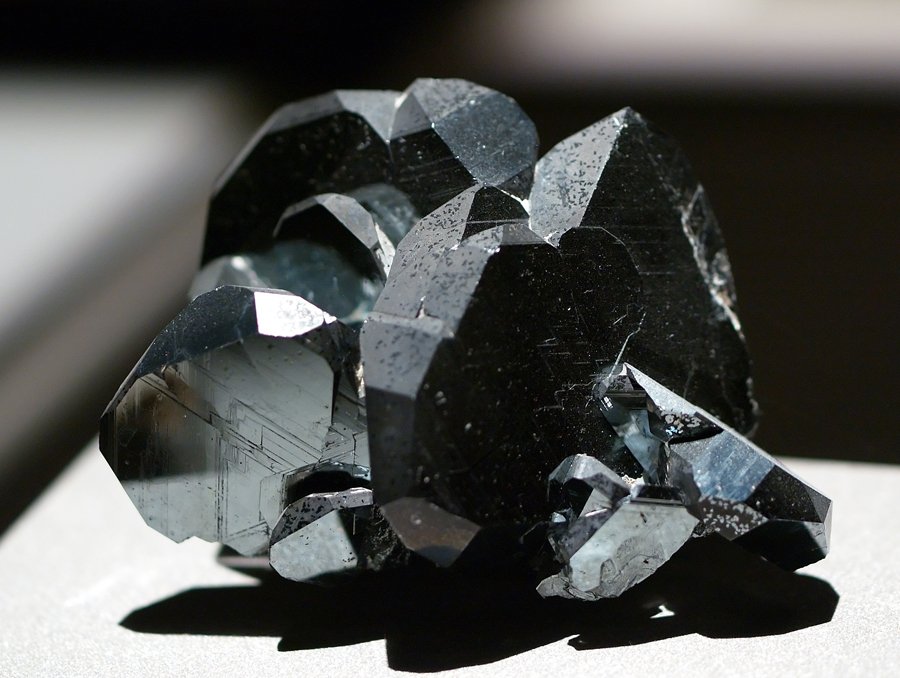
Hematite stone is one of the most fascinating iron-rich minerals found in nature. Known for its metallic appearance, deep gray to black color, and distinctive reddish-brown streak, hematite has attracted attention for thousands of years. It is widely used as an ornamental stone, jewelry material, pigment source, and mineral specimen.
The name hematite comes from an ancient Greek word associated with blood because powdered hematite can produce a reddish color. Although the polished stone usually appears metallic gray, black, silver-gray, or sometimes reddish-brown, its streak is characteristically red to reddish-brown.
Hematite is especially interesting because it combines attractive visual characteristics with important geological and industrial properties. It is one of the major ores of iron and has played a significant role in human civilization.
Today, hematite is popular among mineral collectors, jewelry enthusiasts, crystal lovers, and people interested in traditional gemstone practices. Hematite beads, cabochons, polished stones, rings, bracelets, necklaces, and decorative objects can be found in many markets around the world.
This comprehensive guide explores hematite stone meaning, appearance, properties, formation, history, uses, jewelry, value, identification, care, benefits, and buying tips.
What Is Hematite Stone?
Hematite is a mineral composed primarily of iron oxide. Its chemical formula is Fe₂O₃. It belongs to the oxide mineral group and is one of the most important naturally occurring iron minerals.
Hematite can form in several geological environments. It may develop through sedimentary processes, volcanic activity, hydrothermal processes, weathering, and other geological transformations.
One of the most recognizable characteristics of hematite is its reddish-brown streak. A streak test involves rubbing a mineral against an unglazed porcelain surface. Unlike the surface color, which can vary considerably, hematite typically leaves a red or reddish-brown streak.
Hematite can occur in different forms, including earthy masses, metallic crystals, botryoidal formations, and specular varieties with a sparkling or reflective appearance.
Hematite Stone Meaning
Hematite has a long history of symbolic and cultural associations. Because of its iron-rich composition and blood-red streak, ancient cultures connected hematite with strength, vitality, courage, and protection.
In modern crystal traditions, hematite is often described symbolically as a grounding stone. People who enjoy crystal practices may associate it with stability, focus, balance, and emotional grounding.
These traditional meanings are cultural or spiritual beliefs rather than scientifically established medical effects. Hematite should therefore be appreciated as a mineral and decorative stone, while claims about physical or psychological healing should not be treated as medical facts.
Hematite Stone Appearance
Hematite can display a range of appearances depending on its formation and surface treatment.
Common colors include:
- Metallic gray
- Steel gray
- Silver-gray
- Black
- Reddish-brown
- Brown
- Red-brown
Some specimens have a highly reflective metallic surface, while others have an earthy or dull appearance.
Specular hematite is particularly attractive because it can contain tiny reflective surfaces that create a glittering appearance. Earthy hematite, on the other hand, may look more like a reddish-brown rock.
Polished hematite is commonly used for jewelry because polishing can produce a smooth, mirror-like metallic appearance.
Hematite Stone Properties
Hematite has several distinctive physical and chemical properties.
Chemical Formula
The chemical formula of hematite is:
Fe₂O₃
This indicates that hematite consists primarily of iron and oxygen.
Mineral Group
Hematite belongs to the oxide mineral group.
Hardness
Hematite generally has a Mohs hardness of around 5 to 6.5, depending on the specimen and its structure.
This means it is reasonably durable but can still be scratched by harder minerals.
Luster
Hematite may have:
- Metallic luster
- Submetallic luster
- Earthy luster
The metallic appearance is one of its most recognizable features.
Streak
The streak of hematite is typically red to reddish-brown.
This is one of the best diagnostic characteristics of the mineral.
Specific Gravity
Hematite is relatively dense because of its high iron content. Its specific gravity is generally around 5.0 to 5.3.
Crystal System
Hematite crystallizes in the trigonal crystal system.
How Is Hematite Formed?
Hematite can form through several geological processes.
One important formation process occurs in sedimentary environments. Iron can become dissolved, transported, and eventually deposited as iron minerals. Over geological periods, these deposits may become concentrated into large iron-rich formations.
Hematite can also develop through oxidation. When iron-bearing minerals interact with oxygen and water, iron may oxidize and form iron oxides such as hematite.
Hydrothermal processes can also contribute to hematite formation. Hot mineral-rich fluids moving through cracks and spaces in rocks can deposit iron minerals under suitable temperature and chemical conditions.
Volcanic and metamorphic environments may also contribute to the formation of certain hematite specimens.
Where Is Hematite Found?
Hematite occurs in many parts of the world. Some notable sources include:
- Brazil
- Australia
- China
- India
- Canada
- United States
- United Kingdom
- South Africa
- Russia
- Switzerland
Brazil and Australia are especially important sources of iron-rich hematite deposits.
Hematite can occur in enormous deposits that are economically important for iron production, as well as smaller and more attractive specimens collected for mineral displays and jewelry.
Hematite and Iron Ore
Hematite is extremely important in the iron industry. Because it contains a high proportion of iron, it has historically been one of the major iron ores.
Iron extracted from hematite is used in the production of steel and many other industrial materials.
Steel is essential for:
- Buildings
- Bridges
- Vehicles
- Machinery
- Tools
- Infrastructure
- Appliances
- Industrial equipment
This makes hematite much more than a decorative mineral. It has played a major role in modern industrial development.
History of Hematite Stone
Hematite has been known and used by humans for thousands of years.
Ancient civilizations valued hematite for pigments, ornaments, and symbolic purposes. Because hematite powder produces a strong reddish pigment, it was used in paints and artistic materials.
Ancient people also used hematite in decorative objects and beads.
Its association with blood likely contributed to its symbolic importance. The reddish streak produced by hematite may have seemed mysterious to people who did not understand the mineral’s chemistry.
Over time, hematite became associated with ideas such as strength, protection, courage, and vitality in various cultural traditions.
Hematite in Ancient Art
One of the important historical uses of hematite was as a pigment.
When hematite is finely powdered, it can produce a reddish or reddish-brown pigment. Natural iron oxide pigments have been used in artwork for thousands of years.
Red ochre, which can contain iron oxides including hematite, has been used by human societies in paintings, decoration, and symbolic artwork.
This makes hematite significant not only in geology but also in archaeology and art history.
Hematite Stone in Jewelry
Hematite is widely used in jewelry because of its distinctive metallic appearance.
Common hematite jewelry includes:
- Hematite rings
- Hematite bracelets
- Hematite necklaces
- Hematite earrings
- Hematite pendants
- Hematite beads
- Hematite cabochons
Polished hematite beads are particularly popular. Their dark metallic appearance can complement both casual and formal jewelry designs.
Hematite jewelry is often designed with simple shapes because the natural color and reflective surface provide visual interest without requiring elaborate patterns.
Hematite Rings
Hematite rings are popular because they have a modern metallic appearance.
Many hematite rings are made with smooth, polished surfaces. Some designs are completely plain, while others include carved patterns or combined materials.
Because hematite is not as hard as many traditional jewelry gemstones, users should take reasonable care to avoid strong impacts and scratches.
Hematite Bracelets
Hematite bracelets are commonly made using polished beads.
Beaded bracelets may contain round hematite beads, faceted beads, or mixed stone designs. Hematite’s dark gray appearance pairs well with many other materials.
Some bracelets marketed as hematite may also contain magnetic materials or other mineral-based components, so buyers should check product descriptions carefully.
Hematite Necklaces and Pendants
Hematite pendants can showcase the stone’s metallic appearance beautifully.
Popular designs include:
- Round pendants
- Oval cabochons
- Teardrop shapes
- Geometric designs
- Polished natural pieces
- Carved pendants
A hematite pendant can provide a subtle dark metallic accent without the bright appearance associated with many colorful gemstones.
Hematite Beads
Hematite beads are among the most common forms of hematite used in jewelry making.
Beads can be:
- Round
- Oval
- Faceted
- Cylindrical
- Flat
- Barrel-shaped
Their smooth surfaces make them suitable for bracelets, necklaces, and craft projects.
However, buyers should be aware that some products sold as “hematite beads” may be imitation or synthetic materials. Reputable sellers should clearly describe what the material actually is.
Is Hematite a Gemstone?
Hematite is primarily classified as a mineral rather than a traditional gemstone.
However, attractive specimens can absolutely be used as ornamental stones and jewelry materials.
The distinction between “mineral,” “gemstone,” and “ornamental stone” can depend on context. A mineral may become a gemstone when it is cut, polished, and used for decorative purposes.
Hematite is therefore commonly discussed in the gemstone and crystal jewelry market even though its primary geological classification is as a mineral.
Hematite Stone Benefits: Traditional Beliefs
Hematite is associated with various traditional and modern crystal practices.
People who follow crystal traditions may associate hematite with:
- Grounding
- Stability
- Focus
- Confidence
- Balance
- Protection
- Calmness
- Mental clarity
These associations are part of spiritual and cultural traditions. Scientific evidence does not establish hematite as a treatment for medical or psychological conditions.
If you enjoy hematite as a symbolic object, it can be appreciated for its history, appearance, and personal meaning.
Hematite and Grounding
Grounding is one of the most common symbolic concepts associated with hematite.
In crystal traditions, hematite is sometimes described as a grounding stone because of its heavy feel and dark metallic appearance.
People may keep polished hematite stones on a desk, in a room, or as jewelry as a personal reminder to remain calm and focused.
The grounding meaning is symbolic rather than a scientifically demonstrated effect of the mineral.
Hematite and Focus
Hematite is also traditionally associated with concentration and mental organization.
Some crystal enthusiasts use hematite while studying, working, or practicing meditation because they find the stone personally meaningful.
There is no established scientific evidence that holding hematite directly improves concentration. Nevertheless, personal rituals can sometimes help people create a focused environment.
Hematite and Protection Symbolism
Throughout history, minerals and stones have often been used as symbolic protective objects.
Hematite’s dark appearance, density, and association with iron have contributed to its modern reputation as a protective stone.
In jewelry, hematite can be worn as a personal symbolic reminder of strength and resilience.
Hematite Stone and Zodiac Associations
Some modern crystal and astrology traditions associate hematite with particular zodiac signs.
Different sources provide different associations, so there is no universal zodiac system for hematite.
It is important to remember that zodiac and crystal associations are cultural or spiritual traditions rather than scientific classifications.
If someone chooses hematite based on their zodiac sign, the decision is best understood as a personal or symbolic preference.
Hematite and Birthstone Traditions
Hematite is not one of the universally recognized traditional monthly birthstones used by major modern birthstone systems.
However, some alternative crystal and gemstone guides associate hematite with particular months or signs.
When purchasing a birthstone gift, it is therefore useful to check which birthstone tradition the seller is following.
Hematite Stone vs Magnetite
Hematite and magnetite are both iron oxide minerals, but they are not the same mineral.
Hematite has the chemical formula Fe₂O₃, while magnetite has the chemical formula Fe₃O₄.
Magnetite is strongly magnetic, whereas ordinary hematite is generally not strongly magnetic.
Some hematite specimens can show weak magnetic behavior, especially after certain treatments or because of associated minerals.
This difference can help distinguish the two minerals.
How to Identify Real Hematite
Identifying hematite can involve several characteristics.
1. Examine the Color
Natural hematite may be metallic gray, black, silver-gray, brown, or reddish-brown.
2. Check the Streak
A traditional streak test can be useful because hematite typically produces a red to reddish-brown streak.
However, performing a streak test can damage a polished specimen, so it should not be done casually on jewelry or valuable collector pieces.
3. Consider the Weight
Hematite is relatively dense. A genuine piece can feel noticeably heavy for its size compared with many lighter imitation materials.
4. Examine the Surface
Natural hematite can have different textures and structures. Extremely uniform pieces may warrant additional investigation, especially when sold as expensive collector specimens.
5. Buy From Reputable Sellers
For valuable specimens, professional identification or a reputable mineral dealer is preferable to relying on a single home test.
Is Hematite Magnetic?
One common misconception is that every hematite stone should be strongly magnetic.
That is not correct.
Pure hematite is not strongly magnetic like magnetite. Some hematite specimens may show weak magnetic behavior due to their composition, structure, or associated minerals.
The jewelry market also contains materials sold as “magnetic hematite” that may actually be synthetic or another magnetic material.
Therefore, magnetic behavior alone should not be used to identify hematite.
Natural Hematite vs Synthetic Hematite
Natural hematite occurs through geological processes. Synthetic materials may be manufactured to resemble the appearance or properties of hematite.
This is particularly relevant in jewelry.
Some products marketed as hematite may be made from other materials designed to look similar. This does not necessarily mean the jewelry is worthless, but sellers should accurately describe the material.
When buying, look for clear terms such as:
- Natural hematite
- Genuine hematite
- Synthetic hematite
- Hematite-colored material
- Hematite imitation
Clear labeling helps consumers understand what they are purchasing.
Hematite Stone Price
The price of hematite can vary significantly.
Factors affecting price include:
- Size
- Quality
- Appearance
- Natural formation
- Crystal structure
- Luster
- Rarity
- Craftsmanship
- Jewelry design
- Origin
- Seller reputation
Common polished hematite beads can be relatively affordable, while unusual collector specimens may command higher prices.
Large, attractive, well-formed specimens with unusual structures can be more valuable to mineral collectors.
There is no single fixed price for all hematite stones.
What Makes Hematite Valuable?
Several characteristics can increase the appeal and value of a hematite specimen.
Attractive Metallic Luster
Highly reflective surfaces can make specimens visually impressive.
Unusual Crystal Formation
Well-formed crystals or rare structures may be more desirable to collectors.
Large Size
Large specimens can attract collectors and museums, especially when they have excellent appearance.
Good Condition
Undamaged specimens are generally more desirable than heavily chipped or broken examples.
Interesting Origin
Some collectors appreciate specimens from historically important or unusual localities.
How to Buy Hematite Stone
When buying hematite, consider the following factors.
Know What Material You Are Buying
Read the product description carefully. Make sure the seller explains whether the item is natural hematite, synthetic material, or an imitation.
Check the Finish
For jewelry, examine the polish and surface quality.
Consider the Purpose
A jewelry stone, decorative specimen, and scientific mineral specimen may have very different purchasing requirements.
Compare Sellers
Prices can vary significantly between sellers.
Avoid Unrealistic Claims
Be cautious when a seller makes extraordinary health or supernatural claims without evidence.
Ask About Treatment
If the stone is being sold as a collector specimen, ask whether it has been treated, dyed, coated, or altered.
How to Clean Hematite Stone
Hematite jewelry can generally be cleaned gently.
A simple method is:
- Use a soft cloth.
- If necessary, use a small amount of mild soapy water.
- Gently wipe the stone.
- Rinse carefully if appropriate.
- Dry thoroughly with a soft cloth.
Avoid harsh chemicals and abrasive cleaning materials.
Because some hematite jewelry contains additional materials, such as metal settings, cords, coatings, or adhesives, cleaning instructions should also consider the complete piece.
How to Care for Hematite Jewelry
Proper care can help hematite jewelry maintain its appearance.
Keep hematite away from:
- Harsh chemicals
- Abrasive cleaners
- Hard impacts
- Rough surfaces
- Prolonged exposure to unsuitable conditions
Store hematite jewelry separately from harder gemstones to reduce scratching.
A soft jewelry pouch or lined box can be useful.
Can Hematite Go in Water?
Brief contact with clean water is generally not the main concern for solid hematite, but prolonged soaking is unnecessary.
Jewelry containing hematite may also include materials that are more sensitive to water, such as certain cords, adhesives, coatings, or metal components.
For routine cleaning, a lightly damp soft cloth is often a simple option.
Can Hematite Be Worn Every Day?
Hematite jewelry can be worn regularly, but reasonable care is recommended.
Because hematite is not extremely hard, repeated contact with hard objects may cause scratches or damage.
For everyday wear:
- Remove it during rough activities.
- Avoid strong impacts.
- Store it safely.
- Keep it away from harsh chemicals.
- Clean it gently.
Hematite for Mineral Collectors
Hematite is an excellent mineral for collectors because it occurs in many interesting forms.
Collectors may look for:
- Metallic crystals
- Specular hematite
- Botryoidal specimens
- Earthy hematite
- Large iron-rich formations
- Unusual crystal habits
- Specimens from famous localities
A good mineral collection can demonstrate how the same mineral can look completely different depending on its geological environment.
Hematite in Geology
Hematite is important in geology because it provides information about oxidation conditions and geological history.
The presence of hematite can indicate that iron was exposed to oxidizing conditions at some point in the history of a rock or geological deposit.
Geologists study hematite in sedimentary rocks, hydrothermal systems, weathering environments, and other geological settings.
Hematite and Mars
Hematite has attracted special scientific interest because hematite has been identified on Mars.
Scientists have studied Martian hematite deposits because their formation can provide information about the planet’s geological and environmental history.
The discovery of hematite on Mars has made this mineral particularly interesting in planetary science.
Hematite therefore connects everyday mineral collecting with some of the biggest questions in planetary geology.
Hematite as a Pigment
Hematite and other iron oxides have been used as pigments for thousands of years.
Iron oxide pigments can produce colors ranging from yellow and orange to red and brown depending on the mineral composition and processing.
Hematite-rich materials have been particularly important for producing red pigments.
This historical use demonstrates how minerals can influence both technology and art.
Industrial Uses of Hematite
The most important industrial use of hematite is as an iron ore.
Iron extracted from hematite contributes to steel production and many other industrial applications.
Hematite may also have uses connected with:
- Pigments
- Mineral specimens
- Decorative materials
- Scientific research
- Geological studies
Its industrial importance makes it one of the world’s most significant iron-bearing minerals.
Hematite Stone in Home Decor
Polished hematite specimens can be used as decorative objects.
Popular decorative forms include:
- Polished spheres
- Freeform stones
- Carved shapes
- Mineral specimens
- Decorative slabs
The metallic gray appearance of hematite works particularly well with modern interior styles.
Hematite Stone for Meditation
Some people incorporate hematite into meditation practices because of its traditional grounding symbolism.
A person might place a polished hematite stone nearby while sitting quietly or practicing mindfulness.
The stone itself has not been scientifically proven to produce special meditation effects. Its value in this context is primarily symbolic and personal.
Hematite and Mindfulness
Hematite can serve as a physical reminder to slow down and focus.
For example, someone may hold a smooth stone while practicing breathing exercises or simply use it as a visual reminder to remain present.
The potential benefit comes from the personal ritual and mindfulness practice rather than a proven special property of hematite.
Hematite Stone Myths and Facts
Myth: Every Hematite Stone Is Strongly Magnetic
Fact: Ordinary hematite is not strongly magnetic like magnetite.
Myth: Hematite Can Cure Diseases
Fact: There is no reliable scientific evidence that hematite cures diseases.
Myth: All Black Metallic Stones Are Hematite
Fact: Many minerals and synthetic materials can look similar.
Myth: Hematite Has Only One Appearance
Fact: Hematite occurs in metallic, earthy, reddish, and other forms.
Myth: Hematite Is Only Used for Jewelry
Fact: Hematite is also an important iron ore and has historical pigment uses.
Hematite Stone Pros and Cons
Advantages
- Attractive metallic appearance
- Interesting geological history
- Important iron ore
- Affordable jewelry options
- Available in many forms
- Popular among mineral collectors
- Distinctive reddish-brown streak
- Suitable for decorative purposes
Considerations
- Can scratch more easily than harder gemstones
- Some market products may be imitation material
- Magnetic “hematite” products may not be natural hematite
- Health claims should be treated cautiously
- Valuable specimens require proper identification
Hematite Stone vs Other Dark Gemstones
Hematite is often compared with other dark stones such as obsidian, black onyx, magnetite, and black tourmaline.
Hematite stands out because of its metallic luster, high density, and characteristic red-brown streak.
Obsidian is volcanic glass and typically has a glassy appearance.
Black onyx is a variety of chalcedony and generally has a different structure and appearance.
Magnetite is another iron oxide but is much more strongly magnetic.
Black tourmaline belongs to a completely different mineral group.
Understanding these differences can help collectors identify stones more accurately.
Why Is Hematite Popular?
Hematite remains popular because it offers a combination of beauty, history, science, and symbolism.
Its dark metallic appearance makes it attractive for jewelry, while its importance as an iron ore makes it scientifically and industrially significant.
Collectors may appreciate its geological diversity, while crystal enthusiasts may enjoy its traditional grounding symbolism.
Few minerals combine so many different areas of interest.
Frequently Asked Questions About Hematite Stone
What is hematite stone?
Hematite is an iron oxide mineral with the chemical formula Fe₂O₃. It commonly appears metallic gray, black, silver-gray, brown, or reddish-brown.
What is hematite used for?
Hematite is primarily important as an iron ore. It is also used for pigments, mineral specimens, jewelry, and decorative objects.
Is hematite a real stone?
Yes. Hematite is a naturally occurring mineral found in many parts of the world.
Is hematite expensive?
Most common hematite jewelry and small specimens are relatively affordable, but unusual or high-quality collector specimens can be considerably more valuable.
Is hematite magnetic?
Ordinary hematite is not strongly magnetic. Some specimens may show weak magnetic behavior, while products marketed as magnetic hematite may be synthetic or made from other magnetic materials.
What color is hematite?
Hematite can be metallic gray, silver-gray, black, reddish-brown, brown, or red.
What is hematite’s streak color?
Hematite typically produces a red to reddish-brown streak.
Can hematite be used in jewelry?
Yes. Hematite is commonly made into beads, bracelets, necklaces, rings, pendants, and cabochons.
How should hematite be cleaned?
Gentle cleaning with a soft cloth and mild soapy water, when appropriate for the complete jewelry piece, is generally preferable to harsh chemicals or abrasive cleaners.
Is hematite a birthstone?
Hematite is not one of the universally recognized traditional monthly birthstones, although some alternative traditions associate it with particular months or zodiac signs.
Where does hematite come from?
Hematite occurs worldwide, with significant deposits and specimens found in countries including Brazil, Australia, China, India, Canada, and the United States.
Why is hematite important?
Hematite is important because it is a major iron ore and has historical uses as a pigment and ornamental material.
Conclusion
Hematite stone is a remarkable mineral with a long history and many modern applications. Its metallic gray and black appearance, distinctive red-brown streak, high density, and iron-rich composition make it easy to recognize when compared with many other minerals.
From ancient pigments to modern steel production, hematite has played an important role in human history. Today, it continues to attract mineral collectors, jewelry lovers, geologists, and people interested in traditional crystal symbolism.
As a jewelry stone, hematite offers a sophisticated metallic appearance. As a mineral specimen, it provides an excellent example of the diversity of geological formations. As an industrial mineral, it remains one of the world’s most important sources of iron.
Whether you are interested in hematite because of its beauty, geological importance, historical significance, or traditional symbolism, this mineral offers plenty to explore.
When purchasing hematite, always consider the stone’s authenticity, quality, appearance, treatment, and seller reputation. Most importantly, enjoy hematite for what it scientifically and historically is: a fascinating iron oxide mineral with an extraordinary story.
SEO Keywords
Hematite stone, hematite stone meaning, hematite benefits, hematite properties, hematite gemstone, hematite jewelry, hematite crystal, natural hematite stone, hematite stone price, hematite stone uses, hematite healing stone, hematite bracelet, hematite necklace, hematite ring, hematite beads, hematite mineral, hematite iron ore, hematite stone benefits, hematite stone identification, hematite stone color, hematite stone facts, hematite crystal meaning, hematite stone jewelry, real hematite stone, natural hematite, hematite mineral properties.
Suggested SEO Title
Hematite Stone: Meaning, Properties, Benefits, Uses, Price & Complete Guide
Suggested Meta Description
Discover hematite stone meaning, properties, benefits, uses, colors, jewelry, price, history, identification tips, and how to care for this fascinating iron-rich mineral.
Suggested URL Slug
hematite-stone-meaning-properties-benefits-uses
Suggested FAQ Keywords
- What is hematite stone?
- What is hematite stone used for?
- Is hematite magnetic?
- Is hematite a gemstone?
- What is hematite stone worth?
- How can you identify real hematite?
- What color is hematite?
- Where is hematite found?
- Can hematite be worn as jewelry?
- How do you clean hematite stone?