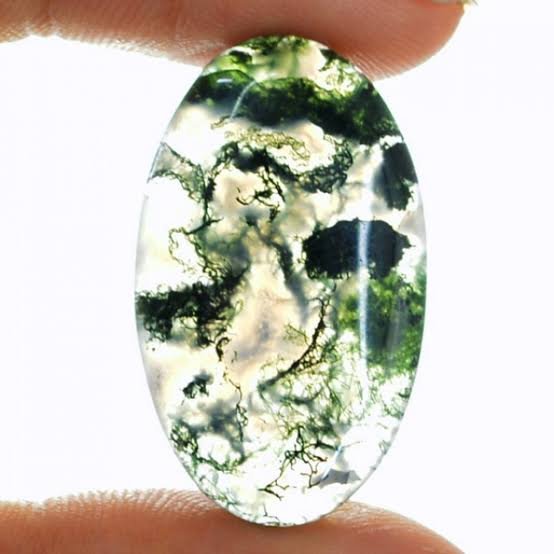

Emerald Stone: Complete Guide, Meaning, Properties, History, Uses, Value and Buying Tips
Introduction to Emerald Stone
Emerald is one of the most beautiful and valuable gemstones in the world. Famous for its rich green color, emerald has fascinated people for thousands of years. It belongs to the beryl family of minerals and gets its distinctive green color mainly from trace amounts of chromium, vanadium, or a combination of both.
Known for its elegant appearance and historical importance, emerald has long been associated with royalty, wealth, beauty, and luxury. Today, emerald remains one of the most popular gemstones used in rings, necklaces, earrings, bracelets, watches, and other fine jewelry.
The beauty of an emerald comes from more than just its color. Natural emeralds often contain internal features called inclusions. These inclusions are so common that the French sometimes refer to an emerald’s characteristic internal garden-like appearance as its “jardin.” Unlike many other gemstones, an emerald does not necessarily become less desirable simply because it contains inclusions. In fact, natural inclusions can help demonstrate that a gemstone is genuine.
In this comprehensive guide, we will explore everything you need to know about emerald stone, including its meaning, history, colors, properties, origins, types, value, benefits, jewelry uses, care instructions, identification methods, and buying tips.
What Is Emerald Stone?
Emerald is a green variety of the mineral beryl. Pure beryl is generally colorless, but trace elements can create different colors. When chromium, vanadium, or both are present in the crystal structure, the mineral can develop the green color associated with emerald.
The chemical formula of beryl is generally written as Be3Al2Si6O18. Emerald has the same basic structure, but its color comes from trace elements.
Emerald is considered one of the traditional “Big Four” precious gemstones, along with diamond, ruby, and sapphire. These four gemstones have historically received special recognition because of their beauty, rarity, durability, and importance in jewelry.
The finest emeralds are prized for a vivid, saturated green color. Color is often one of the most important factors in determining an emerald’s beauty and value.
Emerald Stone Meaning
Emerald has been given many meanings throughout history and across different cultures.
The gemstone is commonly associated with:
- Love
- Renewal
- Growth
- Prosperity
- Wisdom
- Hope
- Beauty
- Loyalty
- Fresh beginnings
Because of its green color, emerald is often connected symbolically with nature, spring, plants, and renewal. Its rich green appearance can also represent abundance and prosperity.
Different cultures have developed their own traditions surrounding emerald. Historically, people have attributed various symbolic qualities to the gemstone, although these traditional beliefs should not be confused with scientifically established properties.
Emerald Stone History
Emerald has a long and fascinating history. Ancient civilizations valued green gemstones for their beauty and rarity.
Some of the most historically famous emerald deposits are located in Colombia. Colombian emeralds have been highly prized for centuries because of their beautiful green color and distinctive characteristics.
The ancient Egyptians also valued emeralds. Historical sources indicate that emeralds were mined in Egypt for many centuries. Cleopatra is famously associated with emeralds, and emeralds played an important role in the jewelry and decorative traditions of ancient Egypt.
Emeralds were also important in ancient cultures across Asia, Europe, and the Americas.
When Spanish explorers encountered emerald-rich regions of South America, they brought Colombian emeralds to Europe and other parts of the world. This helped increase the gemstone’s international popularity.
Today, emeralds are mined in several countries, including Colombia, Zambia, Brazil, Ethiopia, and others.
Why Is Emerald Green?
Emerald’s green color is caused by trace elements incorporated into the beryl crystal structure.
Chromium and vanadium are particularly important in producing the characteristic green color.
The exact appearance of an emerald can vary considerably. Some emeralds are light green, while others display a deep, intense green. The most highly valued stones generally show a strong, vivid green color with good saturation and an attractive tone.
Color is especially important when evaluating emerald quality.
A gemstone that is too pale may have less visual impact, while a gemstone that is extremely dark may lose some of its brightness. The ideal appearance is often a balanced combination of hue, tone, and saturation.
Emerald Stone Color
Although emerald is best known for green, not every green beryl qualifies as an emerald in the commercial and gemological sense.
Emerald colors can range from:
- Light green
- Medium green
- Bluish green
- Yellowish green
- Deep green
- Vivid green
Fine emeralds usually have a strong green color that remains attractive under different lighting conditions.
One of the most desirable characteristics is an intense green hue combined with good transparency and brightness.
Emerald Stone Properties
Emerald is a relatively durable gemstone, but it requires more care than some other popular gemstones.
Chemical Composition
Emerald belongs to the beryl family.
Its chemical composition is based on beryllium aluminum silicate, with trace elements responsible for its green color.
Hardness
Emerald generally has a Mohs hardness of approximately 7.5 to 8.
This means emerald is reasonably resistant to scratching, making it suitable for jewelry. However, hardness is not the same as toughness.
Toughness
Emerald can be more vulnerable to damage than its hardness might suggest because natural emeralds commonly contain inclusions and internal fractures.
For this reason, emerald jewelry should be handled carefully.
Crystal System
Emerald belongs to the hexagonal crystal system.
Transparency
Emeralds can range from transparent to translucent. High-quality transparent emeralds are particularly valuable.
Emerald Inclusions
One of the most interesting features of natural emeralds is their inclusions.
Inclusions are internal characteristics trapped inside a gemstone as it forms. They can include:
- Mineral crystals
- Tiny fluid-filled cavities
- Internal fractures
- Growth patterns
- Other natural features
Emerald inclusions are often described as a “jardin,” meaning garden in French, because they can create a garden-like visual effect.
While excessive inclusions can reduce transparency and durability, some inclusions are expected in natural emeralds.
A completely clean emerald is extremely rare, especially among high-quality natural stones.
Natural Emerald vs Lab-Grown Emerald
Emeralds can occur naturally in the earth, but laboratory-grown emeralds can also be produced.
Natural Emerald
A natural emerald forms through geological processes over a very long period of time.
Natural emeralds commonly contain inclusions and other identifying characteristics.
Lab-Grown Emerald
Laboratory-grown emeralds are created using controlled processes designed to reproduce the conditions under which emerald crystals form.
Lab-grown emeralds can have excellent color and clarity and may be more affordable than comparable natural stones.
Neither should automatically be confused with imitation glass or plastic. A lab-grown emerald can be a genuine emerald material even though it was not formed naturally in the earth.
When purchasing an emerald, it is important to understand whether the stone is natural, laboratory-grown, treated, or an imitation.
Major Emerald Sources Around the World
Emeralds are found in several important regions around the world.
Colombian Emeralds
Colombia is one of the world’s most famous emerald-producing countries.
Colombian emeralds are renowned for their rich green color and exceptional reputation in the international gemstone market.
Important Colombian mining areas include Muzo, Chivor, and Coscuez.
Zambian Emeralds
Zambia is another major source of emeralds.
Zambian emeralds often display attractive green colors and can have different visual characteristics from Colombian emeralds.
Zambia has become one of the world’s major emerald-producing regions.
Brazilian Emeralds
Brazil also produces emeralds. Brazilian stones can vary considerably in color, clarity, and quality.
Brazil is an important source of many different gemstones, including emerald.
Ethiopian Emeralds
Ethiopia has emerged as an important source of emeralds in recent years.
Ethiopian emeralds can show attractive green colors and may offer interesting alternatives to emeralds from more traditional sources.
Other Sources
Emeralds have also been found in countries and regions including:
- Afghanistan
- Pakistan
- Russia
- Madagascar
- India
- Tanzania
- Zimbabwe
Each mining locality can produce stones with its own geological characteristics.
Colombian Emerald vs Zambian Emerald
Colombian and Zambian emeralds are two of the best-known types in the gemstone market.
Colombian emeralds are often famous for their vibrant green color and historical reputation.
Zambian emeralds can display strong green colors and are often known for good transparency in suitable material.
However, it is important not to assume that every Colombian emerald is better than every Zambian emerald. Individual stone quality matters greatly.
Factors such as color, clarity, transparency, size, treatment, origin, and craftsmanship all affect value.
How Emeralds Are Graded
Emerald grading differs somewhat from diamond grading.
For diamonds, clarity is usually evaluated with strong emphasis on internal and external characteristics. Emeralds are naturally included, so the evaluation process must account for their unique appearance.
Important factors include:
- Color
- Clarity
- Transparency
- Cut
- Carat weight
- Origin
- Treatment
- Overall appearance
Color is often one of the most important considerations.
A smaller emerald with exceptional color can sometimes be more desirable than a larger emerald with weak color.
Emerald Stone and the Four Cs
The four Cs are commonly used to describe gemstones:
Color
Color is extremely important for emerald.
The best emeralds generally have attractive green color with good saturation and tone.
Clarity
Natural emeralds commonly contain inclusions. Excessive inclusions can reduce transparency and durability, but some inclusions are expected.
Cut
The cut determines how effectively the gemstone displays its color and beauty.
Emeralds are often cut into a rectangular step cut known as the emerald cut.
Carat Weight
Carat measures gemstone weight.
Larger high-quality emeralds can become increasingly rare and valuable.
What Is an Emerald Cut?
The emerald cut is a rectangular or square step cut that was historically developed to complement emeralds.
Its broad, flat facets can showcase the gemstone’s color and clarity while reducing stress on the stone’s corners.
Emerald-cut gemstones often have:
- Long rectangular facets
- Cut corners
- Broad surfaces
- Step-like internal facets
Although the emerald cut is strongly associated with emeralds, the style can also be used for diamonds and other gemstones.
Other Emerald Cuts
Emeralds can be cut into many different shapes.
Popular options include:
- Emerald cut
- Oval
- Round
- Cushion
- Pear
- Heart
- Cabochon
- Square
- Mixed cuts
The best cut depends on the rough crystal, its inclusions, color distribution, and the desired final appearance.
A skilled cutter must balance beauty with weight retention.
Emerald Stone Jewelry
Emerald is widely used in fine jewelry.
Emerald Rings
Emerald rings are popular for both everyday fashion and special occasions.
Because emerald can be vulnerable to impact and fractures, protective settings can be beneficial.
Bezel settings and protective prong arrangements may help reduce exposure to accidental impacts.
Emerald Necklaces
Emerald necklaces can create a classic and luxurious appearance.
Designers may use a single emerald pendant or combine multiple emerald stones.
Emerald Earrings
Emerald earrings are another popular choice.
Stud earrings can provide a simple appearance, while dangling designs can create a more dramatic look.
Emerald Bracelets
Emerald bracelets can be elegant but require careful handling because gemstones may experience repeated impacts during everyday activities.
Emerald Engagement Rings
Emerald engagement rings have become popular among people who want something different from traditional diamond designs.
However, emerald’s durability characteristics should be considered before choosing it for a ring intended for frequent daily wear.
Emerald Stone Price
The price of emerald can vary dramatically.
There is no single fixed price for all emeralds.
Important price factors include:
- Color
- Clarity
- Transparency
- Carat weight
- Origin
- Treatment
- Cut
- Certification
- Overall beauty
High-quality natural emeralds can be extremely valuable.
Rare stones with exceptional color, transparency, size, and provenance can command very high prices.
Lower-quality emeralds can be considerably more affordable.
For this reason, buyers should evaluate each gemstone individually rather than relying only on its weight or country of origin.
Why Are Some Emeralds So Expensive?
Emeralds can be expensive because high-quality material is rare.
Large emerald crystals with vivid color, good transparency, and attractive clarity are difficult to find.
Natural formation conditions are complex, and many emerald crystals contain significant inclusions or fractures.
As a result, a high-quality emerald that combines desirable characteristics can be considerably rarer than an ordinary emerald.
Historical importance and famous origins can also influence market demand.
Emerald Treatments
Many emeralds available in the jewelry market have undergone treatment.
The most common treatment is fracture filling, often using oils or other substances.
The purpose is generally to improve the apparent clarity of the gemstone by reducing the visibility of surface-reaching fractures.
Treatment is an important factor when buying emerald.
A reputable seller should disclose known treatments.
Buyers should ask whether an emerald is:
- Natural
- Treated
- Untreated
- Lab-grown
- Imitation
These distinctions can significantly affect value.
Oiled Emeralds
Oiling is a traditional treatment associated with emeralds.
A gemstone may be placed in an appropriate oil or filling material to improve the appearance of fractures.
Oiling does not necessarily mean that an emerald is fake. Many natural emeralds are treated.
However, treatment level and material should be considered when comparing prices.
An untreated emerald with excellent color and clarity can be particularly rare and valuable.
How to Identify a Natural Emerald
Identifying a natural emerald accurately can require professional gemological testing.
Some basic visual clues can be useful, but they cannot replace laboratory examination.
Potential signs include:
- Natural-looking inclusions
- Characteristic color
- Crystal growth features
- Appropriate optical properties
- Natural internal structures
However, synthetic emeralds and treated stones can sometimes look very convincing.
For expensive purchases, an independent laboratory report is strongly recommended.
Emerald Certification
A gemstone certificate can provide important information about an emerald.
Depending on the laboratory, a report may identify:
- Whether the stone is natural or laboratory-grown
- Gemstone species
- Treatment status
- Sometimes geographic origin
- Other identifying characteristics
When purchasing an expensive emerald, buyers should consider obtaining a report from a reputable independent gemological laboratory.
How to Buy an Emerald Stone
Buying an emerald requires careful consideration.
1. Look at Color First
Start by examining the green color.
Look for a color that is attractive, lively, and well saturated.
2. Examine Transparency
Transparency can have a major impact on appearance.
A stone that allows light to move through it can look more vibrant.
3. Check Inclusions
Remember that inclusions are common in natural emeralds.
The goal is not necessarily to find a completely flawless stone but to find a good balance between clarity, beauty, and durability.
4. Ask About Treatment
Always ask whether the stone has been treated.
5. Confirm the Weight
Check the carat weight and dimensions.
6. Request Documentation
For valuable stones, consider requesting a professional gemological report.
7. Compare Multiple Stones
Do not buy the first emerald you see.
Compare color, clarity, transparency, cut, treatment, and price.
How to Care for Emerald Jewelry
Emerald jewelry requires careful maintenance.
Because emeralds can contain fractures and are commonly treated, harsh cleaning methods should be avoided.
Avoid Harsh Chemicals
Keep emerald jewelry away from strong chemicals and cleaning agents.
Avoid Ultrasonic Cleaners
Ultrasonic cleaning can potentially damage some emeralds, particularly stones with fractures or certain treatments.
Avoid Steam Cleaning
Steam can also be unsuitable for some emerald jewelry.
Use Gentle Cleaning
A safer general approach is gentle cleaning with lukewarm water, mild soap, and a soft cloth, unless the jeweler or laboratory report recommends otherwise.
Store Separately
Store emerald jewelry separately from harder gemstones to reduce the risk of scratches.
A soft jewelry pouch or lined box can help protect the gemstone.
Emerald Stone in Different Cultures
Emerald has been admired by many cultures throughout history.
In ancient Egypt, emerald was associated with fertility, life, and renewal.
In some historical traditions, emerald was associated with love, wisdom, and protection.
In South American cultures, emeralds were highly valued long before European contact.
The gemstone’s symbolic meaning has changed across time, but its association with beauty and prosperity has remained strong.
Emerald Stone and Birthstones
Emerald is traditionally associated with the month of May.
For people born in May, emerald is commonly recognized as the birthstone.
This makes emerald a popular choice for birthday gifts, birthstone jewelry, and personalized jewelry designs.
Its bright green color also makes it particularly suitable for spring-themed jewelry.
Emerald as a Symbol of Love
Emerald has long been associated with love and loyalty.
Its green color has inspired associations with renewal and lasting relationships.
Today, emerald jewelry is often given as a meaningful gift for anniversaries, birthdays, engagements, and other special occasions.
Emerald’s symbolism is ultimately personal, and people may choose it simply because they appreciate its color and beauty.
Emerald Stone and Astrology
Emerald is traditionally associated with the planet Mercury in some systems of astrology, particularly Vedic astrology.
Astrological traditions may connect emerald with qualities such as communication, intelligence, learning, and reasoning.
These are traditional beliefs rather than scientifically established effects.
Anyone interested in gemstone astrology should treat such claims as cultural or spiritual traditions rather than medical or scientific facts.
Emerald Stone Benefits: Traditional Beliefs
Throughout history, emerald has been associated with various symbolic benefits.
Traditional beliefs sometimes describe emerald as a stone of:
- Wisdom
- Growth
- Hope
- Renewal
- Prosperity
- Communication
- Emotional balance
There is no scientific evidence that wearing an emerald produces medical or psychological effects.
The value of emerald as a gemstone comes from its natural beauty, rarity, craftsmanship, historical significance, and cultural symbolism.
Emerald Stone for Home Decor
Emerald is primarily used in jewelry, but emerald-colored decorative objects are also popular.
The rich green color can be incorporated into:
- Interior design
- Decorative boxes
- Artwork
- Accessories
- Furniture accents
- Fashion
- Home decoration
However, genuine emerald is relatively rare and expensive, so many decorative products use emerald-colored glass, crystals, or other materials instead.
Emerald Stone in Fashion
Emerald green has remained a popular color in fashion.
Emerald-colored clothing, handbags, shoes, accessories, and jewelry can create an elegant appearance.
The color works particularly well in both classic and modern designs.
Natural emerald jewelry can also be paired with metals such as:
- Yellow gold
- White gold
- Rose gold
- Platinum
- Silver
The choice of metal depends on personal style and the color of the gemstone.
Emerald and Gold Jewelry
Emerald and gold are a classic combination.
Yellow gold can create a warm contrast with the green stone.
White gold and platinum can create a more modern appearance.
Rose gold offers another contemporary option.
There is no universally correct metal choice. The best option depends on the emerald’s color and the wearer’s preferred style.
Emerald and Diamond Jewelry
Emeralds are frequently combined with diamonds.
Diamonds can be used as accent stones around an emerald center stone.
This combination is popular in:
- Engagement rings
- Earrings
- Pendants
- Bracelets
- Statement rings
The contrast between the green emerald and bright diamond accents can create a striking design.
Famous Emeralds
Throughout history, several remarkable emeralds have attracted attention because of their size, history, or quality.
Large emerald crystals and historically significant emerald objects can become important museum pieces and collector items.
Some famous emeralds have been carved into decorative objects rather than being used only as faceted gemstones.
Emerald carvings have been particularly important in various historical traditions.
Emerald Carvings
Emerald can be carved into decorative shapes.
Artists and gemstone carvers may create:
- Animals
- Flowers
- Symbols
- Faces
- Decorative objects
- Cabochons
Carving requires considerable skill because emerald can contain internal fractures.
Historical emerald carvings can be especially interesting to collectors.
Emerald Collecting
Emerald collecting can be a fascinating hobby.
Collectors may focus on:
- Exceptional color
- Large crystals
- Rare origins
- Untreated specimens
- Historical pieces
- Unusual inclusions
- Fine cuts
- Emerald rough
A collector should learn about gemology and purchase from reputable dealers.
Documentation can be particularly important when purchasing expensive specimens.
Emerald Rough Stone
Before cutting, emerald exists as a rough crystal.
Rough emerald crystals can have irregular shapes and may contain visible fractures or inclusions.
A cutter studies the rough material carefully to determine the best cutting direction.
The goal is to produce a finished gemstone with attractive color and maximum practical value while preserving as much useful material as possible.
Emerald Mining
Emerald mining can be challenging because emerald deposits often occur in complex geological environments.
Mining methods vary depending on the deposit.
Some emeralds are recovered from relatively shallow deposits, while others require more complex extraction techniques.
Mining communities can play an important role in the gemstone supply chain.
Responsible sourcing and ethical mining practices are increasingly important considerations for modern gemstone buyers.
Ethical Emerald Sourcing
Consumers are increasingly interested in where gemstones come from and how they are produced.
Ethical sourcing can involve questions such as:
- Where was the emerald mined?
- Was the mining legal?
- Were workers treated fairly?
- Was environmental damage minimized?
- Can the seller provide information about the supply chain?
When purchasing valuable gemstones, buyers can ask sellers about responsible sourcing practices.
Emerald Stone vs Other Green Gemstones
Emerald is not the only green gemstone.
Other green gemstones include:
- Green tourmaline
- Peridot
- Green sapphire
- Tsavorite garnet
- Jade
- Green quartz
- Chrome diopside
Each gemstone has its own chemical composition, hardness, color characteristics, rarity, and market value.
Emerald is particularly famous because of its historical significance, distinctive green color, and status as one of the traditional precious gemstones.
Emerald vs Jade
Emerald and jade can both display beautiful green colors, but they are very different materials.
Emerald is a beryl gemstone.
Jade refers primarily to two different minerals: jadeite and nephrite.
Jade is often valued for toughness and cultural importance, while emerald is famous for its color, transparency, and use in fine jewelry.
Emerald vs Peridot
Peridot is another popular green gemstone.
Peridot usually has a yellowish-green appearance, while emerald typically displays a stronger pure green color.
They also differ chemically and structurally.
Both can be beautiful choices, but emerald generally has a stronger historical reputation as a luxury gemstone.
Emerald vs Green Tourmaline
Green tourmaline can be visually similar to emerald in some cases.
However, tourmaline has different optical and physical properties.
Green tourmaline can sometimes provide an attractive alternative for people who want a green gemstone but have a different budget or style preference.
Emerald Stone for Jewelry Investment
Some people purchase emerald jewelry because they hope it will increase in value.
However, gemstones should not automatically be treated as guaranteed investments.
Prices can vary depending on market conditions, quality, provenance, treatment, and buyer demand.
If someone is purchasing an emerald primarily as a collectible asset, professional advice and independent documentation are important.
How to Store Emerald Stone
Proper storage helps protect emerald jewelry.
Keep emerald pieces:
- In a soft pouch
- In a lined jewelry box
- Away from harder gemstones
- Away from extreme temperatures
- Away from harsh chemicals
Avoid allowing emerald jewelry to knock against other jewelry pieces.
For valuable emeralds, individual storage is especially useful.
Common Emerald Buying Mistakes
New buyers sometimes make avoidable mistakes.
Mistake 1: Focusing Only on Size
A large emerald is not automatically better.
Color and overall quality are extremely important.
Mistake 2: Ignoring Treatment
Treatment can significantly affect value.
Always ask about it.
Mistake 3: Assuming Every Green Stone Is Emerald
Many green gemstones can resemble emerald.
Professional identification is important for expensive purchases.
Mistake 4: Buying Without Documentation
For high-value emeralds, certification can provide useful protection.
Mistake 5: Expecting Perfect Clarity
Natural emeralds commonly contain inclusions.
A completely flawless natural emerald can be exceptionally rare.
Frequently Asked Questions About Emerald Stone
Is emerald a precious gemstone?
Yes. Emerald is traditionally classified as one of the world’s major precious gemstones, along with diamond, ruby, and sapphire.
What color is emerald?
Emerald is generally green, ranging from lighter green to deep and vivid green.
Is emerald rare?
High-quality natural emerald is relatively rare, especially stones with excellent color, transparency, size, and minimal problematic inclusions.
What is emerald made of?
Emerald is a green variety of beryl. Its chemical composition is based on beryllium aluminum silicate, with trace elements producing its green color.
Is emerald hard?
Emerald has a Mohs hardness of approximately 7.5 to 8, but its internal inclusions and fractures can make it more vulnerable to damage than hardness alone suggests.
Can emerald be worn every day?
Emerald can be worn regularly, but it requires more care than some other gemstones. Rings may be especially exposed to impact.
Can emerald go in an ultrasonic cleaner?
Ultrasonic cleaning is generally not recommended for emeralds because fractures and treatments can make them vulnerable to damage.
Can emerald be cleaned with soap?
A gentle cleaning method using mild soap and lukewarm water may be suitable for many emeralds, but care should be taken because treatments vary.
What is the most famous emerald-producing country?
Colombia is one of the world’s most famous emerald-producing countries, while Zambia is also a major producer.
Is Colombian emerald better than Zambian emerald?
Not automatically. Individual gemstone quality matters more than country alone. Color, clarity, transparency, treatment, size, and overall appearance should all be considered.
Why do emeralds have inclusions?
Emeralds commonly develop inclusions during their natural geological formation. These inclusions can be characteristic of natural emeralds.
What is emerald oiling?
Emerald oiling is a traditional treatment in which oil or another filling material is used to reduce the visible appearance of fractures and improve apparent clarity.
Is treated emerald real emerald?
A natural emerald can still be a genuine emerald even if it has received a treatment. Treatment should simply be disclosed because it can affect value.
Is lab-grown emerald real?
Laboratory-grown emerald is created artificially rather than naturally, but it can have the same basic mineral identity as natural emerald. It should be clearly disclosed as laboratory-grown.
What is the emerald birthstone month?
Emerald is traditionally the birthstone for May.
What does emerald symbolize?
Emerald is commonly associated with love, renewal, growth, hope, prosperity, wisdom, and loyalty.
Is emerald suitable for an engagement ring?
Emerald can be used in engagement rings, but its susceptibility to fractures means the setting and everyday care are particularly important.
Tips for Choosing the Best Emerald Stone
If you are choosing an emerald for jewelry, start with the stone’s appearance rather than focusing only on technical numbers.
Look for a pleasing green color.
Then examine transparency and inclusions.
Next, consider the cut and proportions.
Ask about treatments.
Finally, compare prices from reputable sellers and consider independent certification for expensive stones.
A beautiful emerald does not have to be the largest emerald. The most important thing is finding a stone with an attractive combination of color, transparency, cut, and character.
The Future of Emerald Jewelry
Emerald jewelry continues to remain popular in modern fashion.
Designers are experimenting with both traditional and contemporary styles.
Modern emerald jewelry includes minimalist rings, vintage-inspired pieces, large statement necklaces, colorful gemstone combinations, and custom-designed jewelry.
As consumers become more interested in ethical sourcing and gemstone transparency, information about origin and treatment is likely to remain increasingly important.
Emerald’s timeless green color also ensures that it can work across different fashion trends.
Conclusion
Emerald stone is one of the world’s most fascinating gemstones. Its rich green color, long history, natural inclusions, rarity, and connection with royalty have made it a favorite for generations.
From the famous emerald mines of Colombia and Zambia to modern jewelry stores around the world, emerald continues to attract collectors, designers, and gemstone enthusiasts.
When choosing an emerald, it is important to look beyond size. Color, transparency, clarity, cut, carat weight, treatment, origin, and overall beauty all contribute to the gemstone’s value.
Natural emeralds often contain inclusions, and these characteristics can be part of their natural identity and charm. Because emeralds may also be treated, buyers should ask questions and seek professional documentation when purchasing valuable stones.
With proper care, emerald jewelry can remain beautiful for many years. Whether you choose an emerald ring, necklace, bracelet, earrings, or a loose gemstone, its distinctive green color can add timeless elegance to any collection.
Emerald is more than simply a green gemstone. It is a mineral formed through fascinating geological processes, a gemstone with thousands of years of history, and a symbol that has been associated with growth, renewal, beauty, love, and prosperity.
For anyone interested in gemstones, jewelry, geology, history, or luxury accessories, emerald remains a fascinating subject worthy of exploration.
SEO Keywords
Primary Keyword:
Emerald Stone
Secondary Keywords:
Emerald gemstone, natural emerald stone, emerald stone meaning, emerald stone price, emerald jewelry, emerald gemstone benefits, emerald stone properties, Colombian emerald, Zambian emerald, emerald birthstone, green emerald stone, natural emerald, emerald ring, emerald necklace, emerald earrings, emerald stone value, emerald treatment, emerald inclusions, emerald buying guide.
Long-Tail SEO Keywords:
- What is emerald stone?
- Emerald stone meaning and properties
- How much is emerald stone worth?
- How to identify a natural emerald
- Best emerald stone for jewelry
- Colombian emerald vs Zambian emerald
- How to care for emerald jewelry
- Emerald stone birthstone meaning
- Natural emerald stone buying guide
- What makes an emerald valuable?
- How emerald stones are formed
- Emerald stone colors and types
- Emerald gemstone history
- How to clean emerald jewelry
- Is emerald good for an engagement ring?
Suggested SEO Title
Emerald Stone: Meaning, Properties, History, Types, Price & Buying Guide
Meta Description
Discover everything about emerald stone, including its meaning, history, properties, colors, types, value, origins, treatments, jewelry uses, care tips, and buying guide.
Suggested URL Slug
emerald-stone
Suggested H1
Emerald Stone: Complete Guide to Meaning, Properties, History, Value and Uses