Tiger’s Eye Stone: Meaning, Properties, Benefits, Uses, Colors, Value and Complete Guide
Introduction to Tiger’s Eye Stone
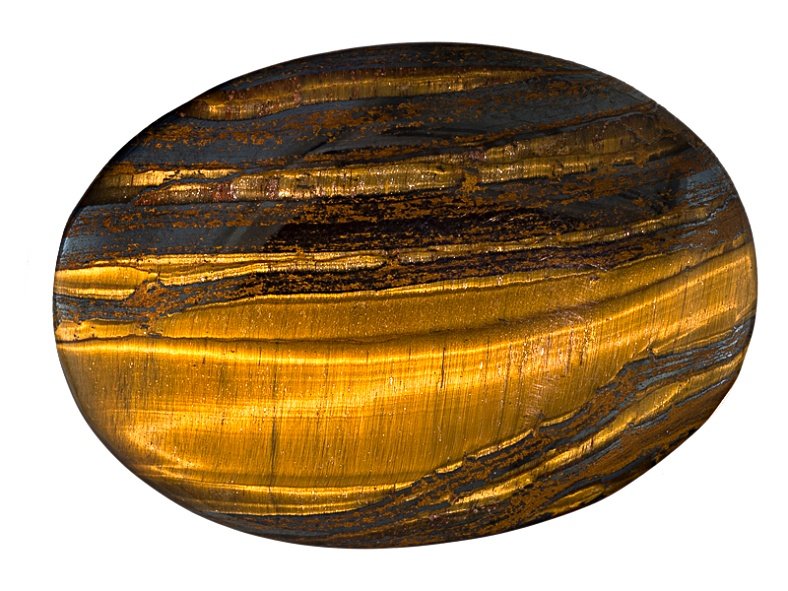
Tiger’s Eye stone is one of the most fascinating and recognizable gemstones in the world. Known for its silky golden-brown appearance and striking cat-eye effect, Tiger’s Eye has been admired for centuries because of its natural beauty, unique patterns, and warm earthy colors. When light moves across the surface of a polished Tiger’s Eye gemstone, it creates a bright band that resembles the eye of a tiger. This optical effect is known as chatoyancy.
Tiger’s Eye is popular among gemstone collectors, jewelry lovers, crystal enthusiasts, interior decorators, and people who appreciate natural stones. It is commonly used to make rings, bracelets, necklaces, pendants, earrings, beads, cabochons, carvings, decorative objects, and collector specimens.
The stone is also surrounded by cultural traditions and historical beliefs. In different traditions, Tiger’s Eye has been associated with confidence, courage, focus, protection, balance, and strength. These traditional meanings are part of the cultural history of the gemstone and should not be confused with scientifically proven medical effects.
From a geological perspective, Tiger’s Eye is a form of quartz that develops through a fascinating transformation process involving fibrous mineral structures. Its unusual appearance makes it especially interesting to both gemstone enthusiasts and geology lovers.
In this complete guide, we will explore what Tiger’s Eye is, how it forms, its colors, physical properties, meaning, history, uses, value, care instructions, authenticity, jewelry applications, and frequently asked questions.
What Is Tiger’s Eye Stone?
Tiger’s Eye is a chatoyant variety of quartz. The word “chatoyant” comes from a French expression associated with the appearance of a cat’s eye. The name describes the narrow, moving band of reflected light that appears across the surface of the stone.
Tiger’s Eye typically has a golden-brown to reddish-brown color with silky bands. Some specimens may also contain darker brown, black, reddish, or yellow areas. The combination of colors and chatoyant fibers gives the gemstone its distinctive tiger-like appearance.
The gemstone belongs to the quartz family, which includes many popular varieties such as amethyst, rose quartz, smoky quartz, citrine, and clear quartz.
One of the most important characteristics of Tiger’s Eye is its optical effect. A properly cut and polished cabochon can display a bright line of light that moves across the stone as the viewing angle changes.
This effect is one of the main reasons Tiger’s Eye is so popular in jewelry.
Tiger’s Eye Stone Meaning
Tiger’s Eye has many traditional symbolic meanings. Throughout history, people have associated the gemstone with qualities such as courage, confidence, determination, strength, and protection.
The warm golden-brown color is often connected symbolically with sunlight, earth, stability, and personal strength. Because of its resemblance to the eye of a tiger, the gemstone has also developed associations with bravery and alertness.
In modern crystal traditions, Tiger’s Eye is often described as a stone of confidence and grounding. Some people keep it as a personal symbolic object when they want to remind themselves to remain focused and determined.
However, these meanings are cultural and spiritual beliefs rather than established scientific facts. There is no reliable scientific evidence that Tiger’s Eye can treat diseases or produce supernatural effects.
Its value as a gemstone comes primarily from its natural beauty, durability, optical properties, craftsmanship, and cultural significance.
History of Tiger’s Eye Stone
Tiger’s Eye has been appreciated for a long time because of its unusual appearance. Ancient and traditional cultures often assigned symbolic meanings to stones that displayed unusual colors or optical effects.
The gemstone became particularly popular as decorative material and jewelry because it can be polished to reveal its attractive chatoyant surface.
As gemstone cutting and mineral collecting developed, Tiger’s Eye became increasingly recognized as an interesting quartz variety.
Its appearance also made it popular for carved objects. Skilled craftsmen can shape Tiger’s Eye into animals, spheres, pyramids, hearts, figurines, cabochons, and other decorative forms.
Today, Tiger’s Eye remains a widely available gemstone and is especially popular among people who enjoy natural-looking jewelry.
How Does Tiger’s Eye Form?
The formation of Tiger’s Eye is one of the most interesting aspects of the gemstone.
Tiger’s Eye develops from a fibrous mineral material that undergoes mineral replacement and transformation over geological periods. During this process, quartz can replace earlier fibrous structures while preserving the original fibrous texture.
This preserved fibrous structure contributes to the stone’s chatoyant appearance.
The fibers inside the material are aligned in a way that allows light to reflect in a narrow band. When the stone is cut correctly, this produces the characteristic moving “cat-eye” effect.
The geological transformation responsible for Tiger’s Eye is an excellent example of how minerals can change over very long periods while preserving clues about their earlier structure.
Why Does Tiger’s Eye Have a Cat-Eye Effect?
The most recognizable feature of Tiger’s Eye is its chatoyancy.
Chatoyancy occurs when light interacts with parallel internal structures within a gemstone. In Tiger’s Eye, the alignment of fine fibrous material creates a reflective band.
When the gemstone is cut as a cabochon, the curved surface allows the reflected light to appear as a narrow bright line.
As the stone moves, the line appears to move as well.
This visual effect is similar to the appearance of a cat’s eye, which explains the term “chatoyancy.”
The quality of this effect can vary significantly from one Tiger’s Eye specimen to another.
Some stones display a sharp, bright line, while others have a softer or wider effect.
Tiger’s Eye Stone Colors
Tiger’s Eye is best known for its golden-brown color, but natural specimens can show several related shades.
Golden Tiger’s Eye
Golden Tiger’s Eye is the classic variety. It typically displays golden yellow, honey, brown, and caramel tones.
This is one of the most popular forms because it strongly displays the traditional tiger-like appearance.
Brown Tiger’s Eye
Brown Tiger’s Eye has deeper earthy shades. It may appear chocolate brown, dark brown, or a mixture of brown and golden bands.
Red Tiger’s Eye
Red Tiger’s Eye displays reddish-brown or deep red tones. Some red material can occur naturally, while other material may be enhanced through heat treatment.
Blue Tiger’s Eye
Blue Tiger’s Eye, sometimes called Hawk’s Eye, represents an earlier stage in the transformation process associated with Tiger’s Eye.
It can display blue-gray, blue-black, or bluish tones with chatoyant bands.
Multi-Colored Tiger’s Eye
Some specimens contain mixtures of golden, brown, red, and blue tones. These stones can be particularly attractive because their natural color transitions create complex patterns.
Golden Tiger’s Eye vs Blue Tiger’s Eye
Golden Tiger’s Eye and Blue Tiger’s Eye are closely related but visually different.
Golden Tiger’s Eye is generally characterized by warm golden-brown colors, while Blue Tiger’s Eye has blue-gray or blue-black tones.
Blue Tiger’s Eye is often considered an earlier stage in the geological transformation associated with Tiger’s Eye.
Both varieties can display chatoyancy and can be used in jewelry and decorative objects.
Collectors may appreciate them for different reasons because their colors and appearances are quite distinct.
Physical Properties of Tiger’s Eye
Tiger’s Eye is a quartz gemstone, so it shares many characteristics with other quartz varieties.
Hardness
Tiger’s Eye has a Mohs hardness of approximately 7.
This makes it reasonably durable for jewelry and everyday decorative use, although it can still be scratched by harder materials.
Luster
Tiger’s Eye generally has a silky to vitreous luster. The silky appearance is particularly noticeable because of the internal fibrous structure.
Transparency
Tiger’s Eye is generally opaque to translucent rather than transparent.
Color
Typical colors include golden brown, yellow-brown, reddish brown, brown, and blue-gray.
Crystal System
Because Tiger’s Eye is a variety of quartz, it belongs to the trigonal crystal system.
Optical Effect
Its most important optical characteristic is chatoyancy.
Tiger’s Eye Stone Uses
Tiger’s Eye is used for many purposes because of its attractive appearance and reasonable durability.
Jewelry
Tiger’s Eye is widely used in:
- Rings
- Bracelets
- Necklaces
- Pendants
- Earrings
- Beaded jewelry
- Cufflinks
- Decorative jewelry pieces
Cabochon cuts are particularly common because they help display chatoyancy.
Carvings
Tiger’s Eye is also popular for carvings.
Artists may carve it into:
- Animals
- Hearts
- Spheres
- Pyramids
- Figurines
- Small sculptures
- Decorative ornaments
Collecting
Mineral collectors often appreciate Tiger’s Eye because of its geological history and optical properties.
Home Décor
Large polished pieces can be used as decorative objects in homes, offices, display cabinets, and collections.
Tiger’s Eye Stone in Jewelry
Tiger’s Eye is an excellent choice for people who prefer earthy and natural-looking jewelry.
Its golden-brown colors can work well with both casual and formal styles.
Tiger’s Eye bracelets are particularly popular because beads can display attractive variations in color and chatoyancy.
Pendant designs are also common because a larger polished cabochon can clearly show the gemstone’s moving light effect.
Tiger’s Eye rings can be beautiful as well, although proper care is important because everyday impacts may damage the polished surface or setting.
How to Choose a Good Tiger’s Eye Stone
If you are buying Tiger’s Eye, several factors can help you evaluate the gemstone.
1. Chatoyancy
Look for a clear and attractive moving band of light.
Strong chatoyancy is often one of the most desirable characteristics.
2. Color
Choose a color that matches your personal preference.
Golden-brown Tiger’s Eye is the classic option, while red and blue varieties offer different appearances.
3. Pattern
Natural Tiger’s Eye often contains attractive bands and color variations.
A balanced pattern can make the gemstone more visually appealing.
4. Polish
A high-quality polish should create a smooth, reflective surface.
5. Cracks and Damage
Inspect the stone carefully for visible cracks, chips, or major surface damage.
6. Size and Cut
Larger stones can display more complex patterns, while smaller stones are often ideal for bracelets and everyday jewelry.
Tiger’s Eye Stone Price and Value
The price of Tiger’s Eye can vary considerably.
Unlike extremely rare gemstones, Tiger’s Eye is generally an accessible gemstone. However, high-quality specimens with excellent chatoyancy, attractive color, good polish, and unusual patterns can command higher prices.
Factors affecting Tiger’s Eye value include:
- Color
- Chatoyancy
- Pattern
- Size
- Cut
- Polish
- Overall quality
- Origin
- Craftsmanship
- Rarity of a particular appearance
Jewelry prices also depend on the quality of the metal, design, workmanship, brand, and setting.
A simple Tiger’s Eye bead bracelet may be inexpensive, while a large, expertly cut collector specimen or fine jewelry piece can be considerably more valuable.
Is Tiger’s Eye Rare?
Tiger’s Eye is not generally considered an extremely rare gemstone.
It is relatively accessible compared with many precious gemstones.
However, not every piece has the same visual quality.
A specimen with strong chatoyancy, attractive colors, excellent polish, and interesting natural patterns may be much more desirable than an ordinary specimen.
Therefore, rarity and beauty should not be confused.
A common gemstone can still contain highly attractive individual specimens.
Where Is Tiger’s Eye Found?
Tiger’s Eye has been found in several parts of the world.
South Africa is especially well known for Tiger’s Eye deposits. Other occurrences have also been reported in countries and regions including Australia, India, Namibia, Brazil, and the United States.
Different locations can produce material with different colors, patterns, and visual characteristics.
The geological environment where the stone forms influences its appearance.
Tiger’s Eye Stone Benefits: Traditional Beliefs
Tiger’s Eye is frequently associated with several traditional symbolic benefits.
People who follow crystal traditions may associate it with:
- Confidence
- Courage
- Focus
- Determination
- Grounding
- Balance
- Protection
- Motivation
- Personal strength
These are traditional or spiritual associations rather than scientifically established effects.
It is important to understand that gemstones should not be considered substitutes for medical treatment or professional advice.
The appeal of these traditions often comes from the personal meaning people assign to natural objects.
Tiger’s Eye and Confidence
Tiger’s Eye is often described in crystal traditions as a “confidence stone.”
Its warm golden color and tiger-like appearance have contributed to this symbolism.
Some people keep Tiger’s Eye as a personal reminder to remain confident when facing challenges.
Whether someone believes in the traditional symbolism or simply enjoys the gemstone aesthetically, it can serve as a meaningful personal object.
Tiger’s Eye and Focus
Another common association is focus.
The stone’s strong central band and organized fibrous pattern can symbolically represent concentration and clarity.
Some people place Tiger’s Eye on their desk or carry a small stone as a reminder to stay focused on their goals.
Again, this is a personal and symbolic practice rather than a scientifically proven effect.
Tiger’s Eye and Protection Symbolism
Historically, many cultures have associated particular stones with protection.
Tiger’s Eye has also developed protective symbolism because of its tiger-like appearance and strong visual character.
Modern crystal enthusiasts may carry it as a symbolic protective stone.
The gemstone itself does not provide scientifically proven supernatural protection, but it can have cultural, decorative, or personal significance.
Tiger’s Eye for Meditation
Some people include Tiger’s Eye in meditation spaces.
A polished stone can be held, placed nearby, or used simply as a visual focal object.
The purpose is often to create a calm environment and establish a personal routine.
The relaxing experience comes from the meditation practice itself rather than a scientifically demonstrated energy emitted by the stone.
How to Clean Tiger’s Eye Stone
Proper care can help maintain the beauty of Tiger’s Eye.
For routine cleaning, use:
- Lukewarm water
- Mild soap
- A soft cloth
Gently clean the surface and rinse thoroughly.
Dry the stone with a soft cloth.
Avoid harsh chemicals and abrasive cleaners because they may damage the polish or jewelry setting.
If your Tiger’s Eye is mounted in jewelry, pay attention to the metal and other gemstones as well.
How to Store Tiger’s Eye
When not wearing Tiger’s Eye jewelry, store it separately from harder gemstones.
Although Tiger’s Eye has a Mohs hardness around 7, harder materials can scratch its surface.
A soft jewelry pouch or fabric-lined box is a good storage option.
Avoid throwing multiple gemstones together in one container because they can rub against each other.
Can Tiger’s Eye Go in Water?
Tiger’s Eye is generally durable enough to tolerate brief contact with ordinary water, but prolonged soaking is unnecessary.
For cleaning, a quick rinse followed by gentle drying is usually sufficient.
If Tiger’s Eye is part of a bracelet or necklace, the other materials may be less water-resistant.
For valuable jewelry, follow the care instructions provided by the jeweler.
Can Tiger’s Eye Be Exposed to Sunlight?
Short-term exposure to ordinary light is generally not a major concern for Tiger’s Eye.
However, unnecessary prolonged exposure to intense sunlight is best avoided for gemstone jewelry, especially when other materials are present.
Storing the stone in a cool, dry place when not in use is a simple way to protect it.
How to Identify Real Tiger’s Eye
Identifying genuine Tiger’s Eye can sometimes be difficult, particularly when dealing with polished stones.
Look for the following characteristics:
Natural Color Variation
Natural Tiger’s Eye commonly displays irregular bands and variations rather than perfectly uniform color.
Chatoyancy
A genuine Tiger’s Eye should generally show a characteristic silky, moving reflection when properly cut and viewed under suitable lighting.
Fibrous Appearance
Some stones may reveal natural internal structures or patterns associated with the material.
Weight and Feel
A genuine mineral specimen should have the physical characteristics expected of quartz, although weight alone is not enough to prove authenticity.
Professional Testing
For expensive specimens, professional gemological testing is the most reliable approach.
Fake Tiger’s Eye and Imitations
Because Tiger’s Eye is popular, imitations can sometimes appear in the marketplace.
Some artificial materials may imitate its color or chatoyant appearance.
Common warning signs include:
- Perfectly uniform patterns
- Unnatural color
- Very low price for an unusually large “rare” specimen
- Plastic-like appearance
- Repetitive patterns
- Suspiciously bright colors
However, visual inspection alone is not always sufficient.
If authenticity matters, buy from a reputable seller and request appropriate information about the gemstone.
Tiger’s Eye vs Cat’s Eye
Tiger’s Eye and cat’s-eye gemstones can both display chatoyancy, but they are not the same thing.
Tiger’s Eye is a quartz variety with a characteristic fibrous structure.
“Cat’s eye” can refer more generally to a chatoyant effect, but the term is also strongly associated with chrysoberyl cat’s eye, a different and often much more valuable gemstone.
Therefore, Tiger’s Eye should not automatically be confused with chrysoberyl cat’s eye.
Tiger’s Eye vs Hawk’s Eye
Hawk’s Eye is closely related to Tiger’s Eye.
Hawk’s Eye generally displays blue-gray or blue-black colors.
Tiger’s Eye is more commonly golden-brown or reddish-brown.
Both can show chatoyancy and are connected through geological transformation processes.
Some specimens may show transitional colors between Hawk’s Eye and Tiger’s Eye.
Tiger’s Eye vs Quartz
Tiger’s Eye is a variety of quartz, but its appearance is very different from clear quartz.
Clear quartz is typically transparent and colorless, while Tiger’s Eye is usually opaque to translucent and contains a fibrous structure that produces chatoyancy.
Both have a Mohs hardness around 7.
Popular Tiger’s Eye Jewelry Designs
Tiger’s Eye works well with many jewelry styles.
Tiger’s Eye Bracelet
Beaded bracelets are among the most common designs.
They are easy to wear and allow multiple beads to display different patterns.
Tiger’s Eye Pendant
A polished cabochon set in a pendant can highlight the gemstone’s chatoyant effect.
Tiger’s Eye Ring
Tiger’s Eye rings can create a bold natural look.
Because rings receive more physical contact, careful handling is recommended.
Tiger’s Eye Necklace
A Tiger’s Eye pendant can add a warm earthy appearance to a necklace.
Tiger’s Eye Earrings
Smaller polished stones can be used in earrings for a subtle gemstone accent.
Tiger’s Eye for Men’s Jewelry
Tiger’s Eye is particularly popular in men’s jewelry because its colors are earthy and neutral.
It can work well with:
- Leather bracelets
- Beaded bracelets
- Silver pendants
- Stainless steel jewelry
- Casual necklaces
- Minimalist rings
The combination of golden-brown stone and darker materials can create a strong, natural appearance.
Tiger’s Eye for Women’s Jewelry
Tiger’s Eye can also be used in elegant women’s jewelry.
Its warm colors can complement gold-toned, silver-toned, and mixed-metal designs.
Smaller beads and polished cabochons can create delicate jewelry, while larger stones can make a bold statement.
Tiger’s Eye as a Gift
Tiger’s Eye can make a meaningful gift for someone who enjoys gemstones, jewelry, nature, or mineral collecting.
It can be given for:
- Birthdays
- Anniversaries
- Graduations
- Personal achievements
- Special occasions
- Jewelry collections
Because the stone is traditionally associated with courage and confidence, some people choose it as a symbolic gift for someone beginning a new chapter.
Tiger’s Eye and Birthstones
Tiger’s Eye is not one of the traditional modern birthstones used for the standard calendar months.
However, people sometimes choose it as an alternative gemstone because of its attractive colors and symbolism.
Birthstone traditions can vary by culture, organization, and jewelry system, so people are free to choose gemstones based on personal preference.
Tiger’s Eye in Home Décor
Tiger’s Eye is not limited to jewelry.
Large polished pieces can be displayed in homes and offices.
Popular decorative forms include:
- Polished slabs
- Spheres
- Towers
- Hearts
- Pyramids
- Animal carvings
- Freeform specimens
The stone’s natural bands can create an attractive visual effect when displayed under suitable lighting.
Tiger’s Eye for Mineral Collectors
Collectors appreciate Tiger’s Eye because it combines mineralogical interest with strong visual appeal.
A good collection may include different colors and forms such as:
- Golden Tiger’s Eye
- Red Tiger’s Eye
- Blue Hawk’s Eye
- Mixed-color specimens
- Rough material
- Polished cabochons
- Carved specimens
Comparing different specimens can also help collectors understand how geological processes influence mineral appearance.
How Tiger’s Eye Is Cut
Tiger’s Eye is commonly cut as a cabochon.
A cabochon has a smooth, rounded surface rather than traditional gemstone facets.
This cutting style is particularly effective for chatoyant gemstones because it allows the internal fibers to reflect light in a visible band.
The direction of cutting is extremely important.
If the stone is cut incorrectly, the chatoyant effect may be weak or poorly positioned.
A skilled cutter attempts to orient the material so that the reflective band becomes as attractive as possible.
Why Cabochon Cut Is Best for Tiger’s Eye
Faceted gemstones are designed to reflect light through multiple flat surfaces.
Tiger’s Eye depends heavily on its internal fibrous structure and chatoyant effect.
A smooth curved cabochon surface allows the moving band of light to appear clearly.
That is why cabochon cutting is one of the most common choices for Tiger’s Eye.
Is Tiger’s Eye a Precious or Semi-Precious Stone?
Tiger’s Eye is generally classified as a semi-precious gemstone rather than one of the traditional precious gemstones.
The traditional precious gemstone category usually includes diamond, ruby, sapphire, and emerald.
However, the term “semi-precious” does not mean that a gemstone is unattractive or unimportant.
Tiger’s Eye is highly valued for its distinctive appearance, chatoyancy, accessibility, and decorative possibilities.
Does Tiger’s Eye Have Any Scientific Healing Properties?
There is no reliable scientific evidence that Tiger’s Eye can cure diseases, heal injuries, replace medication, or provide medically measurable healing effects.
Claims about energy healing, chakra balancing, disease treatment, or supernatural protection belong to spiritual and cultural traditions rather than established medical science.
Tiger’s Eye can certainly have personal meaning and may be used as part of relaxation or meditation routines, but it should not replace appropriate medical care.
Tiger’s Eye and Modern Crystal Culture
Tiger’s Eye has become especially popular in modern crystal culture.
Crystal enthusiasts often categorize stones according to traditional meanings, colors, and symbolic associations.
Tiger’s Eye is frequently associated with confidence, grounding, courage, and focus.
Whether someone views these ideas spiritually or simply appreciates the stone aesthetically, Tiger’s Eye remains one of the most recognizable crystals in the modern gemstone market.
Environmental and Ethical Considerations
Like many natural stones, Tiger’s Eye is extracted from geological deposits.
Responsible sourcing is important because mining can affect landscapes and local ecosystems.
When purchasing gemstone products, consumers can consider sellers who provide clear information about sourcing, treatment, and production practices.
Buying durable products and caring for them properly can also reduce unnecessary replacement and waste.
How to Wear Tiger’s Eye Every Day
Tiger’s Eye is versatile enough for everyday fashion.
A simple bracelet can work with casual clothing, while a polished pendant can complement a more formal outfit.
Because the stone has earthy colors, it can pair naturally with:
- Brown
- Black
- Beige
- White
- Blue
- Gray
- Earth tones
Its warm appearance makes it easy to combine with many styles.
Tiger’s Eye for a Natural Fashion Style
Tiger’s Eye is an excellent gemstone for people who prefer natural and earthy fashion.
Its colors resemble wood, soil, sunlight, and animal patterns.
Leather and natural fabrics can complement Tiger’s Eye particularly well.
The gemstone can therefore be used to create a rustic, outdoor-inspired, or minimalist appearance.
Common Questions About Tiger’s Eye Stone
Is Tiger’s Eye a real gemstone?
Yes. Tiger’s Eye is a natural quartz gemstone known for its characteristic chatoyancy.
What color is Tiger’s Eye?
The classic color is golden brown, but specimens can also appear reddish-brown, brown, yellow-brown, blue-gray, or mixed colors.
Is Tiger’s Eye expensive?
Tiger’s Eye is generally affordable compared with many precious gemstones, although high-quality specimens with excellent chatoyancy can be more valuable.
Is Tiger’s Eye durable?
Yes. With a Mohs hardness of approximately 7, it is reasonably durable, but it can still be scratched or damaged.
What is Tiger’s Eye good for?
As a gemstone, it is popular for jewelry, carvings, collections, and decoration. In traditional crystal culture, it is associated with confidence, courage, grounding, and focus.
Can Tiger’s Eye get wet?
Brief contact with ordinary water is generally not a major concern, but prolonged soaking is unnecessary.
How should Tiger’s Eye be cleaned?
Use lukewarm water, mild soap, and a soft cloth. Avoid harsh chemicals and abrasive cleaners.
What makes Tiger’s Eye special?
Its chatoyant effect is its most distinctive feature. The moving band of light gives the stone a tiger-eye appearance.
Is Red Tiger’s Eye natural?
Red Tiger’s Eye can occur naturally, although some commercially available red material may have been heat treated. Sellers should disclose treatments where applicable.
What is Blue Tiger’s Eye?
Blue Tiger’s Eye, often called Hawk’s Eye, is a blue-gray to blue-black chatoyant material closely related to Tiger’s Eye.
Tips for Buying Tiger’s Eye Online
Buying gemstones online requires attention to product descriptions and seller reputation.
Before purchasing, check:
- The seller’s reputation
- Clear photographs
- Stone dimensions
- Weight when available
- Whether the stone is natural
- Any disclosed treatments
- Return policies
- Customer reviews
- Product descriptions
- Whether the listed material is actually Tiger’s Eye
Be especially careful with listings that describe ordinary material as extremely rare without providing evidence.
Tiger’s Eye Stone Care Guide
A simple care routine can keep Tiger’s Eye attractive for many years.
Avoid:
- Harsh chemicals
- Abrasive cleaning products
- Strong impacts
- Extreme temperature changes
- Long exposure to unnecessary heat
- Storing it directly against harder gemstones
Instead:
- Clean it gently
- Store it separately
- Use a soft cloth
- Protect jewelry from hard impacts
- Inspect settings regularly
Proper care is especially important for rings because they are more exposed to accidental knocks.
Interesting Facts About Tiger’s Eye
Here are several interesting facts about this gemstone:
- Tiger’s Eye is a variety of quartz.
- Its most famous feature is chatoyancy.
- Its moving light resembles a cat’s eye.
- Golden-brown is its classic color.
- Blue Tiger’s Eye is closely related and often called Hawk’s Eye.
- Tiger’s Eye is commonly cut as a cabochon.
- It has a Mohs hardness of approximately 7.
- South Africa is an important source of Tiger’s Eye.
- It is popular in bracelets and pendants.
- It is also used for carvings and decorative objects.
- Natural Tiger’s Eye can show beautiful color bands.
- Some red material may be treated to enhance its color.
- Its appearance is created partly by its internal fibrous structure.
- It is widely collected by mineral enthusiasts.
- Its traditional symbolism includes courage and confidence.
Why Is Tiger’s Eye So Popular?
Tiger’s Eye combines several qualities that make a gemstone appealing.
First, it has a distinctive appearance that is easy to recognize.
Second, its chatoyancy creates movement and visual interest.
Third, its golden-brown color is versatile.
Fourth, it is reasonably durable.
Finally, it is generally more accessible than many rare gemstones.
These characteristics make Tiger’s Eye attractive to both beginners and experienced gemstone collectors.
The Beauty of Natural Tiger’s Eye
One of the greatest advantages of natural Tiger’s Eye is that no two pieces need to look exactly alike.
The bands can vary in thickness, color, direction, and intensity.
Some stones have a strong central golden stripe, while others display several layers of brown and gold.
This natural variation gives each specimen its own character.
For collectors, this individuality can be one of the most enjoyable aspects of owning Tiger’s Eye.
Tiger’s Eye Stone in the Future
Tiger’s Eye is likely to remain popular because its appearance is timeless.
Trends in jewelry may change, but natural gemstones with distinctive optical effects continue to attract attention.
Its combination of affordability, durability, natural patterns, and chatoyancy makes it suitable for jewelry designers, collectors, and decorative applications.
As consumers become more interested in natural materials and unique gemstones, stones such as Tiger’s Eye can continue to play an important role in the jewelry and mineral markets.
Final Thoughts on Tiger’s Eye Stone
Tiger’s Eye is a remarkable quartz gemstone recognized for its golden-brown colors, silky appearance, and fascinating chatoyant effect.
Its geological formation makes it especially interesting from a scientific and mineralogical perspective, while its traditional symbolism has given it a special place in gemstone culture.
Whether you appreciate Tiger’s Eye for its geology, jewelry potential, decorative beauty, collecting value, or traditional symbolism, it is easy to understand why this gemstone has remained popular.
A high-quality Tiger’s Eye specimen can display an impressive combination of golden bands, deep brown tones, silky reflections, and a moving line of light.
For jewelry lovers, its durability and earthy appearance make it a practical choice. For collectors, its geological history and visual characteristics make it an interesting mineral. For people who enjoy crystal traditions, it can serve as a personal symbol of confidence, courage, grounding, and determination.
Ultimately, the greatest attraction of Tiger’s Eye is its natural beauty. Its tiger-like appearance, unique optical effect, and wide range of uses make it one of the most recognizable and enjoyable gemstones to explore.
Frequently Asked Questions About Tiger’s Eye Stone
What is Tiger’s Eye stone?
Tiger’s Eye is a chatoyant variety of quartz recognized by its golden-brown color and silky moving band of reflected light.
What does Tiger’s Eye symbolize?
Traditionally, Tiger’s Eye is associated with courage, confidence, strength, focus, grounding, and protection.
Is Tiger’s Eye natural?
Yes, natural Tiger’s Eye occurs as a geological material. However, some commercial specimens may be treated, so sellers should disclose treatments.
What is the most common Tiger’s Eye color?
Golden-brown is the classic and most recognizable color.
Where is Tiger’s Eye found?
Important deposits are associated with South Africa, while material has also been found in several other countries.
Can Tiger’s Eye be used in jewelry?
Yes. It is commonly used in bracelets, necklaces, pendants, earrings, rings, and beaded jewelry.
What is chatoyancy?
Chatoyancy is an optical effect that creates a narrow moving band of light across a gemstone.
Is Tiger’s Eye good for everyday wear?
It is reasonably durable because quartz has a Mohs hardness of about 7, but jewelry should still be protected from strong impacts and scratches.
How do you clean Tiger’s Eye?
Clean it gently with lukewarm water, mild soap, and a soft cloth.
Is Tiger’s Eye valuable?
Its value depends on factors such as color, chatoyancy, size, quality, cut, polish, and craftsmanship. It is generally an accessible gemstone, although exceptional specimens can be more valuable.
SEO Information
SEO Title: Tiger’s Eye Stone: Meaning, Properties, Benefits, Uses and Value
Meta Description: Discover everything about Tiger’s Eye stone, including its meaning, colors, properties, chatoyancy, benefits, uses, value, history, care tips and how to identify genuine Tiger’s Eye.
Focus Keyword: Tiger’s Eye Stone
Secondary Keywords:
- Tiger’s Eye stone meaning
- Tiger’s Eye gemstone
- Tiger’s Eye properties
- Tiger’s Eye benefits
- Tiger’s Eye stone price
- Tiger’s Eye colors
- Golden Tiger’s Eye
- Red Tiger’s Eye
- Blue Tiger’s Eye
- Tiger’s Eye jewelry
- Tiger’s Eye crystal
- Tiger’s Eye stone uses
- Tiger’s Eye care
- Tiger’s Eye gemstone value
- What is Tiger’s Eye stone
- How to identify Tiger’s Eye
Suggested URL Slug:tigers-eye-stone
Suggested H1:
Tiger’s Eye Stone: Meaning, Properties, Benefits, Uses, Colors and Value