
Malachite Stone: Complete Guide, Meaning, Properties, Uses, Benefits, History and Buying Tips
Introduction to Malachite Stone
Malachite is one of the most recognizable and visually fascinating green gemstones in the world. Known for its beautiful bands, swirling patterns, rich green colors, and distinctive natural appearance, malachite has attracted attention for thousands of years. Unlike many gemstones that are valued primarily for transparency and brilliance, malachite is admired for its dramatic patterns, deep colors, and unique character.
The name Malachite stone is often associated with nature, transformation, elegance, and historical craftsmanship. It has been used throughout history for decorative objects, jewelry, ornaments, carvings, pigments, and architectural decoration. Today, malachite remains popular among gemstone collectors, jewelry enthusiasts, interior designers, mineral lovers, and people who appreciate natural stones.
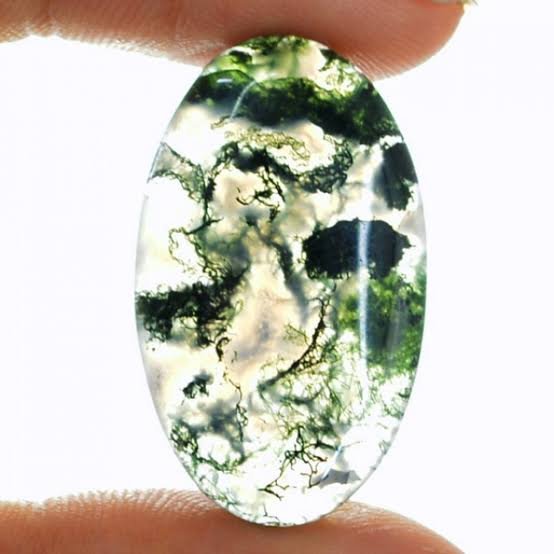
One of the most interesting features of malachite is that no two pieces look exactly alike. Its surface can display concentric rings, curved bands, eye-like patterns, stripes, and different shades of green. These patterns make every specimen visually distinctive.
This comprehensive guide explores what malachite is, how it forms, its physical properties, history, colors, uses, jewelry applications, care instructions, value factors, authenticity, and commonly asked questions.
What Is Malachite Stone?
Malachite is a green copper carbonate hydroxide mineral with the chemical formula Cu₂CO₃(OH)₂. It usually forms in areas where copper minerals undergo weathering and chemical alteration.
The stone is famous for its intense green color, which can range from light green to deep forest green. Its characteristic patterns are caused by variations in mineral formation and chemical conditions as the stone develops.
Malachite is generally opaque rather than transparent. Its appearance is therefore very different from gemstones such as emerald, sapphire, or diamond.
The most valuable visual characteristic of malachite is often its pattern. Some specimens contain beautiful circular bands resembling eyes, while others show parallel lines or flowing waves.
Because of its distinctive appearance, malachite is frequently used as a decorative stone as well as a gemstone.
Malachite Stone Meaning
The meaning associated with malachite varies between cultures and traditions. Historically, green stones have often been connected with nature, growth, renewal, and prosperity.
In modern crystal and gemstone traditions, malachite is commonly described symbolically as a stone associated with:
- Transformation
- Growth
- Change
- Protection
- Renewal
- Confidence
- Emotional balance
- Personal development
These meanings are cultural and spiritual interpretations rather than scientifically established properties.
For many collectors, however, the meaning of malachite is simply connected to its natural beauty and fascinating geological history.
Malachite Stone Color
Malachite is best known for its green color. However, the green appearance can vary considerably from one specimen to another.
Common shades include:
- Pale green
- Mint green
- Medium green
- Emerald-like green
- Dark green
- Forest green
- Blackish green
Many pieces contain multiple shades of green at the same time. This produces the characteristic striped or banded appearance that makes malachite so easy to recognize.
The patterns may appear as circles, arcs, waves, stripes, or irregular shapes.
One of the most attractive forms is often called bull’s-eye malachite, where circular or oval bands create an eye-like appearance.
Why Is Malachite Green?
The green color of malachite comes primarily from copper within its chemical structure.
Copper compounds can produce striking blue and green colors in minerals. In malachite, copper is responsible for the intense green appearance.
The exact shade can vary depending on the conditions under which the mineral formed, including its chemical environment and the way the mineral developed over time.
This natural chemical origin gives malachite its characteristic color without requiring artificial coloring.
How Does Malachite Form?
Malachite commonly forms in the oxidized zones of copper deposits. These are areas near the surface where oxygen-rich water interacts with copper-bearing minerals.
Over geological periods, water moves through rocks and carries dissolved substances. Chemical reactions can cause copper compounds to combine with carbonate and hydroxide components, eventually producing malachite.
Malachite may occur as:
- Botryoidal masses
- Fibrous aggregates
- Crystalline formations
- Veins
- Stalactitic structures
- Earthy masses
- Coatings on other minerals
Its patterns often develop through repeated stages of mineral growth.
This process explains why many malachite specimens display multiple layers and bands.
Malachite Geological Properties
Understanding the geological properties of malachite helps explain why it looks and behaves differently from harder gemstones.
Chemical Formula
Malachite has the chemical formula:
Cu₂CO₃(OH)₂
Mineral Class
Malachite belongs to the carbonate mineral group.
Crystal System
Malachite crystallizes in the monoclinic crystal system.
Hardness
Malachite generally has a Mohs hardness of approximately 3.5 to 4.
This means it is considerably softer than quartz, sapphire, ruby, and diamond.
Because of its relative softness, malachite can scratch or become damaged more easily than many popular gemstones.
Malachite Luster
Malachite can display different types of luster depending on its texture and formation.
Polished malachite often has a beautiful silky, glassy, or waxy-looking surface. Fibrous varieties can show a distinctive silky appearance.
When carefully polished, the bands and patterns become much more visible, making the stone particularly attractive for decorative objects and jewelry.
Malachite Transparency
Malachite is generally opaque.
Unlike transparent gemstones such as diamond or sapphire, light does not normally pass through a solid piece of malachite.
Its beauty comes from its surface color, patterns, texture, and polish rather than transparency.
This makes malachite especially suitable for cabochons, carvings, decorative slabs, boxes, sculptures, and ornamental objects.
History of Malachite Stone
Malachite has a very long history of human use.
Ancient civilizations valued the mineral for its striking green color. It was used for decorative purposes, ornaments, pigments, and various forms of craftsmanship.
Ancient Egyptians were particularly familiar with green minerals and pigments. Malachite was used in connection with cosmetics and decorative arts.
Throughout history, malachite was also used to create ornamental objects and architectural decorations.
In later European history, large decorative pieces of malachite became associated with luxury and royal interiors.
The stone’s ability to take a high polish made it especially attractive for furniture, columns, boxes, vases, tabletops, and other decorative items.
Malachite in Ancient Egypt
Malachite has an important place in discussions of ancient Egyptian mineral use.
Ancient Egyptians used green mineral pigments in cosmetics and artistic applications. Malachite was among the minerals associated with green coloration.
Green itself held cultural significance in ancient Egyptian symbolism and was often connected with vegetation, fertility, renewal, and life.
Malachite therefore had both practical and aesthetic importance.
It is important to distinguish historical uses from modern claims about gemstone properties. Ancient cultural meanings should be understood within their historical context.
Malachite in Jewelry
Malachite is widely used in jewelry because of its beautiful appearance.
Common malachite jewelry includes:
- Rings
- Pendants
- Necklaces
- Bracelets
- Earrings
- Brooches
- Beaded jewelry
- Cabochon settings
Because malachite is relatively soft, jewelry made from it should be handled carefully.
Pendants and earrings can be practical choices because they generally experience less direct impact than rings or bracelets.
Malachite rings can still be attractive, but they may require extra care because hands frequently encounter surfaces that can scratch or chip softer stones.
Malachite Cabochons
Cabochon cutting is one of the most popular ways to prepare malachite for jewelry.
A cabochon has a smooth, polished, rounded surface rather than the many facets used on transparent gemstones.
This cutting style works particularly well with malachite because it highlights the stone’s natural bands and patterns.
A well-cut malachite cabochon may display:
- Circular bands
- Parallel stripes
- Wavy patterns
- Dark and light green layers
- Eye-like formations
The cutter often chooses the orientation of the stone carefully to display the most attractive pattern.
Malachite Beads
Malachite beads are popular for necklaces, bracelets, and decorative accessories.
Beads may be round, oval, cylindrical, faceted, or irregularly shaped.
Natural malachite beads can display different shades and patterns from bead to bead. This variation is one of the reasons people appreciate natural stone jewelry.
However, buyers should be aware that the market also contains imitation, dyed, reconstructed, and composite materials.
Purchasing from a reputable seller is therefore important when authenticity matters.
Malachite Carvings
Malachite is an excellent material for decorative carving because of its attractive color and ability to take a polish.
Artists and craftspeople have used malachite for:
- Animal carvings
- Decorative figures
- Small sculptures
- Boxes
- Bowls
- Ornaments
- Eggs
- Figurines
- Collectible objects
The natural banding can make carved objects particularly interesting because the pattern follows the structure of the stone.
Malachite in Interior Decoration
Large malachite specimens and slabs can create a dramatic visual effect in interior spaces.
Malachite-inspired decorative surfaces are popular because of their green color and natural patterns.
Historically, polished malachite has been used for luxurious decorative furniture and architectural elements.
Modern interior designers may use natural malachite pieces as:
- Table decorations
- Bookends
- Sculptures
- Display specimens
- Decorative bowls
- Small accent pieces
Large natural malachite pieces can be expensive because they require suitable material with attractive patterns and sufficient size.
Famous Malachite Objects and Decorative Art
Large quantities of malachite have historically been used in decorative arts, particularly in Russia and Europe.
Russian decorative stonework became famous for its use of richly patterned materials, including malachite.
The stone was often used to create impressive columns, vases, tables, and decorative objects.
Some historic interiors featuring malachite demonstrate how a relatively unusual mineral can become a major architectural design element.
These works also show that malachite is more than a jewelry stone—it can be an important decorative material.
Malachite and Russia
Russia is strongly associated with famous malachite deposits and decorative malachite objects.
The Ural region became particularly well known for malachite production.
Large pieces of malachite were used in imperial and aristocratic interiors, where their dramatic green patterns complemented luxurious architectural designs.
The Russian malachite tradition contributed significantly to the stone’s reputation as a prestigious decorative material.
Major Sources of Malachite
Malachite can be found in copper-rich geological environments around the world.
Important historical and modern sources have included:
- Russia
- Democratic Republic of the Congo
- Zambia
- Namibia
- Australia
- United States
- France
- Romania
- Mexico
- South Africa
The appearance and quality of malachite can vary between deposits.
Some locations are especially famous for large specimens, while others are known for attractive patterns or material suitable for carving and jewelry.
Malachite from the Democratic Republic of the Congo
The Democratic Republic of the Congo is one of the world’s major sources of copper minerals, including malachite.
Congolese malachite can display beautiful green colors and distinctive patterns.
The country’s copper-rich geological environment provides favorable conditions for the formation of copper carbonate minerals.
Large and visually impressive specimens from African deposits are popular among mineral collectors.
Malachite from Zambia
Zambia is another important region for copper minerals.
Zambian malachite can show strong green coloration and attractive banding.
Because copper mining is significant in Zambia, malachite can occur naturally in areas associated with copper deposits.
Collectors often value specimens based on color, pattern, size, condition, and overall aesthetics.
Malachite and Azurite
Malachite is often found together with azurite, another copper carbonate mineral.
Azurite is famous for its deep blue color, while malachite is green.
When both minerals occur together, specimens can display beautiful combinations of blue and green.
These mixed specimens are highly attractive to mineral collectors because they show two related copper minerals within the same geological environment.
Malachite and Chrysocolla
Malachite can also occur with chrysocolla, another copper-related mineral known for blue and green colors.
When malachite and chrysocolla grow together, the resulting stone can contain complex combinations of green, blue, turquoise, and darker areas.
Such specimens are particularly popular for cabochons and decorative stones.
Malachite vs Emerald
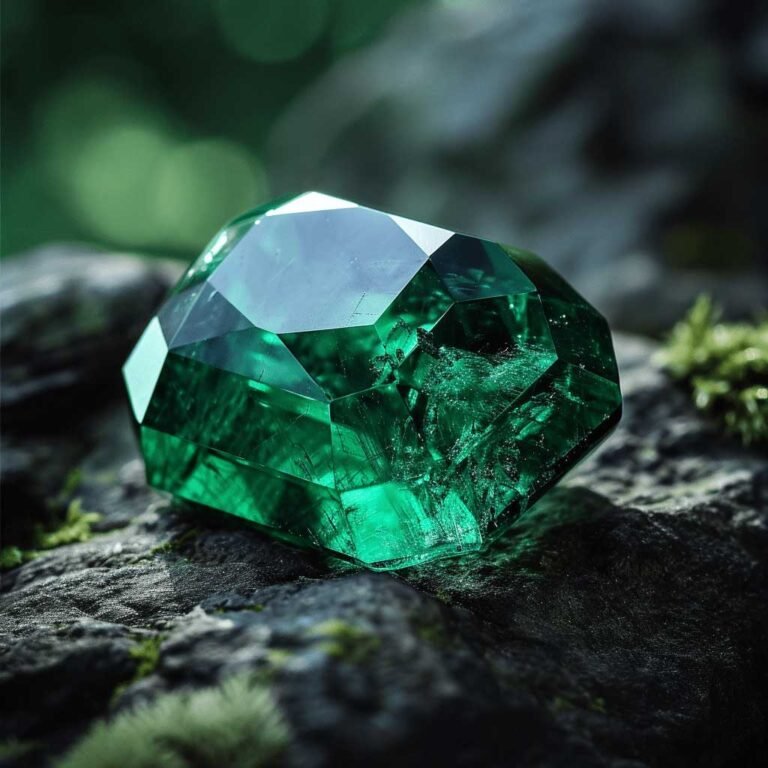
Malachite and emerald are both green gemstones or minerals, but they are very different materials.
Malachite
- Usually opaque
- Softer
- Has distinctive bands
- Copper carbonate mineral
- Generally less expensive than fine emerald
- Popular for decorative objects and cabochons
Emerald
- Variety of beryl
- Usually transparent to translucent
- Much harder
- Often faceted
- Valued for color, clarity, origin, and quality
Although both can be green, their geological composition and physical properties are completely different.
Malachite vs Jade
Malachite is also sometimes compared with jade because both can be green.
However, jade refers primarily to jadeite and nephrite, which have different chemical compositions and physical properties.
Malachite usually has obvious banding and is significantly softer.
Jade is generally tougher and more suitable for objects that need to withstand wear.
Malachite’s distinctive patterns, however, give it an appearance that is quite different from most jade.
Malachite vs Aventurine
Green aventurine is another green decorative stone, but it is usually dominated by quartz.
Aventurine can have a sparkling appearance caused by mineral inclusions, while malachite is known for its layered green bands.
The two stones can look quite different when placed side by side.
Malachite Healing Properties: What Is Actually Known?
Malachite is frequently marketed in crystal and spiritual communities as having various healing properties.
Claims may include emotional healing, protection, energy balancing, or transformation.
However, these claims are not scientifically established medical treatments.
There is no reliable scientific evidence that wearing or carrying malachite can diagnose, prevent, or cure medical conditions.
Malachite can still have personal symbolic value. Some people use gemstones as reminders of goals, reflection, or personal meaning.
It is best to distinguish cultural and spiritual beliefs from scientifically proven medical information.
Malachite as a Symbol of Transformation
In modern crystal traditions, malachite is often described as a transformation stone.
This symbolism may come partly from its dramatic appearance, changing patterns, and association with natural mineral processes.
For people who enjoy symbolic gemstones, malachite can represent:
- New beginnings
- Personal growth
- Change
- Learning
- Renewal
- Confidence
These meanings are subjective and depend on individual traditions.
Malachite for Collectors
Malachite is an excellent mineral for collectors because specimens can vary enormously in appearance.
Collectors may look for:
- Strong green color
- Clear banding
- Attractive concentric patterns
- Large size
- Unusual crystal habits
- Botryoidal formations
- Malachite with azurite
- Natural formations
- Historical specimens
- Excellent polish
A small specimen with an exceptional pattern can sometimes be more visually desirable than a much larger but less interesting piece.
How to Identify Real Malachite
Identifying natural malachite can be difficult for beginners because imitation materials exist.
Several observations may help:
1. Natural Patterns
Natural malachite usually displays complex, irregular, or layered patterns rather than perfectly uniform artificial designs.
2. Weight and Feel
Malachite has a substantial mineral feel, although weight alone cannot prove authenticity.
3. Color Variation
Natural malachite often contains multiple shades of green.
4. Professional Testing
For valuable specimens, professional gemological or mineralogical testing is more reliable than simple home tests.
Buyers should be especially careful when purchasing expensive pieces online.
Fake Malachite and Imitation Materials
The popularity of malachite has resulted in imitation products.
Some imitations may be made from:
- Dyed materials
- Glass
- Plastic
- Composite materials
- Reconstructed stone
- Other minerals
Some products may also be marketed as “malachite” even when they are not solid natural malachite.
The safest approach is to buy from reputable dealers and ask for accurate material descriptions.
How Much Is Malachite Worth?
The price of malachite varies widely.
Important factors include:
- Color
- Pattern
- Size
- Quality
- Polish
- Origin
- Condition
- Rarity
- Craftsmanship
- Type of product
A small polished stone may be inexpensive, while a large museum-quality specimen with exceptional patterning can be considerably more valuable.
There is no single fixed price for all malachite.
When purchasing, compare several sellers and pay attention to whether the price is based on weight, quality, craftsmanship, or collectible value.
Factors That Affect Malachite Value
Color
Deep and attractive green coloration is often desirable.
Pattern
Strong, interesting patterns can increase visual appeal.
Size
Large natural specimens may be more valuable, especially when the pattern remains attractive throughout the piece.
Condition
Cracks, chips, repairs, or damage can reduce value.
Polish
A high-quality polish can reveal the stone’s natural patterns.
Rarity
Unusual formations and exceptional specimens can attract collectors.
How to Care for Malachite Stone
Malachite requires careful handling because it is relatively soft.
Here are some basic care tips:
- Keep it away from harder gemstones.
- Store it separately.
- Avoid strong impacts.
- Use a soft cloth for cleaning.
- Avoid harsh chemicals.
- Avoid abrasive cleaners.
- Do not expose it unnecessarily to heat.
- Keep jewelry protected when not being worn.
Because malachite is softer than many common jewelry materials, proper storage is particularly important.
Can You Wash Malachite?
Malachite should be cleaned gently.
A soft, slightly damp cloth is generally preferable to aggressive cleaning methods.
Avoid harsh household chemicals and abrasive materials.
For valuable or antique malachite objects, professional advice may be appropriate before cleaning.
Is Malachite Safe to Wear?
Solid, polished malachite used appropriately as jewelry is generally handled safely as a decorative gemstone.
However, malachite contains copper and should not be treated as a material for ingestion or homemade mineral preparations.
Avoid grinding, sanding, cutting, or creating dust from malachite without proper professional safety controls.
Dust from mineral processing should not be inhaled.
Malachite Powder and Health Concerns
Malachite should never be consumed as a health remedy.
Because it contains copper and other mineral components, powdered or finely divided material should be handled carefully.
There is no scientific basis for drinking malachite water or consuming malachite products for health benefits.
Gemstones should be appreciated as minerals, jewelry, or decorative objects rather than used as substitutes for medical treatment.
Malachite in Modern Fashion
Malachite has become popular in modern jewelry and fashion because its natural green patterns can create a luxurious appearance.
Designers use it in:
- Statement necklaces
- Minimalist pendants
- Earrings
- Bracelets
- Rings
- Decorative accessories
Its strong visual identity allows even a small piece to become a focal point.
Malachite for Home Decor
Malachite is particularly attractive in interior design.
A polished malachite object can add a natural green accent to a room.
Popular decorative applications include:
- Small sculptures
- Coasters
- Bookends
- Bowls
- Boxes
- Display stones
- Decorative slabs
Because natural malachite has complex patterns, it can provide visual interest without requiring additional decoration.
Malachite as a Gift
Malachite can make a memorable gift for someone interested in:
- Gemstones
- Minerals
- Nature
- Jewelry
- Collecting
- Interior decoration
- Natural history
A small polished specimen is an accessible gift, while high-quality jewelry or collector specimens can be more specialized.
The symbolic associations of growth and transformation may also make malachite meaningful as a personal gift.
How to Choose Malachite Jewelry
When buying malachite jewelry, consider the following:
Check the Pattern
Look for patterns that appeal to you personally.
Check the Surface
The polish should be smooth and free from obvious damage.
Check the Setting
For rings and bracelets, make sure the stone is securely mounted.
Ask About Treatment
Ask whether the material is natural, stabilized, reconstructed, dyed, or otherwise treated.
Consider the Seller
Choose a seller with clear descriptions and a good reputation.
How to Store Malachite
Because malachite is relatively soft, storage matters.
A good storage method is to place each piece in a soft pouch or separate compartment.
Avoid storing malachite directly against harder stones such as quartz, sapphire, ruby, or diamond.
For larger specimens, use stable display surfaces and protect them from accidental impact.
Interesting Facts About Malachite
Here are some interesting facts about malachite:
- Malachite is a copper carbonate hydroxide mineral.
- Its famous green color comes from copper.
- It commonly forms in oxidized copper deposits.
- It is relatively soft compared with many jewelry gemstones.
- It can display spectacular concentric patterns.
- Malachite has been used for thousands of years.
- It has been used as a pigment historically.
- It can occur with azurite.
- Russia is historically famous for decorative malachite.
- Large malachite objects can be extremely impressive.
- Each natural piece can have a unique pattern.
- Malachite is generally opaque.
- It is popular in mineral collections.
- It is commonly cut as a cabochon.
- It is used in both jewelry and decorative art.
Why Is Malachite So Popular?
Malachite remains popular because it combines several qualities that make a mineral visually interesting.
Its most important attraction is its natural pattern.
Unlike gemstones that depend heavily on faceting and sparkle, malachite creates beauty through layers, curves, color variations, and geological history.
The stone also has a long human history, which adds cultural and historical interest.
For collectors, the combination of geology, history, color, and pattern makes malachite particularly appealing.
Malachite for Mineral Collectors
A mineral collector may appreciate malachite for reasons that go beyond jewelry.
A high-quality specimen can demonstrate:
- Mineral formation
- Crystal habits
- Geological processes
- Copper mineralization
- Natural color
- Pattern development
Some specimens are kept exactly as they formed, while others are polished to reveal internal patterns.
Both natural and polished specimens can have significant collectible appeal.
Malachite in Museums
Malachite specimens and decorative objects can be found in museums and major mineral collections around the world.
Museums may display malachite to demonstrate mineral formation, mining history, decorative arts, or historical craftsmanship.
Large specimens are particularly impressive because they show how dramatic the mineral can become when present in substantial quantities.
Environmental and Ethical Considerations
Like many minerals, malachite is connected to mining.
Responsible purchasing can help consumers make more informed choices.
When buying expensive or collectible malachite, buyers may consider asking about:
- Country of origin
- Mining source
- Supplier transparency
- Treatment
- Natural versus reconstructed material
Ethical mineral sourcing is a broader issue across the gemstone and mineral industry.
Malachite and Sustainable Collecting
Collectors can support responsible practices by purchasing from reputable dealers who provide accurate information about their materials.
It is also useful to avoid buying specimens that appear suspiciously described or priced without adequate information.
A responsible collector values both the beauty of the mineral and the story behind its origin.
Malachite Stone for Beginners
If you are new to gemstones, malachite is an excellent mineral to study because it has a recognizable appearance.
Start by learning:
- Its green color
- Its banding patterns
- Its chemical composition
- Its hardness
- Its common geological environment
- Its relationship with copper deposits
- Its common imitations
- Its care requirements
With practice, you can become better at recognizing natural malachite specimens.
Malachite Stone Buying Guide
Before purchasing malachite, ask several questions.
Is it natural?
Confirm whether the seller is offering natural malachite or an imitation.
Has it been treated?
Ask whether it has been dyed, stabilized, reconstructed, or otherwise modified.
Where is it from?
Origin information can be useful, especially for collectible specimens.
What is the condition?
Look for cracks, chips, repairs, or surface damage.
Does the pattern appeal to you?
For malachite, visual pattern is often one of the most important aspects.
Common Uses of Malachite
Malachite has many uses, including:
- Jewelry
- Mineral specimens
- Decorative objects
- Carvings
- Sculptures
- Historical pigments
- Interior decoration
- Collectibles
- Cabochons
- Beads
- Ornaments
Its versatility comes from its color and ability to be polished.
The Beauty of Natural Malachite Patterns
One of the greatest attractions of malachite is that its patterns are created naturally.
Circular bands may resemble tree rings. Curved stripes may look like waves. Dark green lines can contrast with bright green areas.
These patterns are not simply painted onto the stone. They reflect the geological processes involved in mineral formation.
This natural artwork is a major reason why malachite remains popular.
Malachite Stone in Contemporary Jewelry Design
Modern jewelry designers often combine malachite with metals such as:
- Silver
- Gold
- White gold
- Rose gold
The green color can create a strong contrast with metallic settings.
Simple designs allow the stone’s natural pattern to remain the main focus.
Large malachite cabochons can create statement jewelry, while small pieces can be incorporated into minimalist designs.
Frequently Asked Questions About Malachite
What is malachite stone?
Malachite is a green copper carbonate hydroxide mineral known for its distinctive bands, swirls, and multiple shades of green.
What is malachite used for?
Malachite is used for jewelry, decorative objects, carvings, mineral specimens, ornaments, and historically as a pigment.
Is malachite a gemstone?
Malachite is commonly treated as a decorative gemstone or ornamental stone, although mineralogically it is a copper carbonate hydroxide mineral.
What color is malachite?
Malachite is usually green, ranging from pale green to very dark green.
Is malachite rare?
Malachite itself is not extremely rare, but large specimens with exceptional color, pattern, size, and condition can be highly desirable.
Is malachite expensive?
The price varies greatly. Small commercial pieces can be affordable, while exceptional collector specimens and large decorative pieces can be expensive.
Can malachite be used in jewelry?
Yes. Malachite is commonly used for pendants, earrings, bracelets, rings, beads, and cabochons.
Is malachite hard?
Malachite has a Mohs hardness of about 3.5 to 4, making it relatively soft.
Can malachite scratch?
Yes. Because it is relatively soft, malachite can be scratched by harder materials.
Can malachite go in water?
It is better to avoid prolonged exposure to water and especially avoid using malachite for drinking-water preparations.
Can you wear malachite every day?
It can be worn, but daily-wear pieces should be treated carefully because malachite is softer than many common jewelry stones.
Does malachite have healing properties?
Various spiritual traditions attribute symbolic or healing properties to malachite, but these claims have not been scientifically established as medical treatments.
What makes malachite valuable?
Color, pattern, size, condition, polish, rarity, origin, craftsmanship, and collector demand can all influence value.
Where is malachite found?
Malachite occurs in copper-rich geological environments around the world, including important deposits in Africa, Russia, Australia, the United States, and other regions.
Final Thoughts on Malachite Stone
Malachite is a remarkable mineral that combines natural beauty, geological interest, cultural history, and decorative appeal. Its rich green color and distinctive bands make it one of the easiest minerals to recognize.
From ancient pigments and ornaments to modern jewelry and museum-quality specimens, malachite has played many roles throughout human history.
Its relatively soft nature means that it requires more care than harder gemstones, but proper handling can preserve its beauty for many years.
Whether you are interested in malachite as a gemstone, mineral specimen, decorative stone, historical material, or collector’s item, its natural patterns provide an endless source of fascination.
The greatest appeal of malachite is perhaps its uniqueness. Every natural piece tells a geological story through its colors and patterns. No two specimens need to look exactly alike, making the stone feel like a small piece of natural artwork.
For anyone interested in gemstones and minerals, malachite is a fascinating subject worth exploring. Its combination of striking green color, geological origins, historical significance, and decorative versatility ensures that it remains one of the world’s most recognizable and admired green minerals.
SEO Keywords for Malachite Stone
Primary Keyword:
Malachite Stone
Secondary Keywords:
Malachite gemstone, natural malachite, malachite meaning, malachite properties, malachite stone benefits, malachite jewelry, malachite crystal, green malachite, malachite mineral, malachite stone price, malachite uses, malachite history, malachite color, malachite value, real malachite, malachite stone care, malachite cabochon, malachite beads, malachite crystal meaning.
Long-Tail Keywords:
What is malachite stone, what is malachite used for, how is malachite formed, how to identify real malachite, how to clean malachite stone, how much is malachite worth, malachite stone meaning and properties, malachite jewelry buying guide, natural malachite stone benefits, malachite gemstone complete guide.
Suggested SEO Title
Malachite Stone: Meaning, Properties, Uses, Benefits, History & Buying Guide
Suggested Meta Description
Discover everything about Malachite Stone, including its meaning, green color, properties, history, uses, jewelry, value, care tips, authenticity, and buying guide.
Suggested URL Slug
/malachite-stone/