Spinel Stone: Complete Guide to History, Colors, Properties, Value, and Buying Tips
Introduction to Spinel Stone
Spinel is one of the most fascinating and beautiful gemstones in the world. Known for its brilliant colors, excellent durability, strong luster, and fascinating history, spinel has attracted the attention of collectors, jewelry lovers, gem enthusiasts, and historians for centuries. Although it is now recognized as a valuable gemstone in its own right, spinel was often mistaken for ruby and sapphire in the past.
Some famous historical gemstones that were once believed to be rubies were later identified as red spinels. This history has given spinel a special place in the world of gemstones. Today, high-quality spinel is increasingly appreciated for its natural beauty, rarity, and distinctive character.
Spinel can occur in several colors, including red, pink, orange, blue, purple, gray, black, and nearly colorless varieties. Among these, vivid red and cobalt-blue spinels are particularly sought after by collectors. Its wide range of colors makes it suitable for many different types of jewelry.
This complete guide explores the history, meaning, colors, physical properties, varieties, sources, value, identification methods, jewelry uses, care requirements, and buying considerations of spinel stone.
What Is Spinel Stone?
Spinel is a natural gemstone and a mineral belonging to the spinel group. Its chemical composition is primarily magnesium aluminum oxide, represented by the formula MgAl₂O₄, although natural spinels can contain other elements that influence their color and properties.
The name “spinel” is believed to have originated from a Latin word associated with a thorn or pointed shape, possibly referring to the sharp crystal forms in which the mineral can occur.
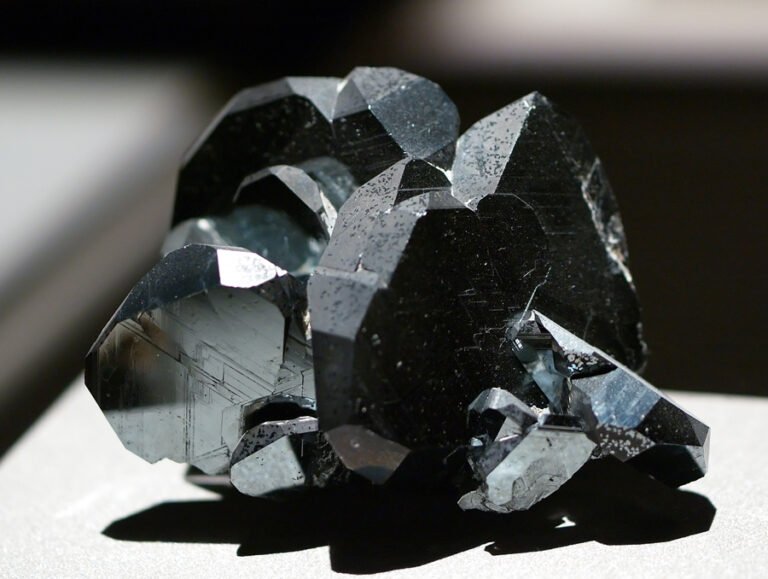
Spinel commonly forms in an isometric or cubic crystal system. Its crystals may appear as octahedrons, which are geometric shapes with eight triangular faces.
One of the most interesting features of spinel is its ability to occur in a remarkable variety of colors. Trace elements within the crystal structure are responsible for many of these colors.
For example, chromium can contribute to intense red or pink colors, while cobalt can create highly desirable blue shades.
History of Spinel
Spinel has a long and fascinating history. For centuries, people did not always distinguish spinel from ruby. Both gemstones can display rich red colors, and before modern gemological testing was developed, identifying the difference between them was difficult.
As a result, some famous “rubies” in royal collections were eventually discovered to be spinels.
This historical confusion actually demonstrates how attractive spinel can be. High-quality red spinel can have a strong, vibrant appearance that resembles fine ruby.
The gemstone was especially important in royal jewelry and historic collections throughout Asia and Europe. Red spinels were incorporated into crowns, necklaces, rings, and other ceremonial objects.
Modern gemology eventually established clear differences between ruby and spinel. Today, trained gemologists can distinguish them using their chemical composition, crystal structure, optical properties, and other characteristics.
The recognition of spinel as a separate gemstone has increased significantly in recent decades.
Why Is Spinel Considered a Valuable Gemstone?
Spinel is valuable for several reasons.
First, natural spinel can display exceptional color. Bright red, vivid pink, and intense blue examples can be extremely attractive.
Second, spinel is relatively durable. With a Mohs hardness of approximately 8, it is suitable for many jewelry applications.
Third, fine-quality natural spinel can be rare. Large, strongly colored, clean specimens are especially desirable among collectors.
Finally, spinel has an interesting history that adds to its appeal. Its association with famous historical gemstones makes it particularly interesting to gemstone enthusiasts.
The value of spinel depends on several factors, including color, clarity, size, origin, treatment, cut, and overall beauty.
Spinel Stone Colors
One of the biggest attractions of spinel is its color variety.
Red Spinel
Red spinel is among the most famous and desirable varieties. Its color can range from bright red to deep red and slightly purplish red.
Fine red spinel can have a vivid appearance and strong brilliance. Historically, some exceptional red spinels were mistaken for rubies.
Today, natural red spinel is highly appreciated by collectors.
Pink Spinel
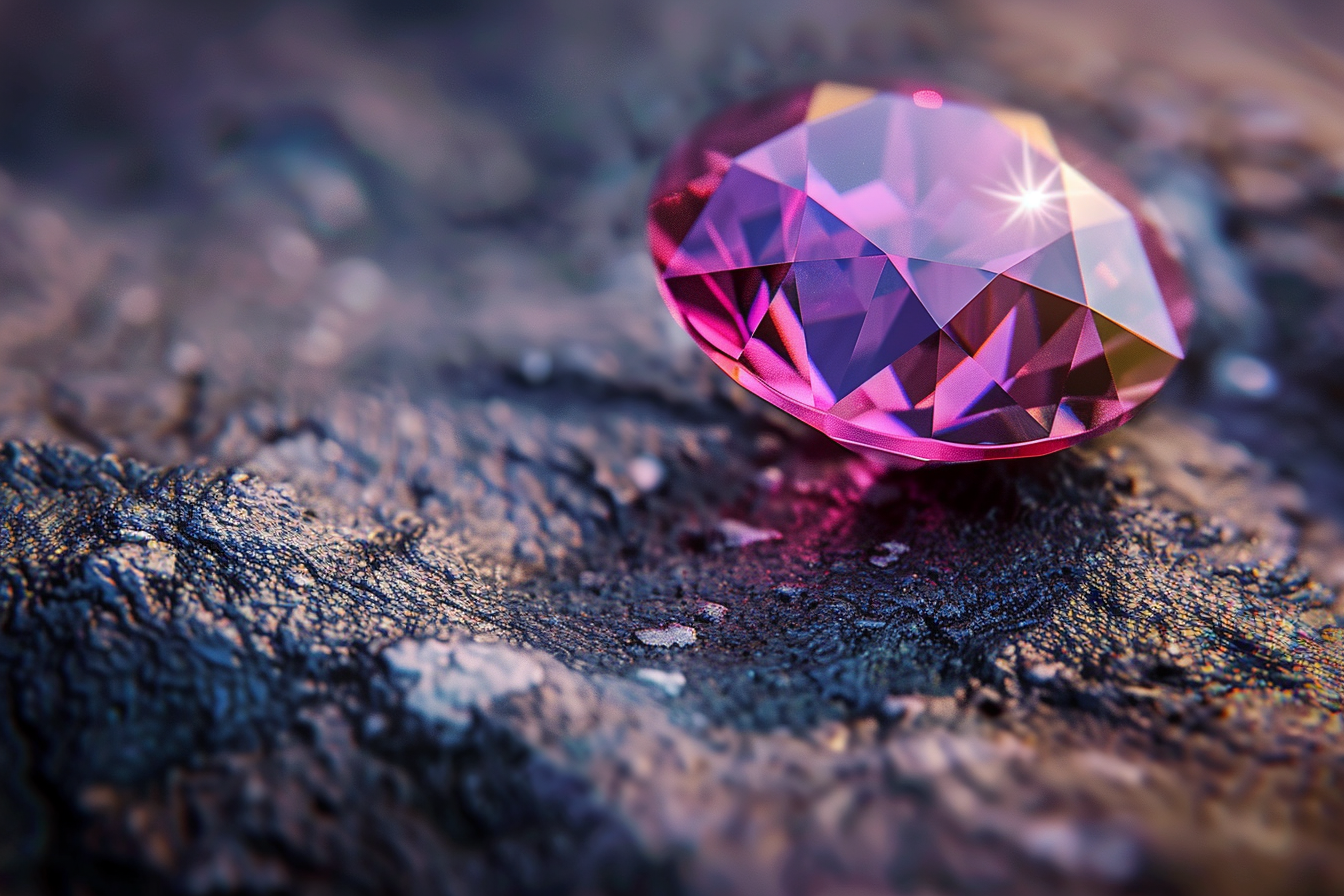
Pink spinel is another popular variety. It can range from soft pastel pink to bright, saturated pink.
Pink spinel is often used in rings, earrings, necklaces, and other jewelry designs.
The attractiveness of pink spinel depends greatly on the intensity and quality of its color.
Blue Spinel
Blue spinel is particularly interesting because its color can be produced by different trace elements.
Some blue spinels have a grayish or violet-blue appearance, while others display intense blue coloration.
Cobalt-blue spinel is especially famous among collectors because of its vivid color and relative rarity.
Orange Spinel
Orange spinel can range from pale orange to intense reddish-orange.
Some examples have warm, fiery colors that make them particularly attractive for jewelry.
Purple Spinel
Purple spinel can show shades ranging from light lavender to deeper violet.
Its unusual color makes it a good choice for people looking for a gemstone that is different from more traditional choices.
Black Spinel
Black spinel is widely used in jewelry. It usually has an opaque or nearly opaque appearance and can display a strong, attractive luster when polished.
Black spinel beads and cabochons are commonly used in necklaces, bracelets, and decorative jewelry.
Gray Spinel
Gray spinel can range from light silver-gray to darker gray. Although it is less famous than red or blue spinel, its neutral appearance can work well in modern jewelry designs.
Colorless Spinel
Colorless spinel exists but is less commonly encountered in jewelry compared with colored varieties.
Its appearance can sometimes resemble other transparent gemstones, making proper gemological identification important.
Natural Spinel vs Synthetic Spinel
One important consideration when buying spinel is whether the gemstone is natural or synthetic.
Natural spinel forms through geological processes over long periods of time. Synthetic spinel is produced in a laboratory.
Synthetic spinel can be attractive and useful for various purposes, but it should not automatically be valued the same way as a rare natural gemstone.
When purchasing an expensive spinel, buyers should ask whether the stone is natural, synthetic, treated, or untreated.
A reputable gem laboratory can provide professional identification when necessary.
Spinel Stone Physical Properties
Spinel has several properties that contribute to its popularity.
Chemical Composition
The basic chemical formula of spinel is MgAl₂O₄.
Natural stones can contain trace elements that influence their appearance and color.
Hardness
Spinel generally has a Mohs hardness of about 8.
This is considered good durability for a gemstone.
Crystal System
Spinel belongs to the cubic crystal system.
Its natural crystals often develop in characteristic octahedral shapes.
Luster
Spinel generally has a vitreous, or glass-like, luster.
A well-polished spinel can display attractive brilliance and surface shine.
Transparency
Spinel can occur in transparent, translucent, or opaque forms depending on its variety and quality.
Transparent material is particularly important for faceted gemstone jewelry.
Spinel and Ruby: What Is the Difference?
Spinel and ruby are sometimes confused because red spinel can resemble red ruby.
However, they are different minerals.
Ruby belongs to the corundum mineral family, while spinel belongs to the spinel mineral group.
They also have different chemical compositions and crystal structures.
Ruby has a Mohs hardness of 9, while spinel has a hardness of approximately 8.
Another important difference is that spinel commonly crystallizes in the cubic crystal system, while ruby belongs to the trigonal crystal system.
Because of these differences, professional gemological testing can distinguish between them.
Famous Historical Spinel Gemstones
Spinel has been associated with several famous historical gemstones.
One of the best-known examples is the collection of large red gemstones in British royal regalia that were historically considered rubies but were later identified as spinels.
The famous “Black Prince’s Ruby” in the Imperial State Crown is actually a large red spinel.
Another historic gemstone, the Timur Ruby, is also a large red spinel rather than a ruby.
These examples demonstrate how important spinel has been in royal history.
They also show why historical gemstone names do not always indicate modern mineral identification.
Where Is Spinel Found?
Natural spinel occurs in several parts of the world.
Important sources have historically included regions of:
- Myanmar
- Sri Lanka
- Vietnam
- Tanzania
- Tajikistan
- Cambodia
- Madagascar
- Afghanistan
- Pakistan
- Thailand
Different locations can produce spinels with different colors and characteristics.
Myanmar has historically been famous for fine red spinel. Vietnam has produced attractive vivid blue and other colored spinels. Tanzania and Madagascar have also become important sources of colorful gemstones.
The origin of a spinel can sometimes influence its desirability, especially among collectors.
However, origin should not be considered more important than the actual quality and beauty of the individual gemstone.
Spinel Stone from Myanmar
Myanmar has a long history of producing high-quality gemstones.
Red spinel from Myanmar is particularly famous. Some stones can display rich red colors that are highly attractive and comparable in visual appeal to fine red gemstones from other sources.
Myanmar spinel has become an important category for collectors and gemstone specialists.
When buying a high-value stone, laboratory documentation may be useful for confirming natural origin and other characteristics.
Vietnamese Spinel
Vietnam is known for producing several interesting varieties of spinel.
Some Vietnamese spinels can display bright red, pink, purple, and vivid blue colors.
Cobalt-blue spinel associated with Vietnam is especially famous among collectors.
Its strong blue color can make it highly desirable when the saturation and clarity are excellent.
Tanzanian Spinel
Tanzania is another important gemstone-producing country.
Tanzanian spinel can occur in several colors, including red, pink, orange, and blue.
The region’s diverse geology has contributed to the discovery of many interesting gemstones.
How Spinel Gets Its Color
The color of spinel is influenced by trace elements within its crystal structure.
Small amounts of elements such as chromium, iron, cobalt, and vanadium can affect the color.
For example, chromium can contribute to red and pink colors, while cobalt can produce strong blue coloration.
The interaction of these elements with light creates the different colors seen in natural spinel.
This is one reason why spinel can have such a wide color range.
Spinel Stone Meaning
Many gemstone enthusiasts associate spinel with qualities such as strength, renewal, energy, and inspiration.
These meanings are part of cultural and modern gemstone traditions rather than scientifically proven effects.
Because spinel is durable and visually brilliant, it has sometimes been symbolically associated with resilience and inner strength.
Pink spinel may be connected in popular gemstone traditions with affection and emotional warmth.
Red spinel is sometimes associated with vitality and energy.
Blue spinel may be described symbolically as representing calmness, confidence, and clarity.
These symbolic meanings can add personal significance to a gemstone, but they should not be considered medical or scientific properties.
Spinel Birthstone
Spinel has gained increasing recognition as an alternative gemstone for people who appreciate colorful jewelry.
Although traditional birthstone systems vary, spinel has been associated with August in some modern birthstone traditions.
It is important to check the specific birthstone tradition being followed because different organizations and cultures may use different lists.
Spinel Jewelry
Spinel is an excellent gemstone for jewelry because of its attractive appearance and relatively good hardness.
It can be used in:
- Rings
- Earrings
- Necklaces
- Pendants
- Bracelets
- Brooches
- Gemstone collections
Because spinel comes in many colors, it can suit both classic and modern jewelry styles.
Red spinel can create an elegant traditional appearance, while blue or purple spinel can produce a more unusual look.
Black spinel is particularly popular in contemporary jewelry designs.
Spinel Rings
Spinel rings are a popular choice for gemstone jewelry.
A well-cut spinel can display excellent brilliance and attractive color.
For everyday rings, protective settings can help reduce the chance of accidental damage.
Although spinel is durable, it is not completely scratch-proof or damage-proof.
Spinel Earrings
Earrings are an excellent application for spinel because earrings generally experience less impact than rings.
Bright red, pink, blue, and purple spinels can create beautiful earrings.
Small stones can provide subtle color, while larger gemstones can become dramatic focal points.
Spinel Necklaces and Pendants
Spinel is also commonly used in necklaces and pendants.
Large faceted stones can create an elegant pendant, while smaller spinel beads can be used to create colorful necklaces.
Black spinel is especially popular for bead necklaces because its dark color and polished surface create a sleek appearance.
How to Identify Genuine Spinel
Identifying a gemstone accurately can be difficult without proper equipment.
Several characteristics can help gemologists distinguish spinel from similar gemstones.
These include:
- Refractive index
- Specific gravity
- Crystal structure
- Optical properties
- Inclusions
- Chemical composition
- Spectroscopic characteristics
A simple visual inspection is not always sufficient.
If a gemstone is valuable, professional laboratory testing is the safest method for identification.
Spinel Inclusions
Natural gemstones commonly contain internal features known as inclusions.
Some inclusions can provide evidence that a stone is natural.
In spinel, inclusions may include crystals, clouds, needles, or other internal structures.
However, inclusions are not automatically a sign of low quality.
In some collectible gemstones, characteristic inclusions can help gemologists understand the stone’s origin or formation history.
The ideal level of clarity depends on the type and intended use of the gemstone.
Spinel Stone Cut
The cut of a spinel can have a major impact on its beauty.
A skilled cutter considers the stone’s color, transparency, crystal shape, and optical characteristics.
Popular cuts include:
- Oval
- Round
- Cushion
- Pear
- Emerald
- Princess
- Mixed cuts
- Cabochons
A good cut can improve the way light moves through the gemstone and enhance its brilliance.
However, cutting decisions can also depend on the rough crystal’s natural shape.
Spinel Clarity
Clarity refers to the presence or absence of internal inclusions and surface characteristics.
Highly transparent spinel with minimal visible inclusions can be very desirable.
However, clarity should always be considered together with color.
A slightly included spinel with extraordinary color may be more attractive and valuable than a perfectly clean stone with weak color.
What Determines Spinel Value?
Several factors influence the value of spinel.
Color
Color is one of the most important factors.
Strong, attractive, well-saturated colors generally increase desirability.
Clarity
Clean and transparent stones can command higher prices, especially when combined with excellent color.
Size
Large, high-quality natural spinels can be rare.
The price per carat can increase significantly for exceptional larger stones.
Cut
A well-executed cut can improve brilliance, symmetry, and overall appearance.
Origin
Some origins are especially respected by collectors.
However, origin alone does not determine quality.
Treatment
Untreated natural gemstones can be particularly attractive to collectors.
Buyers should always ask about treatments before purchasing an expensive stone.
Is Spinel Rare?
Spinel is not equally rare in all colors and qualities.
Commercial-quality spinel can be found in the gemstone market, but exceptional natural stones with vivid colors, excellent clarity, large sizes, and attractive cuts can be quite rare.
Certain varieties, such as fine cobalt-blue spinel, can be especially difficult to find.
This distinction is important because “spinel” describes a broad gemstone category rather than one uniform level of rarity.
Spinel vs Sapphire
Spinel and sapphire can both occur in blue, pink, purple, and other colors.
However, they are different minerals.
Sapphire belongs to the corundum family, while spinel belongs to the spinel group.
Sapphire has a Mohs hardness of 9, while spinel is approximately 8.
Both can be excellent jewelry gemstones, but collectors may choose between them based on color, budget, rarity, and personal preference.
Spinel vs Garnet
Spinel can also be confused with some varieties of garnet.
Red spinel and red garnet may look similar, particularly under certain lighting conditions.
However, their chemical compositions, crystal structures, optical properties, and physical characteristics are different.
Professional gemological testing can distinguish them accurately.
How to Buy Spinel Stone
Buying a gemstone requires careful consideration.
Before purchasing spinel, consider the following factors.
Ask Whether It Is Natural
Confirm whether the gemstone is natural or laboratory-created.
Ask About Treatments
Some gemstones may receive treatments to improve their appearance.
Ask the seller for complete treatment information.
Examine the Color
Look at the gemstone under different lighting conditions if possible.
Color should appear attractive and balanced.
Check the Cut
Look for good symmetry, attractive proportions, and strong brilliance.
Consider the Setting
If you are buying jewelry, inspect the gemstone setting and craftsmanship as well as the stone itself.
Request Documentation for Expensive Stones
For high-value spinels, an independent gemological report can provide useful information.
How to Care for Spinel Stone
Spinel is relatively durable, but proper care can help preserve its appearance.
Clean spinel jewelry gently with warm water, mild soap, and a soft brush.
After cleaning, rinse carefully and dry with a soft cloth.
Avoid exposing the gemstone to unnecessary impacts.
It is also a good idea to store spinel jewelry separately from harder gemstones to reduce the possibility of scratches.
Can Spinel Be Worn Every Day?
Spinel’s hardness of around 8 makes it suitable for many everyday jewelry applications.
However, everyday wear does not mean the gemstone is indestructible.
Rings generally experience more impact than earrings or pendants.
For an important or expensive spinel ring, a secure setting can provide additional protection.
Regular inspection of the setting is also useful.
How to Clean Spinel
A simple cleaning method is usually sufficient.
- Fill a small container with lukewarm water.
- Add a small amount of mild soap.
- Place the jewelry in the solution.
- Gently clean it with a soft brush.
- Rinse with clean water.
- Dry with a soft, lint-free cloth.
If the gemstone has been treated or is mounted in delicate jewelry, consult a professional jeweler before using specialized cleaning methods.
Spinel Stone in Modern Jewelry
Modern jewelry designers increasingly appreciate spinel because it offers a combination of color, durability, rarity, and individuality.
Many buyers are interested in gemstones that are less conventional than diamonds, rubies, or sapphires.
Spinel provides an excellent alternative.
Its historical association with royal gemstones also gives it a fascinating story that can make a piece of jewelry more meaningful.
Why Collectors Like Spinel
Collectors often appreciate spinel for its natural colors and mineralogical diversity.
Exceptional examples may feature:
- Rare colors
- Strong saturation
- Excellent transparency
- Large size
- Natural origin
- Attractive inclusions
- Historic significance
Collectors may also enjoy searching for unusual varieties that are not commonly seen in mainstream jewelry stores.
Spinel Stone and Gemstone Collecting
For a gemstone collector, spinel can be an interesting category because there are many different varieties to explore.
A collection might include red spinel, pink spinel, blue spinel, orange spinel, purple spinel, and black spinel.
Collectors can also compare gemstones from different geographic regions.
Studying spinel provides an opportunity to learn about mineralogy, geology, gemology, and the history of jewelry.
Ethical and Responsible Buying
When purchasing gemstones, responsible sourcing is an important consideration.
Buyers may want to ask sellers about the gemstone’s origin and supply chain.
Reputable dealers should be transparent about what they know about a stone.
For expensive purchases, independent laboratory reports can provide additional confidence.
Responsible buying can help consumers make informed decisions while supporting better practices within the gemstone industry.
Spinel Stone as a Gift
Spinel can make a thoughtful gemstone gift because of its wide range of colors.
Red spinel may appeal to someone who loves classic gemstones.
Pink spinel can be suitable for people who enjoy soft or vibrant colors.
Blue spinel can appeal to those who prefer cool-toned gemstones.
Black spinel can be a good choice for modern and minimalist jewelry.
The best color ultimately depends on the recipient’s personal taste.
Advantages of Spinel Stone
Spinel offers several advantages.
Attractive Colors
It occurs in many beautiful colors.
Good Durability
Its hardness of approximately 8 makes it suitable for jewelry.
Strong Brilliance
Well-cut transparent spinel can show impressive brilliance.
Interesting History
Its historical connection to famous royal gemstones makes it fascinating.
Natural Rarity
Fine-quality natural spinel can be difficult to find.
Alternative to Traditional Gemstones
It offers an appealing option for people who want something different from ruby or sapphire.
Potential Disadvantages of Spinel
Although spinel has many advantages, there are also considerations to keep in mind.
High-quality natural spinel can be expensive.
Some colors are much rarer than others.
Synthetic spinel is also available, so buyers should understand what they are purchasing.
Additionally, visual identification can be difficult, meaning laboratory certification may be useful for valuable stones.
Frequently Asked Questions About Spinel Stone
Is spinel a real gemstone?
Yes. Spinel is a natural mineral and an established gemstone species.
Is spinel expensive?
The price varies greatly. Common-quality stones can be relatively affordable, while exceptional natural spinels with rare colors can be expensive.
Is spinel better than ruby?
Neither is universally better. Ruby is harder and can be extremely valuable, while spinel offers its own colors, beauty, history, and rarity.
Is spinel durable?
Yes. With a Mohs hardness of approximately 8, spinel is considered a durable gemstone for jewelry.
What is the rarest spinel color?
Rarity varies by source and quality, but exceptional cobalt-blue spinel and fine vivid red spinel can be particularly sought after.
Can spinel be black?
Yes. Black spinel is a recognized variety and is widely used in jewelry.
Can spinel be red?
Yes. Red spinel is one of the most famous and historically important varieties.
Is spinel naturally occurring?
Yes. Natural spinel forms through geological processes and occurs in several locations around the world.
Can spinel be synthetic?
Yes. Laboratory-created synthetic spinel exists, so buyers should confirm whether a stone is natural.
How hard is spinel?
Spinel has a Mohs hardness of approximately 8.
Does spinel need special care?
It does not require extremely complicated care. Gentle cleaning and protection from strong impacts are generally appropriate.
Can spinel be worn every day?
Yes, particularly in suitable jewelry settings. However, all gemstones can be damaged by strong impact or improper care.
Final Thoughts on Spinel Stone
Spinel is a remarkable gemstone with an extraordinary combination of beauty, durability, color variety, and history. Once frequently confused with ruby, spinel is now recognized as an important gemstone in its own right.
Its colors range from vibrant red and pink to beautiful blue, purple, orange, gray, and black. Fine examples can display excellent brilliance and exceptional visual appeal.
The gemstone’s historical connection with royal treasures adds another layer of fascination. Famous stones once called rubies were later identified as spinels, proving just how impressive this gemstone can be.
For jewelry lovers, spinel offers durability and a wide range of design possibilities. For collectors, rare colors and exceptional natural specimens can provide an exciting area of interest.
When buying spinel, it is important to consider color, clarity, cut, size, origin, treatment, and whether the stone is natural or synthetic. For valuable gemstones, an independent gemological report can provide useful confirmation.
Whether you are interested in gemstone jewelry, mineral collecting, gemstone history, or simply beautiful natural stones, spinel deserves serious attention. Its unique combination of history, rarity, durability, and color makes it one of the most interesting gemstones available today.
SEO Keywords
Primary Keyword: Spinel Stone
Secondary Keywords:
Spinel gemstone, natural spinel stone, red spinel, blue spinel, pink spinel, black spinel, spinel stone meaning, spinel stone properties, spinel gemstone colors, spinel jewelry, spinel stone value, spinel vs ruby, spinel vs sapphire, natural spinel gemstone, spinel birthstone, spinel stone care, rare spinel, cobalt blue spinel, red spinel gemstone, spinel gemstone price.
SEO Title
Spinel Stone: Complete Guide to Colors, Properties, Meaning, Value & Jewelry
Meta Description
Discover everything about spinel stone, including its colors, history, properties, meaning, value, varieties, jewelry uses, care tips, and buying guide.
Suggested URL Slug
/spinel-stone-guide/
Suggested FAQs for SEO
- What is spinel stone?
- Is spinel a valuable gemstone?
- Is spinel rarer than ruby?
- What colors does spinel come in?
- Is red spinel a real gemstone?
- How durable is spinel?
- Where is natural spinel found?
- How can you tell if spinel is genuine?
- Is black spinel natural?
- Can spinel be worn every day?