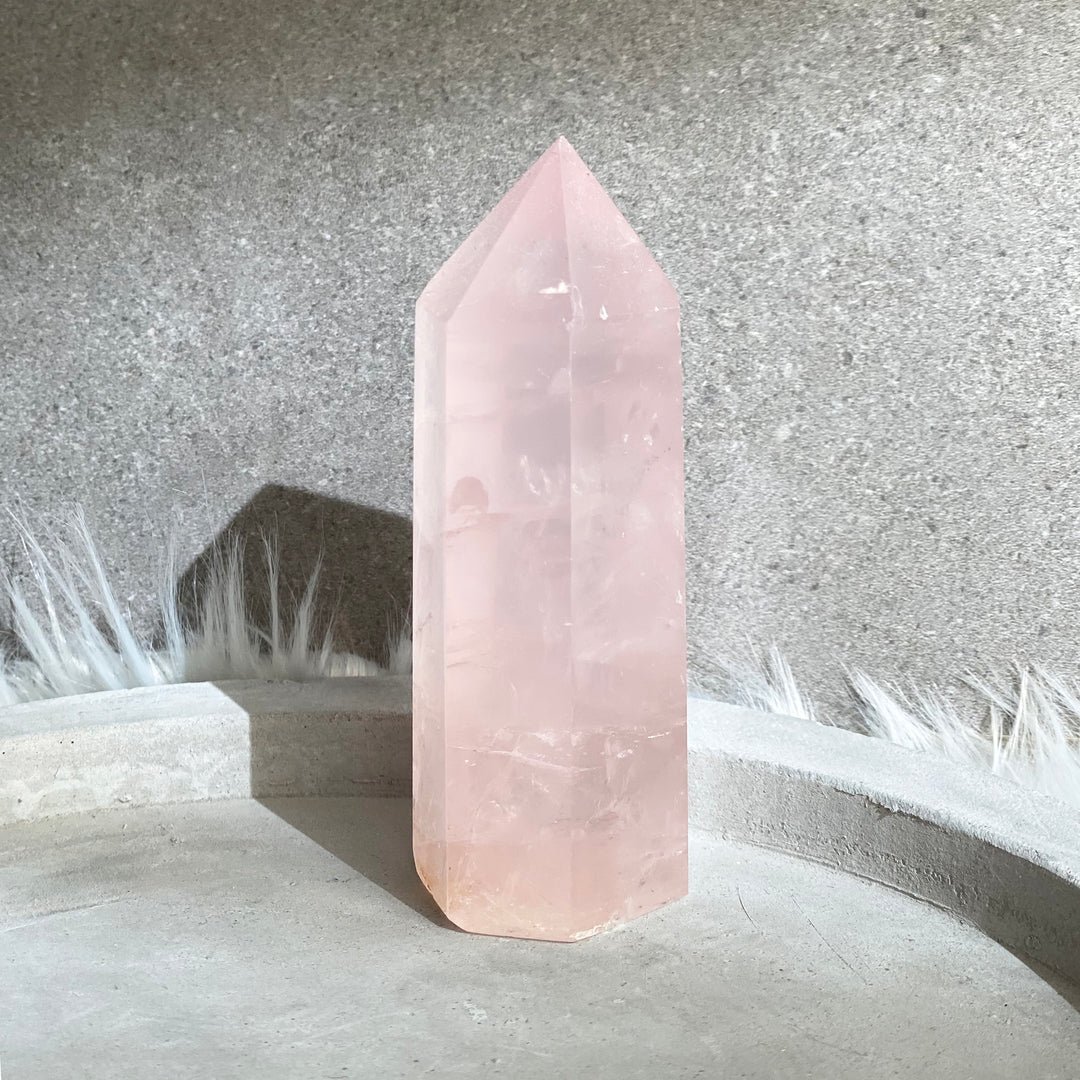
Rose Quartz Stone: Meaning, Properties, Benefits, Uses, History, and Complete Guide
Introduction to Rose Quartz Stone
Rose Quartz is one of the most beautiful and recognizable varieties of quartz in the world. Known for its soft pink color, gentle appearance, and attractive natural glow, this stone has been admired for centuries. It is commonly associated with love, friendship, compassion, emotional balance, and beauty. Because of its appealing color and relatively affordable price, Rose Quartz has become a popular choice for jewelry, home decoration, crystal collections, gifts, and ornamental objects.
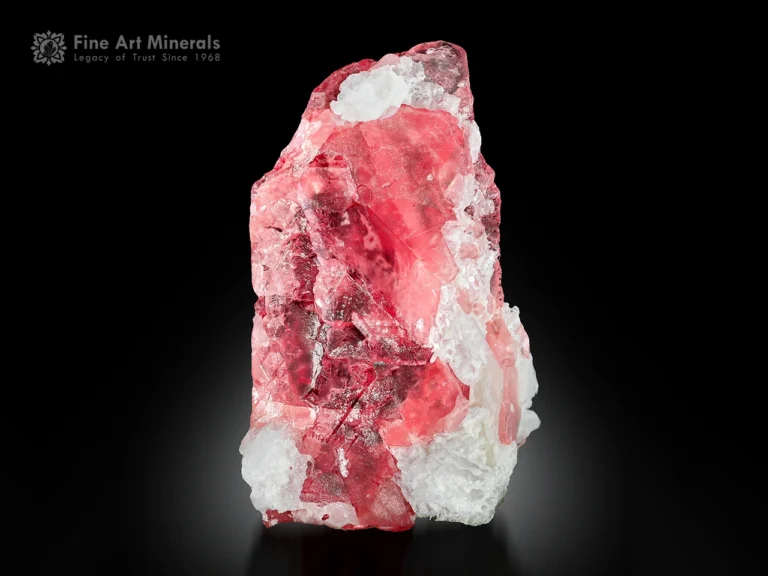
The color of Rose Quartz can range from very pale pink to a stronger pink shade. Its appearance may be transparent, translucent, or cloudy depending on the material and its internal structure. Some specimens have a subtle silky appearance caused by microscopic inclusions, while others have a more uniform pink color.
Rose Quartz is a member of the quartz mineral family. Quartz itself is one of the most abundant minerals found in Earth’s continental crust. Its chemical composition is primarily silicon dioxide, written as SiO₂. Rose Quartz gets its distinctive pink color from microscopic mineral inclusions and other structural factors rather than from a single simple coloring element in every specimen.
Today, Rose Quartz is popular among gemstone enthusiasts, jewelry lovers, collectors, interior decorators, and people interested in the cultural and historical meanings associated with crystals.
This complete guide explores Rose Quartz meaning, properties, colors, history, formation, uses, jewelry, value, care, symbolism, and frequently asked questions.
What Is Rose Quartz?
Rose Quartz is a pink variety of quartz that occurs naturally in several geological environments. Quartz is a hard mineral with a Mohs hardness of 7, making it suitable for many types of jewelry and decorative applications.
Unlike some gemstones that are famous for strong transparency and brilliant sparkle, Rose Quartz is usually valued for its soft color and smooth appearance. Many pieces have a cloudy or translucent look rather than being completely transparent.
The pink color of Rose Quartz is one of its most important characteristics. The shade can vary depending on the specimen and its geological origin. Some Rose Quartz is extremely light and delicate, while other specimens display a richer pink tone.
Rose Quartz can be found in large masses, making it useful not only as a gemstone but also for carvings, sculptures, polished stones, spheres, decorative objects, and ornamental pieces.
Rose Quartz Meaning
Rose Quartz is traditionally associated with love, kindness, compassion, peace, and emotional harmony. Because of its gentle pink color, it has long been connected with affectionate and caring symbolism.
In modern crystal culture, Rose Quartz is often described as a “stone of love.” This phrase is symbolic rather than a scientifically established property. People may keep Rose Quartz as a reminder of kindness, self-respect, friendship, positive relationships, and emotional calm.
The meaning of Rose Quartz can also differ between cultures, traditions, and individuals. Some people appreciate it simply because they find the stone beautiful, while others enjoy its traditional symbolism.
For many collectors, the appeal of Rose Quartz comes from a combination of its natural color, geological origin, historical associations, and decorative beauty.
Rose Quartz Color
The most recognizable feature of Rose Quartz is its pink color.
Rose Quartz can occur in several shades, including:
- Very pale pink
- Soft pastel pink
- Milky pink
- Peachy pink
- Medium pink
- Deeper rose-pink tones
The exact color depends on the geological characteristics of the specimen and microscopic inclusions within the mineral.
A natural Rose Quartz specimen may not have a perfectly uniform color. Small variations, cloudy areas, internal textures, and natural inclusions can make each piece unique.
This natural variation is one of the reasons collectors enjoy Rose Quartz. Two pieces from the same general locality can look noticeably different.
Rose Quartz Chemical Composition
Rose Quartz belongs to the quartz family and has the chemical formula:
SiO₂ — Silicon Dioxide
Quartz consists primarily of silicon and oxygen. Its crystal structure contributes to its hardness and durability.
The pink color of Rose Quartz is more complicated than simply saying that one particular element causes the color. Research has shown that microscopic inclusions and structural characteristics can contribute significantly to the pink appearance of many Rose Quartz specimens.
This is an important distinction because gemstones can receive their colors through different mechanisms. Some are colored by trace elements, while others owe their appearance to microscopic inclusions, defects, or structural effects.
Rose Quartz Hardness
Rose Quartz has a hardness of approximately 7 on the Mohs scale.
The Mohs scale measures a mineral’s resistance to scratching. Quartz is considerably harder than many everyday materials, but it is not impossible to scratch.
For comparison:
- Talc: 1
- Gypsum: 2
- Calcite: 3
- Fluorite: 4
- Apatite: 5
- Feldspar: 6
- Quartz: 7
- Topaz: 8
- Corundum: 9
- Diamond: 10
Because Rose Quartz is relatively hard, it can be used for rings, necklaces, bracelets, earrings, pendants, carvings, and decorative objects.
However, hardness does not mean that the stone is indestructible. Strong impacts can still chip or break quartz.
How Is Rose Quartz Formed?
Rose Quartz forms through geological processes involving silica-rich fluids and rocks. Quartz can crystallize when mineral-rich fluids move through cracks and spaces within rocks and eventually cool or undergo chemical changes.
Some Rose Quartz occurs in large masses rather than forming large, well-defined individual crystals. Its geological formation can take place over extremely long periods.
The exact conditions responsible for the pink color depend on the particular geological environment. Microscopic inclusions and structural characteristics can play an important role.
Because geological conditions vary from one location to another, Rose Quartz specimens can have different shades, textures, clarity levels, and appearances.
Where Is Rose Quartz Found?
Rose Quartz occurs in different parts of the world. Important sources and occurrences include regions in:
- Brazil
- Madagascar
- South Africa
- India
- United States
- Sri Lanka
- Mozambique
- Namibia
- Other quartz-producing regions
Brazil is particularly well known for Rose Quartz production and has supplied many attractive specimens to the international gemstone and mineral markets.
Different localities can produce Rose Quartz with different colors and textures. Collectors sometimes pay attention to the origin of a specimen because locality can influence its appearance and geological interest.
History of Rose Quartz
Quartz has been known and used by humans for thousands of years, and pink quartz materials have also appeared in historical objects and ornaments.
Ancient civilizations valued attractive stones for jewelry, decoration, seals, carvings, and symbolic purposes. Rose Quartz has been associated with beauty and affection in various modern interpretations of historical gemstone traditions.
However, many popular stories about ancient civilizations using Rose Quartz specifically for particular magical or romantic purposes are difficult to verify historically. It is therefore useful to distinguish documented archaeological evidence from modern crystal traditions and legends.
Over time, Rose Quartz became increasingly popular as a decorative stone and gemstone. Its soft pink color made it especially attractive for beads, pendants, carvings, and polished stones.
Rose Quartz in Jewelry
Rose Quartz is widely used in jewelry because of its attractive color and good durability.
Common Rose Quartz jewelry includes:
- Rose Quartz rings
- Rose Quartz necklaces
- Rose Quartz bracelets
- Rose Quartz earrings
- Rose Quartz pendants
- Rose Quartz beads
- Rose Quartz cabochons
Many Rose Quartz gemstones are cut as cabochons rather than faceted gemstones. A cabochon has a smooth, rounded surface instead of multiple flat facets.
This cutting style works particularly well for Rose Quartz because the stone’s appeal often comes from its soft color and smooth appearance rather than intense brilliance.
Rose Quartz Necklace
A Rose Quartz necklace can be a simple and elegant jewelry choice. The soft pink color works well with many clothing styles and metal colors.
Rose Quartz pendants may be:
- Heart-shaped
- Oval
- Round
- Teardrop-shaped
- Free-form
- Geometric
- Carved into decorative shapes
Some necklaces use polished beads, while others feature one larger central gemstone.
Because Rose Quartz is relatively affordable compared with many precious gemstones, it is accessible to a wide range of jewelry buyers.
Rose Quartz Bracelet
Rose Quartz bracelets are especially popular in bead jewelry.
Beaded bracelets can contain small round Rose Quartz beads, while other designs may use larger polished stones. The natural differences in color between beads can give a bracelet a distinctive appearance.
Rose Quartz bracelets are often purchased because of their soft pink aesthetic and traditional symbolism. They can also be combined with other gemstones to create colorful jewelry designs.
Rose Quartz Ring
Rose Quartz rings can be beautiful statement pieces. Many are made with cabochon-cut stones because the smooth surface emphasizes the gemstone’s color.
However, Rose Quartz rings should be treated with reasonable care. Rings experience more physical contact than necklaces or earrings, so the gemstone may be exposed to knocks and scratches.
Protective settings can help reduce the risk of damage.
Rose Quartz Earrings
Rose Quartz earrings are another popular way to wear this gemstone.
Small Rose Quartz stones can create a subtle look, while larger earrings can become a stronger fashion accessory. The stone’s pale pink color can complement both silver-colored and gold-colored metals.
Earrings are generally less exposed to impact than rings, making them a practical choice for people who want to wear Rose Quartz regularly.
Rose Quartz Cabochon
A cabochon is a gemstone with a smooth, polished, rounded surface rather than a faceted design.
Rose Quartz is commonly cut as a cabochon because this style emphasizes its soft pink color and smooth appearance.
Some cabochons may show interesting internal textures or optical effects. Certain quartz specimens can display asterism, a star-like optical phenomenon, when cut and oriented appropriately.
High-quality material showing attractive optical characteristics can be particularly interesting to collectors.
Rose Quartz and Its Optical Effects
Some Rose Quartz specimens may display asterism. Asterism is an optical phenomenon in which reflected light creates a star-like pattern across the surface of a properly cut gemstone.
This effect is related to microscopic inclusions and the orientation of the material.
Star Rose Quartz is relatively uncommon compared with ordinary massive Rose Quartz. When properly cut and illuminated, a star effect can make the stone especially attractive.
Not every Rose Quartz specimen will display asterism.
Rose Quartz Benefits: What Does Science Say?
Rose Quartz is often promoted in crystal culture as having emotional or physical benefits. These claims should be understood as traditional or spiritual beliefs rather than scientifically established medical effects.
There is no strong scientific evidence that carrying or wearing Rose Quartz can treat diseases, heal injuries, change hormones, or replace medical treatment.
People may nevertheless find symbolic or personal value in crystals. For example, someone may use a Rose Quartz stone as a reminder to practice kindness, patience, relaxation, or self-care.
This kind of personal meaning can be valuable without presenting the stone as a medical treatment.
Rose Quartz and Emotional Symbolism
Rose Quartz is strongly connected with emotional symbolism.
Its soft pink color is often associated with:
- Love
- Friendship
- Compassion
- Kindness
- Peace
- Understanding
- Emotional warmth
- Positive relationships
These associations are cultural and symbolic rather than scientific facts.
Many people enjoy using Rose Quartz as a decorative reminder of positive values.
Rose Quartz and Meditation
Some people include Rose Quartz in meditation or relaxation routines.
A person may hold a polished stone while focusing on breathing, mindfulness, gratitude, or positive thoughts.
The gemstone itself has not been scientifically proven to produce special meditation effects. However, an object can serve as a physical reminder to slow down and concentrate.
In this way, Rose Quartz may function as a personal mindfulness symbol.
Rose Quartz for Home Decoration
Rose Quartz is not limited to jewelry.
Large pieces of Rose Quartz can be used for home decoration. Popular decorative forms include:
- Polished chunks
- Spheres
- Hearts
- Towers
- Pyramids
- Bookends
- Carvings
- Small sculptures
- Mineral specimens
Its soft pink color can add a decorative touch to bedrooms, offices, shelves, display cabinets, and living spaces.
Rose Quartz Crystal Shapes
Rose Quartz is often sold in different shapes.
Rose Quartz Heart
Heart-shaped Rose Quartz is one of the most popular forms because the heart naturally matches the stone’s traditional association with love and affection.
Rose Quartz Sphere
A polished Rose Quartz sphere provides a smooth, rounded appearance. It is popular among collectors and home decorators.
Rose Quartz Tower
Tower-shaped pieces are often cut and polished into tall geometric forms. These pieces can work well as decorative objects.
Rose Quartz Palm Stone
Palm stones are smooth, rounded stones designed to fit comfortably in the hand. Many people use them as decorative or mindfulness objects.
Rose Quartz Value
The value of Rose Quartz depends on several factors.
Important factors include:
- Color
- Clarity
- Transparency
- Size
- Cut
- Polish
- Origin
- Unusual optical effects
- Overall quality
- Market demand
Most ordinary Rose Quartz is relatively affordable. This makes it one of the more accessible gemstones for beginners.
However, unusually attractive specimens, rare optical effects, large museum-quality pieces, or exceptional collector specimens can have significantly higher values.
Price should therefore be evaluated based on the specific piece rather than the name “Rose Quartz” alone.
Is Rose Quartz Expensive?
In general, ordinary Rose Quartz is not considered one of the world’s most expensive gemstones.
Its widespread availability and relatively easy processing contribute to its affordability.
Small polished stones and simple jewelry pieces can often be inexpensive, while larger decorative pieces or high-quality collector specimens may cost considerably more.
The presence of a rare optical effect, unusual color, exceptional size, or notable locality can increase the value.
How to Identify Natural Rose Quartz
Identifying gemstones can sometimes be difficult, especially when synthetic, treated, or imitation materials are involved.
Some general characteristics of natural Rose Quartz include:
- Soft pink coloration
- Quartz-like hardness
- Translucent or cloudy appearance
- Natural internal variations
- Smooth glassy luster when polished
However, appearance alone is not always enough to determine authenticity.
For an expensive specimen, professional gemological testing is a safer approach.
Rose Quartz vs Pink Glass
Pink glass can sometimes resemble Rose Quartz.
Glass may have:
- Very uniform color
- Rounded bubbles
- Different internal characteristics
- Lower hardness than quartz
Natural Rose Quartz typically has the physical properties of quartz.
A simple scratch test is not recommended for valuable jewelry because it can damage the item or its setting. Professional testing is preferable when authenticity is important.
Rose Quartz vs Pink Amethyst
Rose Quartz and pink-colored varieties of other quartz materials can sometimes be confused.
Rose Quartz is generally known for its soft pink, often cloudy appearance. Pink amethyst is a separate material and has different geological characteristics.
Because gemstone names can sometimes be used loosely in the marketplace, buyers should check mineral identification carefully.
How to Clean Rose Quartz
Rose Quartz is relatively easy to care for.
For ordinary cleaning, use:
- Lukewarm water
- Mild soap
- A soft cloth
- Gentle handling
Avoid aggressive chemicals and harsh cleaning methods.
After cleaning, rinse carefully and dry the stone with a soft cloth.
For jewelry, pay attention not only to the Rose Quartz but also to the metal and setting. Some jewelry materials may require different care.
Can Rose Quartz Go in Water?
Quartz itself is relatively durable, but prolonged exposure to water is unnecessary for routine care.
For cleaning, a short rinse with ordinary water is generally sufficient. Avoid using extremely hot water or sudden temperature changes.
If Rose Quartz is part of a jewelry piece, consider the entire item rather than only the gemstone. Certain metals, treatments, adhesives, or other materials may not respond well to prolonged water exposure.
Can Rose Quartz Be Exposed to Sunlight?
Rose Quartz is generally durable under ordinary conditions, but prolonged exposure to intense sunlight may not be ideal for any decorative gemstone, particularly if its color stability is important.
For long-term storage, keeping Rose Quartz away from unnecessary extreme heat and intense direct sunlight is a sensible precaution.
A jewelry box, drawer, or display area away from harsh sunlight can help protect the stone.
How to Store Rose Quartz
Proper storage can help prevent scratches and damage.
Keep Rose Quartz:
- Away from harder gemstones
- In a soft pouch
- Inside a lined jewelry box
- Separated from other jewelry
- Away from extreme heat
- Away from harsh chemicals
Although quartz is hard, another hard material can still scratch its surface.
Rose Quartz for Collectors
Rose Quartz is an excellent starting point for people interested in mineral collecting.
It is relatively accessible, visually attractive, and available in many forms.
Collectors may focus on:
- Different localities
- Color variations
- Large specimens
- Unusual formations
- Asteriated Rose Quartz
- Natural crystal specimens
- Carved pieces
- Historical specimens
A good mineral collection does not necessarily need expensive stones. Geological interest, provenance, appearance, and personal enjoyment can all be important.
Famous Rose Quartz Producing Regions
Brazil
Brazil is one of the best-known sources of Rose Quartz. Brazilian material appears in jewelry, mineral collections, decorative objects, and commercial gemstone markets.
Madagascar
Madagascar is famous for its remarkable mineral diversity and produces attractive Rose Quartz specimens as well as many other gemstones and minerals.
South Africa
South Africa has important mineral resources and is also associated with quartz occurrences.
India
India has a long history of gemstone and mineral use and is connected with various quartz-producing regions.
Rose Quartz in Modern Fashion
Rose Quartz has remained popular in fashion because its pink color works well with modern jewelry designs.
Designers can combine it with:
- Sterling silver
- Gold
- Rose gold
- Stainless steel
- Other gemstones
- Beaded materials
Its soft color makes it suitable for minimalist jewelry as well as larger statement pieces.
Rose Quartz as a Gift
Rose Quartz is frequently chosen as a gift because of its traditional association with love, friendship, kindness, and affection.
It can be given as:
- A pendant
- A bracelet
- A pair of earrings
- A polished stone
- A heart carving
- A decorative sphere
- A mineral specimen
The meaning of a gift often comes from the intention behind it. A Rose Quartz gift can be a simple way to symbolize appreciation and care.
Rose Quartz for Birthdays and Special Occasions
Rose Quartz can be suitable for many occasions.
People may choose it for:
- Birthdays
- Friendship gifts
- Anniversaries
- Valentine’s Day
- Mother’s Day
- Graduation gifts
- Housewarming gifts
- Personal collections
The soft pink appearance makes it easy to pair with different gift styles.
Rose Quartz and Zodiac Associations
Crystal and gemstone traditions sometimes associate Rose Quartz with particular zodiac signs. However, these associations vary between sources and are not scientific classifications.
Astrology and crystal symbolism are cultural or spiritual systems rather than mineralogical science.
If someone enjoys zodiac traditions, Rose Quartz can be used as a symbolic gemstone according to their preferred tradition.
Rose Quartz and Feng Shui
Rose Quartz is sometimes used in Feng Shui-inspired decoration, especially in spaces associated with relationships, harmony, and calm.
It may be displayed in bedrooms, living spaces, or decorative areas.
Feng Shui interpretations are traditional and cultural rather than scientifically proven effects of the mineral itself.
Rose Quartz and Love Symbolism
The connection between Rose Quartz and love is probably its most famous modern association.
Its pink color naturally reminds many people of affection and warmth. As a result, Rose Quartz has become a popular symbolic gift between friends and family members as well as romantic partners.
The stone itself does not create or guarantee a relationship. Its value in this context is symbolic.
A person may keep it as a reminder to communicate respectfully, appreciate others, and practice kindness.
Rose Quartz for Self-Care
Rose Quartz can also be incorporated into simple self-care routines.
For example, someone might place a polished stone on a desk as a visual reminder to:
- Take breaks
- Practice gratitude
- Be patient
- Treat themselves kindly
- Stay calm during stressful moments
These are behavioral reminders rather than proven effects of the mineral.
Rose Quartz Massage Tools
Rose Quartz is sometimes carved into beauty and massage tools such as rollers and gua sha-style stones.
These products have become popular in skincare and beauty markets.
It is important to understand that the gemstone material itself has not been established as a special medical treatment. Any benefit from gentle massage would primarily relate to the physical massage process rather than a scientifically proven energy effect from Rose Quartz.
Tools should be cleaned properly and used gently.
Rose Quartz in Interior Design
Rose Quartz can be used as an accent material in interior design.
Ideas include:
- Small mineral displays
- Decorative bowls
- Bookends
- Polished slabs
- Desk ornaments
- Crystal collections
- Decorative sculptures
Its pastel pink color can work especially well with neutral interiors, modern rooms, minimalist designs, and soft decorative themes.
Rose Quartz and Other Pink Gemstones
Rose Quartz is not the only pink gemstone.
Other pink gemstones include:
- Pink Sapphire
- Morganite
- Pink Tourmaline
- Kunzite
- Rhodonite
- Pink Opal
- Pink Spinel
Each has different physical and optical properties.
Rose Quartz is often chosen because it combines an attractive pink appearance with relatively high availability and affordability.
Rose Quartz vs Pink Sapphire
Pink Sapphire is much harder than Rose Quartz, with a Mohs hardness of 9.
Pink Sapphire can also have greater brilliance when properly faceted.
Rose Quartz, however, offers a softer, more translucent appearance and is generally more affordable.
The best choice depends on whether the buyer prioritizes durability, rarity, brilliance, color, or price.
Rose Quartz vs Morganite
Morganite is a pink to peach variety of beryl.
It can have attractive transparency and brilliance, especially when faceted.
Rose Quartz is generally more cloudy or translucent, giving it a completely different visual character.
Both are attractive, but they serve different aesthetic preferences.
Rose Quartz vs Pink Tourmaline
Pink Tourmaline can range from light pink to vivid pink and may have excellent transparency.
Rose Quartz is generally softer-looking and more affordable.
Pink Tourmaline is often chosen for colorful fine jewelry, while Rose Quartz is popular for casual jewelry, decorative pieces, and crystal collections.
Common Myths About Rose Quartz
Many claims about Rose Quartz circulate online.
Some common claims say that Rose Quartz can:
- Cure illness
- Guarantee love
- Change another person’s feelings
- Remove medical conditions
- Replace professional treatment
- Produce supernatural results
These claims are not supported by strong scientific evidence.
Rose Quartz can be appreciated for its beauty, cultural symbolism, historical interest, and personal meaning without making unsupported health claims.
Is Rose Quartz a Real Gemstone?
Yes. Rose Quartz is a natural mineral variety of quartz and is commonly used as a gemstone and ornamental material.
Its natural geological origin and physical properties make it a legitimate mineral specimen.
However, because quartz is widely available, not every pink stone sold under a gemstone-related name is necessarily natural Rose Quartz. Buyers should exercise care when purchasing expensive pieces.
Is Rose Quartz Rare?
Ordinary Rose Quartz is not considered extremely rare.
It occurs in several parts of the world and is commercially available.
However, certain varieties or specimens can be much less common. For example, material with an attractive star effect, unusual color, exceptional size, or notable locality may be more collectible.
Therefore, “Rose Quartz” as a mineral is common enough to be accessible, while exceptional specimens can still be highly interesting.
Why Is Rose Quartz Pink?
The pink color of Rose Quartz is associated with microscopic inclusions and structural characteristics within the quartz.
The exact cause can vary depending on the material. Some Rose Quartz contains microscopic fibrous inclusions that influence its color and optical appearance.
This is why Rose Quartz can have a soft, hazy, or silky appearance instead of the crystal-clear look associated with some other varieties of quartz.
Does Rose Quartz Fade?
Natural gemstones can sometimes change appearance under environmental conditions.
Rose Quartz is generally reasonably stable, but it is still sensible to avoid unnecessary prolonged exposure to intense heat and sunlight.
Proper storage can help preserve the stone’s appearance over time.
How to Polish Rose Quartz
Rose Quartz can be shaped and polished using appropriate lapidary techniques.
The process may involve:
- Selecting suitable rough material
- Cutting the rough stone
- Shaping the piece
- Grinding the surface
- Progressively smoothing the material
- Polishing the final surface
Professional lapidaries use specialized equipment and abrasives.
Quartz is hard, so working with it requires suitable tools and safety practices.
Rose Quartz Rough Stone
Rough Rose Quartz is popular among mineral collectors.
Unlike polished Rose Quartz, rough specimens preserve more of the natural surface and geological character.
Rough pieces may show:
- Natural fractures
- Uneven surfaces
- Mineral inclusions
- Different shades of pink
- Quartz textures
- Matrix material
Collectors often enjoy rough stones because they provide a closer look at the material’s natural form.
Rose Quartz Crystal Collection
A Rose Quartz collection can include specimens of different sizes, shapes, origins, and finishes.
A beginner’s collection might contain:
- One rough specimen
- One polished stone
- One cabochon
- One jewelry piece
- One decorative carving
Over time, collectors can explore specimens from different localities and compare their colors and textures.
Buying Rose Quartz: A Beginner’s Guide
When buying Rose Quartz, consider the following factors.
- Color
Look for a color that you personally find attractive.
- Surface Quality
Check for excessive scratches, chips, or damage.
- Transparency
Some buyers prefer cloudy material, while others prefer more translucent pieces.
- Size
Larger pieces are often more expensive, but size alone does not determine quality.
- Craftsmanship
For jewelry and carvings, examine the cutting and polishing quality.
- Seller Reputation
For valuable purchases, buy from a reputable seller and ask about authenticity.
- Treatment Disclosure
Ask whether the stone has been dyed, treated, or otherwise altered.
How to Tell Good Quality Rose Quartz
There is no single universal definition of “perfect” Rose Quartz because preferences vary.
Generally, attractive material may have:
- Pleasant pink color
- Good polish
- Interesting natural texture
- Minimal distracting damage
- Appropriate transparency for the intended use
- Attractive shape
For collectors, rarity and geological significance may be more important than commercial appearance.
Rose Quartz for Beginners
Rose Quartz is an excellent gemstone for beginners because it is:
- Attractive
- Widely available
- Relatively affordable
- Durable enough for many uses
- Easy to find in jewelry
- Available in many shapes
- Interesting from a geological perspective
It provides an easy introduction to mineral collecting and gemstone appreciation.
Environmental and Ethical Considerations
Like many mined minerals, Rose Quartz can have environmental and social impacts depending on how and where it is extracted.
Responsible buyers can consider:
- Seller transparency
- Known origin
- Responsible sourcing policies
- Fair labor practices
- Environmental practices
- Avoiding suspiciously cheap material
The gemstone industry is diverse, so purchasing from transparent and reputable sources can help support better practices.
Rose Quartz in Popular Culture
Rose Quartz has become particularly popular through modern crystal culture, wellness trends, jewelry fashion, social media, and interior decoration.
Its recognizable pink color makes it highly photogenic and easy to incorporate into lifestyle content.
However, popularity on social media should not be confused with scientific evidence. Claims about supernatural or medical powers should always be evaluated critically.
Interesting Facts About Rose Quartz
Here are some interesting facts about Rose Quartz:
- Rose Quartz belongs to the quartz mineral family.
- Its chemical formula is SiO₂.
- Quartz has a Mohs hardness of 7.
- Rose Quartz is famous for its pink color.
- It is commonly found in massive form rather than large individual crystals.
- Brazil is an important source of Rose Quartz.
- Some Rose Quartz can display asterism.
- It is widely used for jewelry.
- It is also used for carvings and decorative objects.
- Rose Quartz is popular in modern crystal culture.
- Its traditional symbolism includes love and compassion.
- Ordinary Rose Quartz is generally affordable.
- High-quality or unusual specimens can be collectible.
- Rose Quartz can occur in different shades of pink.
- It is one of the most recognizable pink mineral varieties.
Frequently Asked Questions About Rose Quartz
What is Rose Quartz?
Rose Quartz is a pink variety of quartz, a mineral composed primarily of silicon dioxide. It is commonly used in jewelry, decorative objects, carvings, and mineral collections.
What does Rose Quartz symbolize?
Rose Quartz is traditionally associated with love, compassion, friendship, kindness, and emotional harmony. These are symbolic and cultural associations.
Is Rose Quartz a real stone?
Yes. Natural Rose Quartz is a genuine mineral variety of quartz.
Is Rose Quartz expensive?
Most ordinary Rose Quartz is relatively affordable. Rare, unusually attractive, very large, or optically interesting specimens can cost more.
Where is Rose Quartz found?
Important occurrences and commercial sources include Brazil, Madagascar, South Africa, India, and other quartz-producing regions.
What color is Rose Quartz?
Rose Quartz is usually pink, ranging from very pale pink to stronger rose-pink shades.
Can Rose Quartz be used in jewelry?
Yes. Rose Quartz is widely used in rings, bracelets, necklaces, earrings, pendants, beads, and cabochons.
Is Rose Quartz hard?
Rose Quartz has a Mohs hardness of about 7, which makes it suitable for many jewelry and decorative applications.
Can Rose Quartz go in water?
A brief rinse for cleaning is generally fine, but prolonged soaking is unnecessary. Jewelry containing Rose Quartz should be considered as a whole because other components may be more sensitive to water.
Can Rose Quartz be placed in sunlight?
Ordinary conditions are generally not a major concern, but prolonged exposure to intense sunlight and heat is best avoided when possible.
Does Rose Quartz have healing powers?
There is no strong scientific evidence that Rose Quartz has supernatural or medical healing powers. Its emotional and spiritual associations belong to traditional and modern crystal practices.
What is Rose Quartz used for?
Rose Quartz is used for jewelry, mineral collecting, decoration, carvings, ornaments, gifts, and symbolic purposes.
Why is Rose Quartz pink?
Its pink color is associated with microscopic inclusions and structural characteristics within the quartz.
Is Rose Quartz good for beginners?
Yes. Its attractive appearance, availability, affordability, and durability make it a popular choice for beginner collectors and gemstone enthusiasts.
Conclusion
Rose Quartz is one of the world’s most recognizable pink gemstones and mineral varieties. Its soft color, attractive appearance, geological story, and long-standing symbolic associations have made it popular among jewelry lovers, collectors, decorators, and crystal enthusiasts.
From simple polished stones to elegant necklaces, bracelets, cabochons, carvings, and large mineral specimens, Rose Quartz can be enjoyed in many different forms. Its Mohs hardness of approximately 7 provides reasonable durability for numerous everyday applications, although proper care is still important.
The stone is traditionally associated with love, compassion, kindness, friendship, and emotional harmony. These meanings are best understood as cultural and personal symbolism rather than scientifically proven effects.
For collectors, Rose Quartz offers an accessible introduction to the fascinating world of minerals. Its different colors, textures, localities, forms, and occasional optical effects make it an interesting subject for both beginners and experienced enthusiasts.
Whether you choose Rose Quartz because of its beautiful pink color, its geological significance, its use in jewelry, or its traditional symbolism, it remains a fascinating natural material with a unique place in the world of gemstones and minerals.
SEO Keywords
Rose Quartz, Rose Quartz stone, Rose Quartz meaning, Rose Quartz benefits, Rose Quartz properties, Rose Quartz gemstone, Rose Quartz crystal, natural Rose Quartz, Rose Quartz jewelry, Rose Quartz necklace, Rose Quartz bracelet, Rose Quartz ring, Rose Quartz earrings, Rose Quartz color, Rose Quartz value, Rose Quartz price, Rose Quartz healing, Rose Quartz stone benefits, Rose Quartz crystal meaning, Rose Quartz uses, Rose Quartz history, Rose Quartz facts, Rose Quartz care, Rose Quartz formation, where is Rose Quartz found, pink quartz stone, pink gemstone, natural pink stone, Rose Quartz for beginners, Rose Quartz guide.
Suggested SEO Title
Rose Quartz Stone: Meaning, Properties, Benefits, Uses, Value & Complete Guide
Suggested Meta Description
Discover Rose Quartz stone, including its meaning, properties, color, history, uses, jewelry, value, care tips, geological formation, and interesting facts.
Suggested URL Slug
rose-quartz-stone-meaning-properties-benefits