Rhodochrosite Stone: Meaning, Properties, Uses, Benefits, Value, and Complete Guide
Introduction to Rhodochrosite Stone
Rhodochrosite is one of the most beautiful and distinctive gemstones found in the world. Famous for its attractive pink to reddish-pink colors and naturally occurring white banding, Rhodochrosite has become popular among gemstone collectors, jewelry enthusiasts, mineral lovers, and people interested in the natural beauty of crystals.
The name Rhodochrosite comes from the Greek words “rhodon,” meaning rose, and “chros,” meaning color. This name is particularly appropriate because many Rhodochrosite specimens display beautiful rose-pink shades. Depending on its mineral composition and formation conditions, the stone can also appear red, orange, gray, brown, or nearly white.
Rhodochrosite is a manganese carbonate mineral with the chemical formula MnCO₃. It commonly forms in hydrothermal deposits associated with other minerals and ores. Some specimens develop attractive curved or concentric bands, making them especially desirable for collectors and ornamental objects.
Beyond its geological importance, Rhodochrosite has developed a fascinating cultural reputation. In crystal and spiritual traditions, it is often associated with emotional balance, compassion, confidence, and self-reflection. These traditional associations are not scientifically established medical treatments, but they contribute to the stone’s popularity among crystal enthusiasts.
This comprehensive guide explores Rhodochrosite stone meaning, history, geological properties, colors, varieties, formation, locations, uses, jewelry, value, identification, care, and frequently asked questions.
What Is Rhodochrosite Stone?
Rhodochrosite is a manganese carbonate mineral belonging to the carbonate mineral group. Its chemical composition is primarily manganese carbonate, represented by the formula MnCO₃.
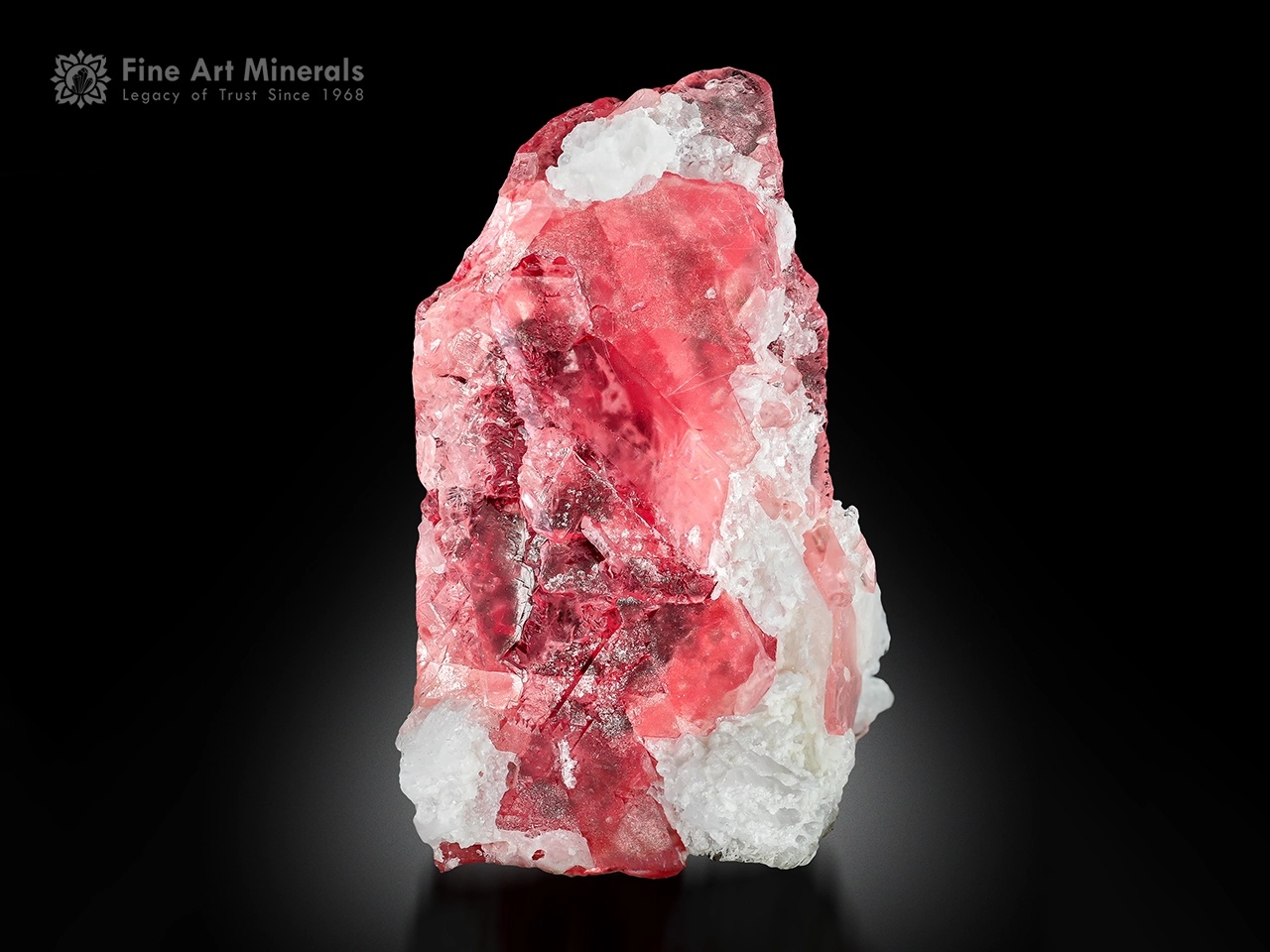
The stone is best known for its pink and reddish coloration. The color can range from pale pink to deep raspberry red, while white or lighter bands may create attractive patterns across the surface.
One of the most recognizable characteristics of Rhodochrosite is its banding. Certain specimens display curved, concentric layers that resemble the growth rings of a tree. These patterns can make polished Rhodochrosite particularly attractive.
Rhodochrosite can occur as crystals, granular masses, stalactitic formations, and banded aggregates. Well-formed transparent crystals are relatively uncommon and can be highly desirable to mineral collectors.
Although Rhodochrosite is often used as a gemstone, it is softer than many traditional jewelry stones. Therefore, it requires appropriate care, particularly when used in rings or other jewelry exposed to frequent impact.
Rhodochrosite Stone Meaning
The traditional meaning of Rhodochrosite is strongly connected with love, compassion, emotional awareness, and personal growth.
Because of its rose-pink color, Rhodochrosite is frequently associated with affection and emotional warmth. Crystal enthusiasts sometimes describe it as a stone representing self-love and positive emotional development.
In spiritual traditions, Rhodochrosite is sometimes viewed as a symbol of:
- Love
- Compassion
- Emotional awareness
- Confidence
- Self-acceptance
- Personal growth
- Inner strength
- Positive thinking
These meanings are cultural and spiritual interpretations rather than scientifically proven properties.
The stone’s attractive appearance also makes it popular as a decorative mineral regardless of whether someone believes in crystal symbolism.
Rhodochrosite Stone History
Rhodochrosite has been known and collected for centuries, particularly in regions with significant manganese deposits.
One of the most famous sources of Rhodochrosite is Argentina. The country’s Catamarca Province is well known for producing spectacular banded Rhodochrosite specimens.
Argentina is particularly famous for stalactitic Rhodochrosite, where layers of pink mineral develop in rounded or curved patterns. These specimens are highly valued by mineral collectors because of their distinctive appearance.
Rhodochrosite has also been discovered in several other parts of the world, including the United States, Peru, South Africa, Mexico, Romania, and other mineral-producing regions.
The mineral became increasingly popular among collectors as mineral specimens and lapidary materials became more widely traded internationally.
Rhodochrosite Geological Properties
Rhodochrosite belongs to the carbonate mineral group.
Chemical Formula
The chemical formula of Rhodochrosite is:
MnCO₃
This indicates that it consists primarily of manganese, carbon, and oxygen.
Mineral Group
Rhodochrosite belongs to the carbonate mineral family and is closely related to other carbonate minerals.
Crystal System
Rhodochrosite crystallizes in the trigonal crystal system.
Mohs Hardness
Rhodochrosite generally has a Mohs hardness of approximately 3.5 to 4.
This relatively low hardness means that it can scratch more easily than harder gemstones such as quartz, sapphire, and diamond.
Luster
Its luster can range from vitreous to pearly depending on the specimen and surface.
Transparency
Rhodochrosite may be transparent, translucent, or opaque.
Transparent crystals are particularly interesting to mineral collectors.
Cleavage
Rhodochrosite has rhombohedral cleavage, which is an important feature for mineral identification.
Specific Gravity
Its specific gravity is generally around 3.5 to 3.7.
What Color Is Rhodochrosite?
Pink is the most famous color associated with Rhodochrosite.
However, natural Rhodochrosite can occur in several colors, including:
- Light pink
- Rose pink
- Deep pink
- Red
- Orange
- Gray
- Brown
- White
- Yellowish tones
The exact color depends on mineral composition, impurities, and geological conditions.
Pink Rhodochrosite is especially popular for jewelry and decorative purposes. Deep pink and raspberry-colored specimens with attractive patterns can be particularly desirable.
Why Does Rhodochrosite Have White Bands?
One of the most fascinating characteristics of Rhodochrosite is its natural banding.
Many specimens contain alternating layers of pink and white material. These bands develop as mineral-rich solutions move through geological cavities and deposit minerals over time.
The result can be concentric or curved patterns.
Some polished Rhodochrosite pieces look almost like natural artwork because the bands form unique shapes that vary from specimen to specimen.
This natural pattern is one of the main reasons collectors and jewelry designers appreciate Rhodochrosite.
How Is Rhodochrosite Formed?
Rhodochrosite generally forms in hydrothermal environments associated with manganese deposits.
Hot, mineral-rich fluids move through cracks and cavities in rocks. As temperature, pressure, and chemical conditions change, minerals begin to crystallize and accumulate.
Over long periods, repeated mineral deposition can produce layers and bands.
In some locations, Rhodochrosite forms in cavities associated with silver, lead, copper, and other minerals.
This geological process can create crystals, massive formations, and distinctive banded specimens.
Where Is Rhodochrosite Found?
Rhodochrosite occurs in several parts of the world.
Important localities include:
Argentina
Argentina is one of the most famous sources of Rhodochrosite. The Catamarca region is especially known for attractive banded and stalactitic specimens.
United States
Rhodochrosite has been found in several U.S. locations. Colorado is particularly famous for high-quality Rhodochrosite specimens.
Peru
Peru is another important source of Rhodochrosite and has produced attractive mineral specimens.
South Africa
South African deposits have also produced Rhodochrosite specimens.
Mexico
Mexico is another country where Rhodochrosite can occur in mineral deposits.
Romania
Romania has produced interesting Rhodochrosite crystals and mineral specimens.
The appearance and quality of Rhodochrosite can vary considerably depending on its geological source.
Rhodochrosite in Colorado
Colorado is especially significant in the history of Rhodochrosite.
The Sweet Home Mine near Alma, Colorado, became famous for producing exceptional Rhodochrosite crystals. Some specimens from this locality display striking deep-red to pink colors and excellent crystal forms.
These specimens are highly regarded by mineral collectors.
Colorado Rhodochrosite is also associated with the state’s rich mining history and mineral heritage.
Rhodochrosite and Argentina
Argentina has produced some of the world’s most recognizable Rhodochrosite specimens.
The mineral is strongly associated with the Catamarca region, where spectacular banded material occurs.
Some Argentine Rhodochrosite develops rounded or stalactitic forms with alternating pink and white layers.
Because of its distinctive appearance and historical importance, Argentine Rhodochrosite is highly popular among collectors.
Rhodochrosite Crystal Shapes
Rhodochrosite crystals can occur in several forms.
Common crystal shapes include:
- Rhombohedral crystals
- Scalenohedral forms
- Granular masses
- Stalactitic structures
- Banded aggregates
Well-formed crystals are especially attractive to mineral collectors.
Massive and banded material is more commonly cut and polished for decorative objects and jewelry.
Rhodochrosite Jewelry
Rhodochrosite can be used to make beautiful jewelry, especially when the stone displays attractive pink colors and natural patterns.
Common Rhodochrosite jewelry includes:
- Pendants
- Necklaces
- Earrings
- Bracelets
- Cabochons
- Collector jewelry
- Decorative gemstone pieces
Because Rhodochrosite is relatively soft, jewelry designers often choose settings that provide additional protection.
Pendants and earrings can be practical choices because they usually experience less impact than rings.
Rhodochrosite Rings
Rhodochrosite rings can be beautiful, but they require careful handling.
With a Mohs hardness of approximately 3.5 to 4, Rhodochrosite can be scratched relatively easily.
For this reason, it may not be the best choice for a ring intended for constant everyday wear.
If you wear a Rhodochrosite ring, it is advisable to remove it before activities that could expose the stone to impact, abrasion, or harsh chemicals.
Rhodochrosite Necklaces and Pendants
Pendants are among the more practical ways to wear Rhodochrosite.
A pendant generally receives less direct impact than a ring, allowing the stone’s attractive pink color and patterns to remain visible while reducing the risk of scratching.
Large polished Rhodochrosite pieces can make especially attractive statement pendants.
Rhodochrosite Earrings
Rhodochrosite earrings are another popular jewelry option.
Because earrings usually experience less physical contact than rings, they can be a suitable way to enjoy this relatively soft gemstone.
Polished cabochons and small crystals can both be incorporated into earring designs.
Rhodochrosite Cabochons
Cabochon cutting is especially suitable for opaque or translucent Rhodochrosite.
A cabochon has a smooth, rounded surface rather than the multiple facets commonly seen on transparent gemstones.
This type of cutting allows the natural color and banding of Rhodochrosite to become the main visual feature.
Highly patterned cabochons can display beautiful swirls, rings, and layers.
Rhodochrosite Benefits: Traditional Crystal Beliefs
Rhodochrosite is widely discussed in crystal communities because of its traditional spiritual associations.
Crystal enthusiasts often connect it with:
Emotional Awareness
Some traditions associate Rhodochrosite with becoming more aware of emotions and encouraging self-reflection.
Compassion
Its pink color has led to associations with kindness, affection, and compassion.
Confidence
Some crystal traditions describe Rhodochrosite as a symbol of confidence and emotional courage.
Self-Love
Rhodochrosite is frequently associated with self-acceptance and positive personal development.
Personal Growth
Some people use Rhodochrosite as a symbolic reminder of learning from experiences and moving forward.
It is important to understand that these are traditional or spiritual beliefs. There is no reliable scientific evidence that Rhodochrosite can treat medical or psychological conditions.
Rhodochrosite and the Heart Chakra
In some crystal traditions, Rhodochrosite is associated with the heart chakra.
The heart chakra is part of certain spiritual systems and is traditionally connected with themes such as love, compassion, and emotional balance.
People who follow crystal practices may use pink stones such as Rhodochrosite as symbolic objects during meditation or personal reflection.
These practices can be meaningful to individuals, but they should not be considered a substitute for professional medical or mental-health care.
Rhodochrosite and Meditation
Some people use Rhodochrosite during meditation because of its calming appearance and symbolic associations.
A person might simply hold a polished stone while focusing on breathing or personal thoughts.
There is no scientific evidence that Rhodochrosite itself produces specific medical effects. However, using a meaningful object during meditation can serve as a personal mindfulness ritual.
How to Use Rhodochrosite
There are several simple ways people enjoy Rhodochrosite.
As Jewelry
Wearing Rhodochrosite allows people to appreciate its color and natural patterns.
As a Decorative Stone
Polished pieces can be displayed on shelves, desks, or mineral collections.
During Meditation
Some people hold Rhodochrosite during quiet reflection.
In Mineral Collections
Natural crystals and unusual formations can make excellent additions to a mineral collection.
As a Gift
Because of its attractive pink color, Rhodochrosite can make a distinctive gift for gemstone enthusiasts.
Rhodochrosite Value
The value of Rhodochrosite depends on several factors.
Important factors include:
- Color
- Pattern
- Transparency
- Crystal quality
- Size
- Condition
- Origin
- Cutting quality
- Rarity
- Collector demand
Deep, attractive colors and distinctive natural patterns can increase desirability.
High-quality transparent crystals may be significantly more valuable to mineral collectors than ordinary massive material.
Rare specimens from famous localities can command high prices because of their geological and historical significance.
Is Rhodochrosite Expensive?
Rhodochrosite prices can vary widely.
Small polished stones may be relatively affordable, while exceptional crystals and rare collector specimens can be expensive.
The price should not be determined by color alone.
A high-quality Rhodochrosite specimen with excellent crystal formation, strong color, attractive luster, and documented locality can be much more valuable than a common polished piece.
When purchasing an expensive specimen, buyers should consider provenance and ask sellers for accurate information about treatments and origin.
How to Identify Real Rhodochrosite
Identifying Rhodochrosite requires looking at several characteristics rather than relying on color alone.
Important features include:
- Pink to reddish coloration
- Characteristic carbonate mineral properties
- Relatively low hardness
- Rhombohedral cleavage
- Possible white or lighter banding
- Typical crystal forms
- Appropriate density
Because other pink minerals can resemble Rhodochrosite, professional testing may be necessary for valuable specimens.
A gemologist or mineral specialist can use appropriate tests to confirm identity.
Rhodochrosite vs Rhodonite
Rhodochrosite and Rhodonite are sometimes confused because both can occur in pink and red colors.
However, they are different minerals.
Rhodochrosite is a manganese carbonate with the formula MnCO₃.
Rhodonite is a manganese inosilicate mineral.
Their appearance can overlap, but their chemical composition and mineral properties are different.
Rhodochrosite commonly shows white banding and a characteristic pink appearance, while Rhodonite often displays black or dark manganese oxide inclusions.
Rhodochrosite vs Rose Quartz
Rhodochrosite and Rose Quartz are both popular pink gemstones, but they are very different minerals.
Rose Quartz is a variety of quartz and has a Mohs hardness of approximately 7.
Rhodochrosite is much softer, with a hardness around 3.5 to 4.
Rose Quartz generally has a more uniform appearance, while Rhodochrosite frequently displays distinctive pink and white bands.
How to Clean Rhodochrosite
Rhodochrosite should be cleaned gently.
The safest approach is generally:
- Use a soft cloth.
- If necessary, use lukewarm water.
- Gently wipe the surface.
- Dry it thoroughly with a soft cloth.
Avoid aggressive cleaning methods.
Because Rhodochrosite is relatively soft and can be affected by acids, harsh chemicals and abrasive cleaners should be avoided.
How to Store Rhodochrosite
Proper storage can help prevent scratches and damage.
Keep Rhodochrosite away from harder gemstones such as:
- Diamond
- Sapphire
- Ruby
- Quartz
A soft jewelry pouch or separate compartment can help protect the stone.
For valuable mineral specimens, padded display cases can provide additional protection.
Can Rhodochrosite Go in Water?
It is better to avoid unnecessary exposure to water, especially prolonged soaking.
Rhodochrosite is a carbonate mineral and can be vulnerable to acidic conditions.
For routine cleaning, a gentle wipe with a slightly damp soft cloth is preferable to prolonged soaking.
Avoid saltwater and chemical cleaning solutions.
Can Rhodochrosite Go in Sunlight?
Extended exposure to intense sunlight is generally best avoided for gemstones and mineral specimens unless their stability is well understood.
For Rhodochrosite jewelry, storing it away from prolonged direct sunlight is a sensible precaution.
A cool, dry storage environment is generally preferable.
Rhodochrosite Birthstone
Rhodochrosite is not traditionally recognized as one of the official modern birthstones for a specific month.
However, some people choose it as a personal or alternative gemstone because of its beautiful pink color and symbolic associations.
It can also be selected based on personal preference rather than birth month.
Rhodochrosite as a Gift
Rhodochrosite can make a thoughtful gemstone gift.
Its pink color makes it especially attractive to people who enjoy:
- Pink gemstones
- Mineral collecting
- Natural crystals
- Handmade jewelry
- Unique decorative stones
A polished Rhodochrosite heart, cabochon, pendant, or small mineral specimen can be a memorable gift.
Rhodochrosite for Collectors
Mineral collectors appreciate Rhodochrosite for several reasons.
Its attractive color, unusual crystal shapes, banding, and association with famous mining regions make it an interesting mineral.
Collector-grade specimens can include:
- Transparent crystals
- Deep-red crystals
- Banded formations
- Stalactitic pieces
- Large cabinet specimens
- Rare locality specimens
For serious collectors, locality information can be extremely important.
Famous Rhodochrosite Specimens
Some Rhodochrosite specimens from famous mining localities have become highly desirable among mineral collectors.
Colorado’s Sweet Home Mine is particularly famous for exceptional crystals.
Argentine banded Rhodochrosite is also highly recognizable because of its distinctive pink and white patterns.
The quality of a specimen depends not only on size but also on crystal form, color, luster, damage, and provenance.
Rhodochrosite in Home Decor
Large Rhodochrosite specimens can be used as decorative mineral pieces.
Polished slabs can be displayed on:
- Shelves
- Desks
- Display cabinets
- Coffee tables
- Mineral stands
The natural banding can create a visually interesting focal point.
Because each piece develops naturally, no two specimens have exactly the same pattern.
Rhodochrosite Slabs
Rhodochrosite slabs are created by cutting larger pieces of mineral into flat sections.
This allows the internal banding to become visible.
High-quality slabs can display attractive combinations of pink, white, red, and other natural tones.
Some slabs are polished to a smooth finish for display or decorative applications.
Rhodochrosite Beads
Rhodochrosite can also be shaped into beads for necklaces and bracelets.
Because the material is relatively soft, beads should be handled carefully.
Polished beads can show attractive variations in color and natural pattern.
When purchasing Rhodochrosite beads, buyers should examine whether the material is natural Rhodochrosite or another pink stone being marketed under a misleading name.
Rhodochrosite and Jewelry Design
Jewelry designers appreciate Rhodochrosite because its appearance is naturally distinctive.
A simple silver setting can complement its pink color.
Gold-colored settings can also create a warm contrast.
Because the stone itself is visually striking, simple designs often allow the natural patterns to remain the focus.
Is Rhodochrosite Durable?
Rhodochrosite is beautiful but not especially hard.
Its Mohs hardness of approximately 3.5 to 4 means it can be scratched by harder materials.
It can also be vulnerable to impact and improper handling.
For this reason, Rhodochrosite is better suited to jewelry that receives limited physical stress.
It is also excellent as a display mineral.
Common Rhodochrosite Shapes
Polished Rhodochrosite can be found in many shapes, including:
- Hearts
- Spheres
- Towers
- Freeforms
- Cabochons
- Palm stones
- Slabs
- Eggs
- Pyramids
These shapes are primarily decorative and can be selected according to personal preference.
Rhodochrosite Crystal Meaning in Popular Culture
The popularity of crystals has introduced Rhodochrosite to a much wider audience.
Social media, jewelry design, mineral collecting, and crystal shops have all contributed to its popularity.
Its distinctive pink color makes it particularly appealing for photographs and decorative displays.
However, buyers should distinguish between cultural crystal symbolism and scientifically established mineral properties.
Scientific Facts About Rhodochrosite
Here are some important scientific facts:
- Chemical formula: MnCO₃
- Mineral class: Carbonate
- Crystal system: Trigonal
- Mohs hardness: Approximately 3.5–4
- Typical color: Pink to red
- Luster: Vitreous to pearly
- Cleavage: Rhombohedral
- Specific gravity: Approximately 3.5–3.7
- Major occurrences: Argentina, United States, Peru, South Africa, Mexico, Romania
These characteristics make Rhodochrosite easy to distinguish from many other gemstones when proper mineral identification methods are used.
Frequently Asked Questions About Rhodochrosite
What is Rhodochrosite stone?
Rhodochrosite is a manganese carbonate mineral known for its pink, red, and white colors and distinctive natural banding.
What is Rhodochrosite used for?
It is used for mineral specimens, jewelry, decorative objects, cabochons, beads, and gemstone collections.
Is Rhodochrosite a rare stone?
Some Rhodochrosite material is relatively common, while exceptional crystals and rare specimens can be quite valuable and difficult to find.
What color is Rhodochrosite?
Pink and reddish-pink are the most recognizable colors, although it can also occur in red, orange, gray, brown, and white shades.
Is Rhodochrosite expensive?
Its price varies greatly depending on quality, color, size, pattern, origin, crystal form, and collector demand.
Can Rhodochrosite be worn every day?
It can be worn, but its relatively low hardness means it should be protected from scratches and impacts. Jewelry such as pendants and earrings may be more practical for regular use than rings.
Is Rhodochrosite harder than Rose Quartz?
No. Rhodochrosite is significantly softer. Rhodochrosite is approximately 3.5–4 on the Mohs scale, while Rose Quartz is approximately 7.
Is Rhodochrosite the same as Rhodonite?
No. They are different minerals. Rhodochrosite is a manganese carbonate, while Rhodonite is a manganese silicate mineral.
Where is Rhodochrosite found?
Important sources include Argentina, Colorado in the United States, Peru, South Africa, Mexico, and Romania.
Does Rhodochrosite have healing properties?
Crystal traditions associate Rhodochrosite with emotional and spiritual themes, but there is no reliable scientific evidence that the stone treats medical conditions.
Final Thoughts on Rhodochrosite Stone
Rhodochrosite is an exceptional mineral admired for its beautiful pink color, natural banding, interesting geological formation, and fascinating crystal structures.
From the famous deposits of Argentina to the exceptional crystals found in Colorado, Rhodochrosite has earned an important place in the world of mineral collecting.
Its combination of color and natural patterns makes every specimen unique. Polished Rhodochrosite can be used in jewelry and decorative objects, while natural crystals can become valuable additions to mineral collections.
Although Rhodochrosite is relatively soft and requires careful handling, proper care can help preserve its beauty for many years.
For collectors, jewelry lovers, and anyone interested in natural minerals, Rhodochrosite offers an appealing combination of geological science, visual beauty, and cultural symbolism.
Whether you appreciate it as a mineral specimen, a gemstone, a piece of jewelry, or simply a beautiful natural object, Rhodochrosite remains one of the world’s most recognizable pink minerals.
SEO Keywords
Rhodochrosite stone, Rhodochrosite meaning, Rhodochrosite gemstone, Rhodochrosite crystal, Rhodochrosite properties, Rhodochrosite benefits, Rhodochrosite jewelry, Rhodochrosite value, Rhodochrosite price, pink Rhodochrosite, natural Rhodochrosite, Rhodochrosite stone meaning, Rhodochrosite crystal meaning, Rhodochrosite healing properties, Rhodochrosite mineral, Rhodochrosite crystals, Rhodochrosite stone benefits, Rhodochrosite identification, Rhodochrosite care, Rhodochrosite uses, Rhodochrosite Argentina, Rhodochrosite Colorado, Rhodochrosite gemstone meaning.
Suggested SEO Title
Rhodochrosite Stone: Meaning, Properties, Benefits, Uses, Value & Care
Suggested Meta Description
Discover Rhodochrosite stone, including its meaning, colors, properties, geological formation, benefits, jewelry uses, value, origins, identification, and care tips.
Suggested URL Slug
rhodochrosite-stone-meaning-properties-benefits