Moss Agate Stone: Complete Guide, Meaning, Properties, Benefits, Uses, and Value
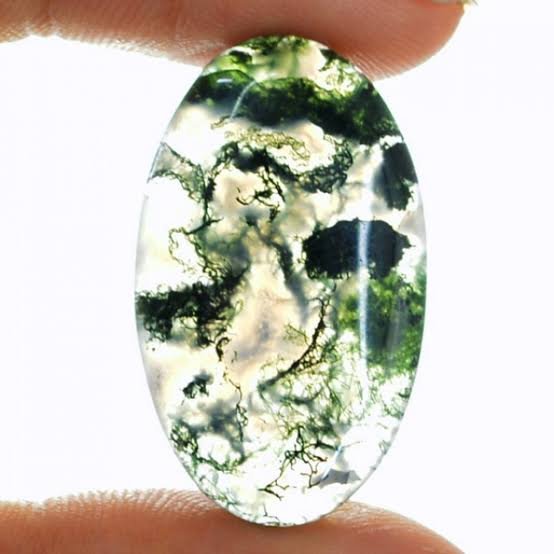
Moss Agate is one of the most beautiful and distinctive varieties of chalcedony. It is admired around the world for its natural green, white, brown, and translucent patterns that often resemble moss, leaves, branches, forests, or miniature landscapes. Unlike many gemstones that are valued primarily for bright colors and strong flashes, Moss Agate is loved for its peaceful appearance and organic patterns.
This fascinating stone has been used in jewelry, decorative objects, collections, and traditional practices for centuries. Its earthy appearance makes it especially attractive to people who enjoy nature-inspired gemstones. Moss Agate can be found in rings, necklaces, bracelets, earrings, pendants, cabochons, carvings, and polished specimens.
In this complete guide, we will explore everything you need to know about Moss Agate, including its meaning, geological formation, colors, properties, history, varieties, uses, value, jewelry, care instructions, identification methods, and frequently asked questions.
What Is Moss Agate?
Moss Agate is a variety of chalcedony, which is a microcrystalline form of quartz. It is usually translucent to semitranslucent and contains mineral inclusions that create its characteristic moss-like patterns.
The green markings in Moss Agate are commonly associated with minerals such as chlorite, amphibole, hornblende, or other iron- and manganese-bearing minerals. These inclusions become trapped within the silica-rich material during the stone’s formation.
The patterns are not actually plants or pieces of moss. Instead, they are natural mineral formations that happen to create shapes resembling vegetation and landscapes.
One of the most appealing features of Moss Agate is that every piece can look different. Some specimens have delicate green wisps, while others contain dense branches, clouds, forests, or dramatic landscape-like formations.
Moss Agate Meaning
Moss Agate is often associated with nature, growth, renewal, balance, and grounding. Because its patterns resemble leaves, moss, forests, and natural landscapes, it has developed a strong symbolic connection with the natural world.
In crystal and gemstone traditions, Moss Agate is sometimes described as a stone of new beginnings. People who enjoy these traditions may associate it with personal growth, patience, emotional balance, and a stronger connection with nature.
These symbolic meanings are cultural or spiritual beliefs rather than scientifically established medical effects. The stone can still have personal significance as a beautiful reminder of nature, calmness, and growth.
Moss Agate Appearance
Moss Agate has a distinctive appearance that separates it from many other gemstones.
Its base may be clear, milky white, gray, pale green, or slightly brownish. Within this base, green inclusions create patterns that can resemble:
- Moss
- Tree branches
- Leaves
- Ferns
- Forests
- Clouds
- Roots
- Tiny landscapes
- Abstract natural scenes
The patterns can range from very subtle to highly dramatic.
Some pieces have a mostly transparent background with a few green inclusions, while others are heavily patterned and almost look like miniature forests trapped inside the stone.
Moss Agate Color
Green is the most recognizable color associated with Moss Agate, but it can display several other colors.
Common colors include:
- Light green
- Dark green
- Forest green
- Gray
- White
- Cream
- Brown
- Yellowish tones
- Clear or translucent areas
The green color does not necessarily cover the entire gemstone. Instead, it usually appears as internal inclusions or branching patterns.
The combination of transparency and inclusions is one of the reasons Moss Agate is so visually interesting.
How Is Moss Agate Formed?
Moss Agate forms through geological processes involving silica-rich fluids and mineral inclusions.
Chalcedony develops when silica-rich solutions move through cavities, cracks, and spaces within rocks. Over long periods of time, silica can gradually deposit and crystallize.
During this process, other minerals may become trapped inside the developing chalcedony. These inclusions can form branching or cloud-like patterns.
In Moss Agate, mineral inclusions create the famous moss-like appearance.
The exact geological environment and mineral composition influence the final appearance of each specimen. This explains why Moss Agate can have such a wide range of patterns and colors.
Is Moss Agate a Real Stone?
Yes. Moss Agate is a natural gemstone variety of chalcedony.
However, the gemstone market also contains dyed, treated, synthetic, and imitation materials. This means buyers should pay attention to the appearance, seller reputation, and overall quality when purchasing Moss Agate.
Natural Moss Agate usually has complex internal patterns that appear organic and irregular. Because natural inclusions form through geological processes, no two stones are exactly identical.
Moss Agate Hardness
Moss Agate has a hardness of approximately 6.5 to 7 on the Mohs hardness scale.
This makes it reasonably durable for jewelry and decorative use.
However, hardness does not mean that the stone cannot be damaged. Moss Agate can still develop scratches, chips, or fractures if it is exposed to strong impacts or handled carelessly.
For everyday jewelry, it is best to protect Moss Agate from hard knocks and contact with harder materials.
Moss Agate Luster
Moss Agate generally has a vitreous to waxy luster.
A well-polished specimen can have a smooth and attractive surface that enhances the contrast between its translucent base and internal inclusions.
The quality of polishing can significantly influence how attractive a Moss Agate cabochon or polished stone appears.
Moss Agate Transparency
Moss Agate can range from translucent to semitransparent and, in some specimens, relatively opaque.
Transparency is important because it allows light to interact with the internal mineral inclusions.
A highly translucent Moss Agate may reveal its patterns more clearly, especially when viewed under good lighting.
However, opacity is not necessarily a sign of poor quality. Some opaque Moss Agate specimens contain exceptionally attractive and detailed patterns.
Moss Agate Patterns
The patterns are the defining feature of Moss Agate.
Natural inclusions can create shapes that resemble trees, branches, leaves, underwater plants, landscapes, and moss.
Some collectors specifically search for specimens that appear to contain recognizable scenes.
These landscape-like patterns are sometimes called scenic or picture-like patterns. Their appeal is subjective, and collectors may value different patterns according to their personal preferences.
Moss Agate History
Agate varieties have been appreciated by humans for thousands of years. Ancient cultures used different forms of agate for jewelry, seals, ornaments, carvings, and decorative objects.
Moss Agate became especially interesting because of its unusual natural patterns.
Historically, people often gave gemstones symbolic meanings based on their appearance. Since Moss Agate resembles vegetation and fertile landscapes, it became associated in various traditions with nature, growth, agriculture, and abundance.
The exact historical beliefs surrounding the stone vary by region and period, so modern descriptions of its traditional meaning should not be treated as universal historical facts.
Moss Agate and Nature
Few gemstones have such an obvious visual connection with the natural world as Moss Agate.
A polished piece can look like a tiny forest captured inside stone. The green inclusions may resemble branches growing through a translucent landscape.
This natural appearance makes Moss Agate popular among:
- Nature lovers
- Gemstone collectors
- Jewelry designers
- Mineral enthusiasts
- Crystal collectors
- Artists
- People who prefer earthy colors
Its appearance can also complement rustic, botanical, and nature-inspired jewelry designs.
Moss Agate Benefits
Moss Agate is often promoted in crystal traditions as having various emotional and spiritual benefits. Common traditional associations include:
- Growth
- Renewal
- Grounding
- Balance
- Patience
- Connection with nature
- Positive change
- Emotional stability
However, these are traditional or spiritual claims, not scientifically proven medical benefits.
Moss Agate should not be considered a treatment for physical or mental health conditions. Its value in this context can instead be understood as symbolic or personal.
For many people, simply wearing or displaying a beautiful natural stone can serve as a meaningful reminder of calmness, nature, or personal goals.
Moss Agate and New Beginnings
Moss Agate is frequently associated with new beginnings.
This association may come from its natural green patterns, which resemble growing plants and fresh vegetation.
Some people choose Moss Agate jewelry when starting a new project, moving to a new place, beginning a new hobby, or entering a new stage of life.
Again, this is a symbolic interpretation rather than a scientifically proven property.
Moss Agate Jewelry
Moss Agate is widely used in jewelry.
Common Moss Agate jewelry includes:
- Moss Agate rings
- Moss Agate necklaces
- Moss Agate pendants
- Moss Agate bracelets
- Moss Agate earrings
- Moss Agate cabochons
- Moss Agate statement jewelry
Cabochon cutting is particularly common because a smooth, rounded surface allows the internal patterns to become the main focus.
Moss Agate Rings
Moss Agate rings are popular because the stone can create a unique centerpiece.
Since every natural specimen has different patterns, a Moss Agate ring can have an individual appearance.
The gemstone works well with various metal colors, including:
- Silver
- Yellow gold
- White gold
- Rose gold
- Stainless steel
A simple setting can allow the natural pattern to remain the main visual feature.
Moss Agate Necklaces
Moss Agate pendants and necklaces are another popular way to wear the stone.
Large cabochons can display extensive internal patterns, making them particularly attractive as statement pieces.
Smaller Moss Agate pendants can offer a more subtle nature-inspired appearance.
Moss Agate Bracelets
Moss Agate beads are commonly used in bracelets.
Beaded bracelets allow multiple pieces of stone to be displayed together. Because each bead can have different markings, a bracelet may show a wide variety of natural patterns.
The stone can also be combined with other materials, including metal beads and different gemstones.
Moss Agate Earrings
Moss Agate earrings can range from small polished stones to larger statement designs.
Because Moss Agate is often cut into cabochons, earrings can highlight its internal patterns without requiring faceting.
The best design depends on the individual stone and its pattern.
Moss Agate Cabochons
Cabochon cutting is particularly suitable for Moss Agate.
Unlike faceted gemstones, cabochons have a smooth curved surface. This allows viewers to look into the stone and appreciate its internal inclusions.
Oval, round, teardrop, rectangular, and freeform cabochons are commonly seen.
Freeform shapes can be especially interesting because the cutter can follow the natural outline or pattern of the rough stone.
Moss Agate Carvings
Moss Agate is also used for carvings and decorative objects.
Artists may carve it into:
- Hearts
- Leaves
- Animals
- Flowers
- Spheres
- Towers
- Palm stones
- Small sculptures
Carving can reveal different sections of the internal pattern and create a unique decorative effect.
Moss Agate for Collectors
Moss Agate can be an excellent addition to a mineral or gemstone collection.
Collectors often look for unusual patterns, attractive colors, transparency, size, polish, and locality.
A specimen with an exceptional natural scene may be more desirable than a plain piece even if the two stones are similar in size.
What Makes Moss Agate Valuable?
The value of Moss Agate depends on several factors.
Important factors include:
1. Pattern
Pattern is one of the most important characteristics.
Detailed, attractive, and visually balanced inclusions can increase desirability.
2. Color
Strong and attractive green inclusions can be appealing, especially when they contrast with a translucent background.
3. Transparency
Some collectors prefer stones that allow light to pass through the material and reveal depth.
4. Size
Larger high-quality specimens can be more valuable, particularly when they have attractive patterns.
5. Craftsmanship
A well-polished cabochon or carefully made carving can have greater appeal than a poorly finished piece.
6. Natural Condition
Natural stones with desirable patterns and minimal artificial enhancement may be particularly attractive to collectors.
Moss Agate Price
Moss Agate can range from relatively affordable specimens to more expensive collector pieces.
There is no single fixed price because value depends on quality, size, pattern, transparency, workmanship, origin, and market demand.
Small polished stones and common beads are often accessible to casual collectors, while large specimens with exceptional landscape patterns may command higher prices.
When buying Moss Agate, it is better to evaluate the individual stone rather than relying only on a price-per-carat figure.
Is Moss Agate Rare?
Moss Agate is not generally considered one of the world’s rarest gemstones.
However, exceptional specimens can be difficult to find.
The important distinction is between ordinary Moss Agate and unusually beautiful material. A common stone may be easy to obtain, while a large piece with remarkable natural scenery, strong color, excellent transparency, and high-quality polish can be much more desirable.
Where Is Moss Agate Found?
Moss Agate and similar moss-patterned chalcedony materials occur in several parts of the world.
Historically recognized sources include regions in the United States and other countries where silica-rich geological environments have produced attractive chalcedony.
Different localities can produce material with different colors, transparency, and inclusion patterns.
Collectors often pay attention to locality because it can help identify the geological characteristics of a particular specimen.
Montana Moss Agate
Montana is famous for its distinctive agate material, particularly along areas associated with the Yellowstone River.
Montana agate can display beautiful translucent material with moss-like, dendritic, and scenic patterns.
It is popular among lapidary artists and collectors.
Not every Montana agate specimen should automatically be classified as classic Moss Agate because agate varieties are distinguished by their mineralogical characteristics and inclusion patterns. Nevertheless, Montana material is well known for its beautiful natural patterns.
Moss Agate vs Tree Agate
Moss Agate and Tree Agate can look similar because both can contain green patterns.
The main difference is generally their appearance and structure.
Moss Agate is often translucent or semitransparent with branching inclusions visible within the stone.
Tree Agate is usually more opaque and often features green dendritic or tree-like patterns against a lighter background.
Because commercial gemstone names are sometimes used loosely, visual inspection and reliable sourcing are important.
Moss Agate vs Green Aventurine
Moss Agate and Green Aventurine are sometimes confused because both can be green.
Green Aventurine is a variety of quartzite or quartz-rich rock characterized by aventurescence caused by reflective mineral inclusions, often mica.
Moss Agate, on the other hand, is a chalcedony with distinctive internal inclusions that produce moss-like patterns.
The visual effect is therefore quite different.
Moss Agate vs Jade
Moss Agate and jade can both occur in green shades, but they are different gemstones.
Jade commonly refers to jadeite or nephrite.
Moss Agate is a variety of chalcedony.
Jade tends to have a more uniform or cloudy appearance, while Moss Agate is especially recognizable for its internal botanical-looking patterns.
How to Identify Moss Agate
Identifying a gemstone accurately can sometimes be difficult, especially when stones have been dyed or sold under broad commercial names.
Some characteristics associated with Moss Agate include:
- Translucent to semitransparent appearance
- Quartz-like hardness
- Green mineral inclusions
- Branching or moss-like patterns
- Smooth chalcedony texture
- Natural variation between specimens
For valuable specimens, professional gemological testing can provide greater confidence.
Is Moss Agate Dyed?
Natural Moss Agate exists without dye.
However, other types of agate and chalcedony are commonly dyed in the gemstone market.
A buyer should be cautious when a stone has an unusually intense, uniform color that does not resemble natural mineral patterns.
If authenticity is important, purchase from a reputable seller and ask whether the stone has been treated.
How to Clean Moss Agate
Moss Agate jewelry and specimens can usually be cleaned gently.
A safe general approach is:
- Use lukewarm water.
- Add a small amount of mild soap if necessary.
- Clean gently with a soft cloth.
- Rinse carefully.
- Dry with a soft towel.
Avoid aggressive chemicals and abrasive cleaners.
For valuable or specially treated pieces, follow the seller’s care instructions.
How to Store Moss Agate
Proper storage can help prevent scratches and accidental damage.
Keep Moss Agate jewelry separately from harder gemstones and metal objects that could scratch its surface.
Soft jewelry pouches, individual boxes, or fabric-lined compartments can be useful.
Avoid dropping large polished specimens because even durable stones can chip or fracture.
Moss Agate in Home Decor
Moss Agate is not limited to jewelry.
Polished slabs, spheres, freeforms, carvings, and decorative specimens can be used in home displays.
A large polished Moss Agate piece can make an attractive natural decoration because the internal patterns can resemble miniature landscapes.
It can work particularly well with:
- Wooden furniture
- Indoor plants
- Natural stone decor
- Minimalist interiors
- Rustic designs
- Nature-themed rooms
Moss Agate for Gifts
Moss Agate can make a thoughtful gemstone gift for people who appreciate nature and unique minerals.
Possible gift options include:
- Pendant
- Bracelet
- Ring
- Polished palm stone
- Decorative specimen
- Carved stone
- Gemstone collection piece
Because each piece can have a different pattern, the recipient can receive something that looks genuinely individual.
Moss Agate and Birthstones
Moss Agate is not the traditional birthstone for a particular month in the standard modern birthstone lists.
However, people sometimes choose it as an alternative gemstone because of its green color and nature-inspired appearance.
Birthstone associations can vary between cultures, organizations, and modern jewelry traditions.
Moss Agate for Jewelry Designers
Jewelry designers appreciate Moss Agate because it offers visual variety.
One rough piece can produce several cabochons, each showing different patterns.
The cutting process can be particularly creative because the lapidary artist may choose how to orient the stone to highlight the most attractive section.
A single rough specimen might contain:
- Tree-like patterns
- Clouds
- Green branches
- Clear areas
- Dark inclusions
- Landscape-like scenes
This makes Moss Agate a fascinating material for custom jewelry.
Moss Agate and Handmade Jewelry
Handmade Moss Agate jewelry is especially popular because the gemstone’s natural variation fits well with artistic designs.
A handcrafted pendant can be designed around the exact shape and pattern of the stone.
This creates jewelry that is difficult to reproduce exactly.
For people who prefer unique accessories, handmade Moss Agate pieces can be especially appealing.
Moss Agate Crystal Meaning
In crystal traditions, Moss Agate is often associated with grounding, balance, growth, and connection with nature.
Some practitioners use it symbolically during meditation or personal reflection.
These practices are matters of personal belief and should not be presented as scientifically proven effects.
The stone’s natural appearance alone can provide an inspiring visual reminder of forests, plants, and the changing seasons.
Moss Agate Meditation
Some people incorporate gemstones into meditation as personal symbols.
A polished Moss Agate stone may be held during quiet reflection or placed nearby.
Its natural green patterns can serve as a visual focus.
This does not mean the gemstone has a scientifically demonstrated ability to change mental or physical health. Rather, it can function as a meaningful object within a person’s own relaxation or reflection routine.
Moss Agate and Emotional Symbolism
Moss Agate is sometimes connected with emotional balance and calmness because of its soft green colors and natural appearance.
Green is commonly associated with nature, renewal, and peaceful environments.
For some people, wearing Moss Agate can therefore have personal symbolic meaning.
Its significance is subjective and may vary from person to person.
Moss Agate and Gardening Symbolism
Because of its plant-like appearance, Moss Agate is sometimes associated with gardening, plants, and natural growth.
Gardeners and plant lovers may enjoy Moss Agate jewelry or decorative stones because the gemstone visually complements their interests.
It can also make a suitable decorative addition to a plant-themed collection.
Famous Moss Agate Patterns
One of the most interesting things about Moss Agate is the variety of patterns found inside individual stones.
Some patterns look like:
- Tiny forests
- Tree branches
- Green clouds
- Underwater plants
- Roots
- Mountain landscapes
- Abstract paintings
These patterns form naturally and are not intentionally drawn by humans.
This is one of the major reasons collectors enjoy looking at polished Moss Agate specimens.
How to Choose Good Moss Agate
When buying Moss Agate, consider the following factors:
Look at the Pattern
Choose a pattern that you personally find attractive.
There is no single pattern that everyone will consider the best.
Check the Polish
The surface should be smooth and appropriately polished for the intended use.
Examine the Stone Under Light
Lighting can reveal transparency and internal details.
Look for Damage
Check for large cracks, chips, or fractures, especially if purchasing jewelry.
Ask About Treatments
A reputable seller should be able to explain whether the stone has been dyed or otherwise treated.
Consider the Setting
For jewelry, make sure the setting protects the stone appropriately.
How to Tell if Moss Agate Is High Quality
Quality is subjective, but several features can increase desirability:
- Attractive natural pattern
- Good transparency
- Strong contrast
- Beautiful green inclusions
- Minimal unwanted fractures
- High-quality polish
- Appropriate cutting
- Interesting natural scene
A stone does not need to have every characteristic to be beautiful.
Moss Agate is unusual because its value often depends heavily on visual character rather than simply color intensity.
Moss Agate for Beginners
Moss Agate is a good gemstone for beginners because it is relatively recognizable and available in many forms.
A beginner collector can start with inexpensive polished stones and gradually learn about:
- Chalcedony
- Agate varieties
- Mineral inclusions
- Gemstone polishing
- Cabochon cutting
- Geological formation
- Gemstone identification
Studying different Moss Agate specimens can be a fun way to develop an interest in mineral collecting.
Moss Agate Collection Ideas
A gemstone collection does not have to be expensive.
You could collect Moss Agate according to:
- Pattern
- Color
- Shape
- Locality
- Size
- Transparency
- Cutting style
- Jewelry type
For example, a collector might focus specifically on scenic Moss Agate specimens that resemble forests and landscapes.
Moss Agate as a Decorative Stone
Moss Agate works beautifully as a decorative stone because it combines durability with natural visual detail.
Popular decorative forms include:
- Polished slabs
- Spheres
- Freeforms
- Towers
- Hearts
- Eggs
- Palm stones
- Small carvings
Large slabs can be particularly impressive because they display a broad section of the stone’s internal pattern.
Moss Agate and Lapidary Art
Lapidary artists work with Moss Agate to create polished stones, cabochons, carvings, and other objects.
The cutting process requires careful planning because the internal pattern can change dramatically depending on the direction of the cut.
An experienced lapidary artist may examine rough Moss Agate from several angles before deciding where to cut it.
The goal is often to reveal the most attractive internal scene.
Moss Agate Rough Stone
Rough Moss Agate can look very different from polished material.
Before cutting, the surface may appear dull, weathered, or ordinary.
Once cut and polished, the internal inclusions can become much more visible.
This transformation is one of the reasons rough gemstone collecting and lapidary work are so interesting.
Moss Agate and Photography
Moss Agate is also a fascinating subject for gemstone photography.
To photograph it effectively:
- Use soft lighting.
- Avoid harsh reflections.
- Place the stone on a simple background.
- Experiment with backlighting for translucent specimens.
- Clean the surface before photographing.
- Take several angles.
Backlighting can be especially useful because it may reveal internal patterns that are difficult to see under ordinary front lighting.
Moss Agate Online Buying Guide
When buying Moss Agate online, photographs are extremely important.
Look for sellers who provide:
- Clear images
- Multiple viewing angles
- Accurate dimensions
- Weight information
- Treatment disclosure
- Return policies
- Clear descriptions
Do not rely only on stock photographs.
Because every natural Moss Agate piece can have a unique pattern, the actual specimen shown in the listing should ideally be the one you receive.
Common Moss Agate Buying Mistakes
Some common mistakes include:
- Buying based only on color.
- Ignoring the stone’s actual dimensions.
- Assuming every green agate is Moss Agate.
- Not asking about treatments.
- Buying from an unreliable seller.
- Confusing commercial names with scientific classifications.
- Expecting every specimen to have a dramatic forest pattern.
Learning the basic characteristics of the stone can help buyers make better decisions.
Is Moss Agate Good for Everyday Jewelry?
Moss Agate has reasonable durability for jewelry, with a Mohs hardness around 6.5–7.
However, jewelry should always be treated with care.
Rings may experience more impacts than pendants or earrings, so a protective setting can be beneficial for frequently worn rings.
Removing gemstone jewelry during activities that involve strong impacts can also reduce the chance of damage.
Moss Agate Care Tips
To keep Moss Agate looking attractive:
- Clean it gently.
- Avoid abrasive materials.
- Store it separately.
- Protect it from hard impacts.
- Keep jewelry away from harsh household chemicals.
- Inspect settings regularly.
- Follow professional care advice for valuable pieces.
With proper care, Moss Agate jewelry can remain attractive for many years.
Does Moss Agate Fade?
Natural Moss Agate is generally stable under ordinary conditions.
However, treated or dyed gemstones may have different care requirements.
If a particular stone has been dyed, coated, or otherwise treated, ask the seller about light and chemical exposure.
When in doubt, gentle cleaning and careful storage are the safest approach.
Moss Agate Spiritual Meaning
In spiritual and crystal traditions, Moss Agate is often connected with:
- Nature
- Growth
- Renewal
- Stability
- Grounding
- Patience
- Fresh beginnings
These meanings are symbolic and vary across traditions.
There is no scientific evidence that Moss Agate possesses supernatural powers or can treat diseases.
Its spiritual importance can nevertheless be meaningful to people who enjoy gemstone symbolism.
Moss Agate and Personal Growth
The symbolism of Moss Agate is often connected with gradual growth.
Plants do not become mature instantly. They develop slowly through time and changing conditions.
For this reason, some people view the stone as a reminder to be patient with personal development.
This interpretation is especially appealing to people who enjoy nature-inspired symbolism.
Why Is Moss Agate So Popular?
Moss Agate has remained popular because it combines several attractive qualities:
- Natural green color
- Unique patterns
- Reasonable durability
- Wide availability
- Affordable options
- Nature-inspired appearance
- Variety of jewelry styles
- Interesting geological formation
Unlike gemstones with uniform color, Moss Agate can look different from every angle.
That individuality gives it a special appeal.
Interesting Facts About Moss Agate
Here are some interesting facts about Moss Agate:
- Moss Agate is a variety of chalcedony.
- It belongs to the quartz family.
- Its green patterns are caused by mineral inclusions.
- The patterns are not actual moss or plants.
- Every natural specimen can have a different appearance.
- It is commonly cut as a cabochon.
- It can be used in jewelry and decorative objects.
- Its hardness is around 6.5–7 on the Mohs scale.
- It can range from translucent to relatively opaque.
- Its patterns can resemble forests, branches, roots, and landscapes.
- It is popular among mineral collectors.
- It is associated symbolically with nature and growth.
- Moss Agate is different from Green Aventurine.
- It is also different from jade.
- Some commercial stones may be treated or mislabeled, so reliable sourcing matters.
Frequently Asked Questions About Moss Agate
What is Moss Agate?
Moss Agate is a variety of chalcedony characterized by green and other mineral inclusions that create moss-like or landscape-like patterns.
Is Moss Agate a quartz?
Yes. Chalcedony is a microcrystalline form of quartz, so Moss Agate belongs to the quartz family.
What color is Moss Agate?
It is commonly associated with green, but it can also contain white, gray, brown, yellowish, and transparent areas.
Is Moss Agate valuable?
It can be valuable, but prices vary significantly. Pattern, color, transparency, size, polish, craftsmanship, and overall quality all influence value.
Is Moss Agate rare?
Moss Agate itself is not generally considered extremely rare, but exceptional specimens with beautiful patterns can be much harder to find.
Can Moss Agate be used in jewelry?
Yes. It is commonly used for rings, necklaces, pendants, bracelets, earrings, and cabochons.
Is Moss Agate durable?
Moss Agate has a Mohs hardness of approximately 6.5–7, making it reasonably durable, although it can still scratch or chip.
How should Moss Agate be cleaned?
Use mild soap, lukewarm water, and a soft cloth. Avoid harsh chemicals and abrasive cleaners.
Does Moss Agate have healing powers?
Some crystal traditions attribute various benefits to Moss Agate, but these claims have not been scientifically established. It should not be used as a substitute for medical treatment.
What does Moss Agate symbolize?
It is commonly associated symbolically with nature, growth, renewal, grounding, balance, and new beginnings.
Is Moss Agate good for collectors?
Yes. Its unique patterns, colors, transparency, and geological variety make it an interesting gemstone for collectors.
Conclusion
Moss Agate is a remarkable gemstone known for its beautiful green inclusions and natural patterns that often resemble moss, forests, branches, roots, and miniature landscapes. As a variety of chalcedony, it combines the durability of quartz with an appearance that is highly individual.
Its popularity comes from more than its color. The most fascinating feature of Moss Agate is the fact that every natural piece can tell a different visual story. One stone may look like a forest, another may resemble underwater vegetation, and another may contain delicate green clouds or branching patterns.
Moss Agate is suitable for jewelry, mineral collections, decorative objects, lapidary projects, and nature-inspired gifts. It is available in many shapes and price ranges, making it accessible to both beginners and experienced collectors.
Whether you appreciate Moss Agate for its geological characteristics, artistic beauty, jewelry potential, or symbolic connection with nature, it remains one of the most visually distinctive varieties of chalcedony.
For anyone interested in gemstones, Moss Agate is a fascinating stone to explore. Its combination of natural patterns, earthy colors, durability, and individuality makes it a beautiful choice for collectors and jewelry lovers around the world.
SEO Keywords
Moss Agate stone, Moss Agate, Moss Agate gemstone, Moss Agate meaning, Moss Agate properties, Moss Agate benefits, Moss Agate jewelry, Moss Agate stone price, Moss Agate crystal, Moss Agate healing properties, natural Moss Agate, Moss Agate ring, Moss Agate necklace, Moss Agate bracelet, Moss Agate pendant, Moss Agate cabochon, Moss Agate colors, Moss Agate value, Moss Agate stone meaning, Moss Agate crystal meaning, what is Moss Agate, how is Moss Agate formed, Moss Agate identification, Moss Agate care, Moss Agate uses, Moss Agate facts, green Moss Agate, Moss Agate gemstone guide.
Suggested SEO Title
Moss Agate Stone: Meaning, Properties, Benefits, Uses, Value & Complete Guide
Suggested Meta Description
Discover Moss Agate stone, including its meaning, properties, colors, formation, benefits, jewelry uses, value, care tips, identification, and interesting facts.
Suggested URL Slug
/moss-agate-stone/
Suggested FAQ Keywords
- What is Moss Agate stone?
- What does Moss Agate mean?
- Is Moss Agate valuable?
- Is Moss Agate a real gemstone?
- What is Moss Agate good for?
- How do you clean Moss Agate?
- Where is Moss Agate found?
- How can you identify natural Moss Agate?
- Is Moss Agate good for jewelry?
- What color is Moss Agate?