
Lapis Lazuli Stone: Complete Guide, Meaning, Benefits, History, Uses, Value and Care
Introduction to Lapis Lazuli Stone
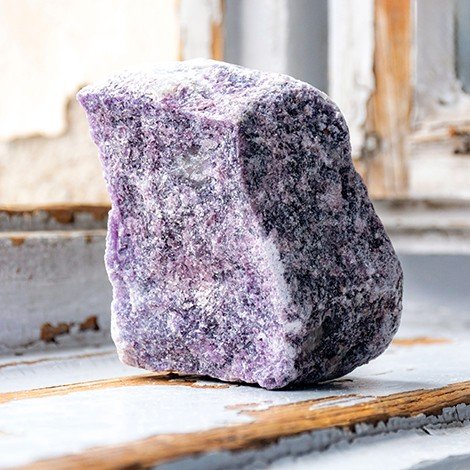
Lapis Lazuli is one of the world’s most recognizable and historically important blue gemstones. Famous for its deep royal-blue color, golden pyrite inclusions, and fascinating ancient history, this beautiful stone has been admired for thousands of years. Unlike many traditional gemstones, Lapis Lazuli is not a single mineral. Instead, it is a metamorphic rock made primarily of several minerals, including lazurite, calcite, and pyrite.
The intense blue color of high-quality Lapis Lazuli is mainly associated with lazurite. Small golden-colored pyrite crystals can create a sparkling appearance across the blue surface, while white calcite may appear as veins or patches. Because of these natural characteristics, every piece of Lapis Lazuli has its own unique appearance.
Lapis Lazuli has been used for jewelry, decorative objects, sculptures, carvings, pigments, and artistic works throughout history. Ancient civilizations valued the stone not only for its beauty but also because obtaining high-quality blue material could be difficult. Some of the most famous historical sources of Lapis Lazuli are located in Afghanistan, particularly in the mountainous region of Badakhshan.
Today, Lapis Lazuli remains popular among jewelry lovers, collectors, artists, interior designers, and people interested in traditional gemstone symbolism. It can be found in necklaces, bracelets, earrings, rings, cabochons, beads, ornaments, carvings, and polished decorative pieces.
This complete guide explores Lapis Lazuli stone in detail, including its history, color, composition, meaning, properties, uses, value, benefits, jewelry applications, identification, cleaning methods, and buying tips.
What Is Lapis Lazuli Stone?
Lapis Lazuli is a blue metamorphic rock that has been used as a decorative material and gemstone for thousands of years. The name is derived from historical languages associated with the stone’s ancient trade and geography.
The primary mineral responsible for the blue color is lazurite. However, natural Lapis Lazuli usually contains other minerals as well. These may include calcite, pyrite, diopside, mica, and other components.
This mineral mixture is one reason why Lapis Lazuli can look different from one specimen to another. Some pieces have a uniform deep blue color, while others contain visible white calcite veins or sparkling golden pyrite.
The most highly valued Lapis Lazuli generally has an intense, even blue color with limited visible calcite. However, the presence of pyrite can sometimes make a specimen particularly attractive because the golden metallic inclusions contrast beautifully with the blue background.
Unlike transparent gemstones such as sapphire, Lapis Lazuli is normally opaque. Its appeal comes from its color, texture, patterns, and historical character rather than transparency.
Lapis Lazuli Color
The most famous characteristic of Lapis Lazuli is its blue color. Natural specimens can range from medium blue to deep royal blue and sometimes slightly violet-blue.
The strongest blue color is generally associated with a higher proportion of lazurite. However, color alone does not determine the quality of a specimen.
High-quality Lapis Lazuli often has a rich, saturated blue appearance. Some examples may contain small amounts of pyrite that appear as tiny golden flecks.
Calcite is another common component. It may appear white or pale gray and can form veins throughout the stone. Depending on personal preference and market standards, heavy calcite may reduce the value of certain Lapis Lazuli pieces.
The combination of blue lazurite, golden pyrite, and white calcite creates one of the most recognizable natural patterns in the world of ornamental stones.
Lapis Lazuli History
Lapis Lazuli has an exceptionally long history. Archaeological discoveries demonstrate that people were using this blue stone thousands of years ago.
One of the most important historical sources of Lapis Lazuli is Afghanistan’s Badakhshan region. The deposits in this mountainous area have been associated with Lapis Lazuli production for many centuries.
Ancient societies valued the stone because of its intense blue color and relative rarity. It was traded across long distances, making it an important material in ancient commerce.
Lapis Lazuli has been found in archaeological sites associated with ancient civilizations in Mesopotamia, Egypt, South Asia, and other regions. Its presence in ancient artifacts demonstrates the importance of long-distance trade networks.
The stone was used to create beads, amulets, seals, decorative objects, and other artistic pieces. It was also ground into powder to produce an exceptionally valuable blue pigment.
Lapis Lazuli in Ancient Egypt
Ancient Egypt is particularly famous for its use of Lapis Lazuli. Egyptian artisans used the stone in jewelry, amulets, decorative objects, and burial items.
Blue had strong visual and symbolic importance in Egyptian art. Lapis Lazuli’s rich color made it an attractive material for royal and religious objects.
Archaeologists have discovered Lapis Lazuli beads and decorative materials in ancient Egyptian contexts. The stone was imported because significant deposits were located far from Egypt.
Its use in Egyptian artifacts demonstrates that ancient societies were willing to transport valuable materials across enormous distances.
Lapis Lazuli was also associated with important objects and elite craftsmanship. Its deep blue appearance complemented gold and other precious materials.
Lapis Lazuli and Ancient Art
One of the most fascinating historical uses of Lapis Lazuli was as a source of blue pigment.
When processed into powder, high-quality Lapis Lazuli could be used to produce the pigment known as ultramarine. Historically, natural ultramarine was extremely valuable.
The pigment was used by artists in different periods, especially in medieval and Renaissance Europe. Because high-quality natural ultramarine was expensive, artists often reserved it for important areas of paintings.
The brilliant blue color produced from Lapis Lazuli became associated with luxury and artistic prestige.
Modern synthetic pigments have made ultramarine much more accessible, but natural Lapis Lazuli continues to have enormous historical and artistic significance.
Lapis Lazuli Geological Composition
Lapis Lazuli is not a single mineral species. It is a rock composed of multiple minerals.
Its main blue component is lazurite. Other common minerals include calcite and pyrite.
The exact composition varies depending on the geological source. This variation contributes to differences in color, pattern, hardness, and overall appearance.
Pyrite may appear as metallic gold-colored inclusions. Calcite usually appears white or pale. Some specimens can also contain other minerals that influence their appearance.
Because Lapis Lazuli is a rock rather than a single mineral, gemological descriptions often focus on its overall composition and visual quality.
Lapis Lazuli Hardness
Lapis Lazuli is relatively soft compared with many popular gemstones. Its hardness is generally around 5 to 5.5 on the Mohs hardness scale.
This means it can be scratched more easily than harder stones such as quartz, sapphire, or diamond.
Because of its moderate hardness, Lapis Lazuli jewelry should be treated with care. Rings and bracelets may experience more physical contact and therefore can show scratches or surface wear over time.
Lapis Lazuli is often particularly suitable for pendants, earrings, beads, and decorative objects where the stone is less exposed to impact.
Lapis Lazuli Luster
Lapis Lazuli can have a dull to vitreous or slightly greasy appearance depending on its composition and polish.
A well-polished piece can display an attractive smooth surface. Pyrite inclusions may add a metallic sparkle that contrasts with the relatively soft appearance of the blue material.
The quality of polishing can significantly influence the visual appeal of a finished Lapis Lazuli gemstone.
Lapis Lazuli Meaning
Lapis Lazuli has accumulated many symbolic meanings throughout history.
It is commonly associated with wisdom, truth, knowledge, communication, confidence, and spiritual reflection. These meanings are cultural and traditional rather than scientifically proven effects.
Because of its deep blue color, the stone has often been connected with the sky, depth, mystery, and contemplation.
Many modern crystal enthusiasts use Lapis Lazuli as a symbolic reminder of honesty, self-expression, and learning.
It is important to distinguish these traditional beliefs from scientific evidence. There is no established scientific proof that Lapis Lazuli produces supernatural or medical effects.
Lapis Lazuli Spiritual Symbolism
In spiritual and cultural traditions, Lapis Lazuli is often considered a stone associated with inner reflection and communication.
Some people use it during meditation or personal reflection because they find its color calming or inspiring.
Traditional crystal practices sometimes connect Lapis Lazuli with the throat chakra and the idea of expressing thoughts clearly.
These practices are matters of personal belief and cultural tradition. They should not be considered medical treatment or scientifically established therapy.
Lapis Lazuli and the Throat Chakra
In modern crystal traditions, Lapis Lazuli is commonly associated with the throat chakra.
The throat chakra is traditionally linked with communication, self-expression, and speaking one’s truth.
People who follow chakra-based practices may wear Lapis Lazuli necklaces or use polished stones during meditation.
Although chakra systems are spiritual frameworks rather than scientifically established medical systems, they remain popular among people interested in meditation and traditional crystal symbolism.
Lapis Lazuli Benefits
Lapis Lazuli is associated with many traditional and symbolic benefits. These should be understood as cultural or personal beliefs rather than proven medical effects.
1. Symbol of Wisdom
Lapis Lazuli has long been associated with knowledge and wisdom. Its historical use in important artifacts has contributed to this symbolism.
2. Symbol of Truth
The stone is often connected with honesty and truthfulness. Some people keep it as a personal reminder to communicate honestly.
3. Communication Symbol
Because of its traditional connection with the throat chakra, Lapis Lazuli is sometimes used as a symbol of clear communication.
4. Meditation and Reflection
Its deep blue appearance can be visually appealing during meditation or quiet reflection.
5. Artistic Inspiration
Artists and collectors may appreciate Lapis Lazuli because of its historic connection to blue pigments and classical art.
6. Decorative Beauty
Regardless of symbolism, Lapis Lazuli is naturally beautiful and can add color and character to jewelry and decorative objects.
Lapis Lazuli Jewelry
Lapis Lazuli has been used in jewelry for thousands of years and remains popular today.
Common forms of Lapis Lazuli jewelry include:
- Lapis Lazuli necklaces
- Lapis Lazuli bracelets
- Lapis Lazuli earrings
- Lapis Lazuli rings
- Lapis Lazuli pendants
- Lapis Lazuli beads
- Lapis Lazuli cabochons
Because the stone is opaque, it is often cut into cabochons or polished beads rather than faceted like transparent gemstones.
Lapis Lazuli Necklace
A Lapis Lazuli necklace can showcase the stone’s deep blue color beautifully.
Necklaces may feature polished beads, large cabochons, carved pendants, or combinations with metals such as silver and gold.
Silver is especially popular because its bright appearance contrasts with the deep blue stone.
Lapis Lazuli necklaces can be worn as casual accessories or as statement jewelry.
Lapis Lazuli Bracelet
Lapis Lazuli bracelets are commonly made using polished beads.
Beaded bracelets can display multiple shades of blue and natural patterns. Some pieces include visible pyrite, producing small golden flashes.
Because bracelets are exposed to frequent contact with surfaces, users should take care to protect Lapis Lazuli from scratches and impacts.
Lapis Lazuli Ring
Lapis Lazuli rings can be visually striking, especially when a large cabochon is set in silver or another metal.
However, rings require additional care because the stone can be exposed to knocks, friction, and contact with hard surfaces.
For everyday use, protective settings can help reduce the chance of damage.
Lapis Lazuli Earrings
Earrings are one of the practical ways to wear Lapis Lazuli because they usually experience less physical contact than rings and bracelets.
They can feature small polished stones, beads, cabochons, or carved designs.
The deep blue color works well with many clothing styles and metal finishes.
Lapis Lazuli Pendant
A Lapis Lazuli pendant can highlight a larger piece of stone.
Natural patterns, pyrite inclusions, and variations in blue can make every pendant unique.
Some pendants are simple polished shapes, while others are carved into symbolic or decorative designs.
How to Identify Real Lapis Lazuli
Identifying genuine Lapis Lazuli can sometimes be difficult because dyed and imitation materials exist.
Several observations can help:
Color
Natural Lapis Lazuli usually has variations in color and texture. Extremely uniform color does not automatically mean fake, but it deserves closer examination.
Pyrite
Some natural Lapis Lazuli contains small golden pyrite inclusions. However, not every genuine specimen contains visible pyrite.
Calcite
White calcite veins or patches can occur naturally. Their presence can help distinguish some natural specimens from imitations.
Texture
Natural Lapis Lazuli often has a complex mineral structure rather than a perfectly uniform appearance.
Professional Testing
For valuable specimens, professional gemological testing is the safest way to establish identity and detect treatments or imitations.
Natural vs Dyed Lapis Lazuli
Some lower-quality or pale stones may be dyed to produce a stronger blue appearance.
Dyed material can sometimes be sold as natural high-quality Lapis Lazuli, which can create confusion for buyers.
A trustworthy seller should disclose significant treatments.
If you are purchasing an expensive piece, ask about:
- Country of origin
- Natural or treated status
- Composition
- Treatments
- Return policy
- Independent certification when appropriate
Lapis Lazuli Value
The value of Lapis Lazuli depends on several factors.
Important factors include:
- Color
- Uniformity
- Amount of calcite
- Presence and appearance of pyrite
- Quality of polish
- Size
- Craftsmanship
- Origin
- Rarity
- Overall visual appeal
Deep, attractive blue material is generally more desirable.
However, beauty is subjective. Some collectors specifically prefer pieces with dramatic pyrite patterns or interesting natural inclusions.
What Makes High-Quality Lapis Lazuli?
High-quality Lapis Lazuli generally has a rich, saturated blue color and an attractive overall appearance.
Collectors often prefer material with limited visible calcite. However, small amounts of calcite can contribute to the stone’s natural character.
Pyrite can either increase visual appeal or be considered distracting depending on the specimen and buyer.
Ultimately, the best Lapis Lazuli is the piece that combines attractive color, desirable pattern, good polish, and natural character.
Lapis Lazuli from Afghanistan
Afghanistan is historically one of the most important sources of Lapis Lazuli.
The Badakhshan region has been associated with famous Lapis Lazuli deposits for thousands of years.
Afghan Lapis Lazuli is particularly famous for its deep blue color and historical importance.
Because origin can influence market desirability, Afghan Lapis Lazuli is often highlighted by sellers and collectors.
However, origin alone does not determine quality. Individual specimens should still be evaluated based on color, composition, appearance, treatment, and craftsmanship.
Other Sources of Lapis Lazuli
Lapis Lazuli has also been found in other parts of the world, including regions of Central Asia, Siberia, Chile, and North America.
Different geological environments can produce material with different compositions and visual characteristics.
This geographic variation is interesting for collectors because specimens from different sources may have distinctive appearances.
Lapis Lazuli vs Sodalite
Lapis Lazuli and sodalite can look similar because both can be blue.
However, they are different materials.
Lapis Lazuli commonly contains lazurite, calcite, and pyrite. Sodalite is a different mineral.
Visible golden pyrite inclusions can be a characteristic feature of some Lapis Lazuli, while sodalite generally does not display the same combination.
Because blue stones can be confusing, professional identification is useful for valuable specimens.
Lapis Lazuli vs Azurite
Azurite is another blue mineral, but it is chemically and structurally different from Lapis Lazuli.
Azurite often displays a darker blue color and may occur with green malachite.
Lapis Lazuli is a rock containing several minerals, with lazurite responsible for its characteristic blue appearance.
Lapis Lazuli vs Sapphire
Lapis Lazuli and sapphire are very different gemstones.
Sapphire is a variety of corundum and is significantly harder than Lapis Lazuli.
Sapphire can be transparent to opaque, while Lapis Lazuli is generally opaque.
Sapphire is also usually much more valuable when high-quality, gem-grade material is involved.
The two stones can share blue coloration, but their physical properties and geological composition are very different.
Lapis Lazuli Care Guide
Proper care can help preserve the appearance of Lapis Lazuli.
Because the stone is moderately soft, avoid exposing it to hard impacts and abrasive surfaces.
Keep Lapis Lazuli jewelry separate from harder gemstones to reduce scratching.
When cleaning the stone, use a soft cloth and mild soapy water if appropriate. Avoid harsh chemicals and prolonged exposure to substances that may affect treatments or porous surfaces.
After cleaning, gently dry the piece.
Can Lapis Lazuli Go in Water?
Short exposure to ordinary water is generally less concerning than exposure to harsh chemicals, but prolonged soaking is best avoided, especially for treated or porous material.
Do not use ultrasonic cleaners unless a qualified professional confirms that the specific piece is suitable.
When in doubt, use a soft, slightly damp cloth for cleaning.
Can Lapis Lazuli Go in the Sun?
Extended exposure to strong sunlight is best avoided for many colored stones and treated materials.
To protect the stone, store Lapis Lazuli jewelry away from prolonged direct sunlight and excessive heat.
A cool, dry jewelry box is generally a safer storage environment.
How to Clean Lapis Lazuli
A simple cleaning routine is usually enough.
- Use a soft microfiber cloth.
- Gently wipe away dust and oils.
- If necessary, use mild soapy water.
- Avoid abrasive brushes.
- Rinse carefully if water is used.
- Dry the stone completely with a soft cloth.
- Store it separately from harder gemstones.
Avoid strong household chemicals, bleach, acids, and aggressive cleaning products.
Lapis Lazuli for Home Decor
Lapis Lazuli is not limited to jewelry.
Large polished pieces can be used as decorative objects in homes and offices.
Popular decorative applications include:
- Polished slabs
- Bowls
- Sculptures
- Bookends
- Carvings
- Small ornaments
- Decorative boxes
- Display specimens
The deep blue color can create a luxurious visual effect when combined with neutral interiors.
Lapis Lazuli for Collectors
Collectors appreciate Lapis Lazuli for several reasons.
Its geological character makes every specimen different. Its ancient history adds cultural significance, while its distinctive blue color makes it easy to recognize.
Collectors may focus on:
- Historical specimens
- Exceptional blue color
- Visible pyrite
- Unusual patterns
- Large pieces
- High-quality polish
- Interesting mineral associations
- Specimens from famous localities
A collector should document the origin and provenance of important specimens whenever possible.
Lapis Lazuli in Modern Fashion
Lapis Lazuli remains fashionable because its blue color is timeless.
It can be paired with:
- Silver
- Gold
- White clothing
- Black clothing
- Denim
- Neutral colors
- Traditional outfits
Its natural appearance allows it to work in both classic and contemporary jewelry designs.
Why Is Lapis Lazuli So Popular?
Several characteristics explain its enduring popularity.
First, its deep blue color is immediately recognizable. Second, its historical importance gives it cultural value. Third, natural pyrite and calcite can create distinctive patterns.
Unlike completely uniform manufactured materials, natural Lapis Lazuli often has visible geological character.
Its connection to ancient civilizations and historical art also makes it particularly interesting to collectors and history enthusiasts.
Lapis Lazuli and Birthstones
Lapis Lazuli is sometimes promoted as a birthstone alternative for certain months, but it is not one of the universally recognized modern traditional birthstones.
Different cultures, jewelry businesses, and modern gemstone traditions may associate it with different months.
Therefore, if you are buying Lapis Lazuli as a birthstone gift, it is useful to confirm which birthstone system the seller is using.
Lapis Lazuli for Gifts
Lapis Lazuli can make an attractive gift for someone interested in gemstones, history, jewelry, or natural materials.
Gift ideas include:
- Lapis Lazuli pendant
- Beaded bracelet
- Earrings
- Polished stone
- Decorative carving
- Collector specimen
- Gemstone necklace
Because each natural piece can have different patterns, choosing a stone with a visually appealing combination of blue, pyrite, and calcite can make the gift more personal.
How to Buy Lapis Lazuli
When buying Lapis Lazuli, examine the stone carefully.
Look at its color under natural or neutral lighting. Check whether the seller clearly identifies the material as natural, dyed, stabilized, or otherwise treated.
Ask whether the price is for the stone itself or for the complete jewelry piece.
For expensive specimens, request documentation or professional identification when appropriate.
Avoid purchasing solely because a seller claims that a stone has extraordinary supernatural or medical powers. Focus on measurable qualities such as material, craftsmanship, appearance, condition, and provenance.
Common Lapis Lazuli Treatments
Treatment practices can vary depending on the material.
Some lower-quality stones may be dyed to improve color. Certain materials may also be treated to improve durability or appearance.
Buyers should ask sellers to disclose treatments.
A treated stone is not necessarily worthless. The important issue is transparency and accurate pricing.
Lapis Lazuli Myths and Facts
Myth: Every Lapis Lazuli Must Have Gold Pyrite
False. Some natural Lapis Lazuli contains visible pyrite, but not every genuine specimen has obvious golden inclusions.
Myth: White Marks Mean the Stone Is Fake
False. White calcite can occur naturally in Lapis Lazuli.
Myth: Lapis Lazuli Can Cure Diseases
There is no reliable scientific evidence that Lapis Lazuli can cure diseases. It should not replace professional medical care.
Myth: All Blue Stones Are Lapis Lazuli
False. Many blue minerals and rocks exist, including sodalite, azurite, and others.
Fact: Lapis Lazuli Has Been Used for Thousands of Years
Yes. Archaeological evidence demonstrates its extensive historical use.
Lapis Lazuli in Art
Lapis Lazuli has a special place in art history because of its connection to natural ultramarine pigment.
Artists historically valued the pigment for its rich blue appearance.
Natural ultramarine was especially important in European painting during periods when access to high-quality blue pigments was limited and expensive.
Its use demonstrates how minerals could influence not only jewelry but also painting, architecture, and visual culture.
Lapis Lazuli and Architecture
Throughout history, blue decorative materials have been used to create visually impressive interiors and objects.
Lapis Lazuli has appeared in decorative arts, inlays, furniture details, architectural ornamentation, and luxury objects.
Its rich color can create a dramatic contrast with white, black, gold, and other materials.
Lapis Lazuli Carvings
Because Lapis Lazuli is relatively soft compared with many gemstones, it can be carved into decorative shapes.
Artists and craftsmen have created:
- Animals
- Flowers
- Symbols
- Figures
- Bowls
- Beads
- Pendants
- Decorative plaques
The natural pattern of the stone can make carved pieces especially interesting.
Lapis Lazuli Beads
Lapis Lazuli beads are widely used in jewelry making.
Beads may be round, oval, faceted, irregular, or carved.
Natural variation means that a strand of beads can contain multiple shades and patterns.
High-quality beads with attractive blue color can be particularly desirable for jewelry designers.
Lapis Lazuli and Silver
Silver and Lapis Lazuli are a classic combination.
The cool metallic appearance of silver contrasts strongly with deep blue stone.
This combination is common in rings, necklaces, earrings, bracelets, and pendants.
The pairing works particularly well for traditional and modern jewelry styles.
Lapis Lazuli and Gold
Gold creates a warmer contrast with Lapis Lazuli.
This combination is especially attractive when the stone contains natural pyrite because the golden metal complements the stone’s metallic inclusions.
Gold-set Lapis Lazuli jewelry can have a luxurious appearance.
Lapis Lazuli for Men and Women
Lapis Lazuli is suitable for a wide range of jewelry styles and is not limited to one gender.
Men may choose Lapis Lazuli cufflinks, bracelets, rings, or pendants.
Women may choose necklaces, earrings, bracelets, rings, and decorative jewelry.
Unisex designs are also widely available.
Lapis Lazuli in Interior Design
Large Lapis Lazuli pieces can be used as statement decorative objects.
The stone works particularly well in interiors featuring:
- Neutral colors
- Natural materials
- Metallic accents
- Modern furniture
- Traditional decor
- Luxury-inspired themes
Even a small polished specimen can add a distinctive natural element to a room.
Environmental and Ethical Considerations
When purchasing natural stone, buyers may want to consider where it came from and how it was produced.
Responsible sourcing can support local communities and reduce environmental harm.
If origin matters to you, ask sellers for information about sourcing and supply chains.
For collector-grade pieces, provenance can also add historical and commercial value.
Lapis Lazuli Market
The market for Lapis Lazuli includes jewelry, mineral specimens, decorative objects, carvings, beads, and art materials.
Prices vary greatly.
Small commercial-quality pieces may be affordable, while large, exceptionally colored specimens or historically significant objects can command much higher prices.
The best approach is to compare several sellers and evaluate quality rather than assuming that a high price automatically means superior material.
Is Lapis Lazuli Rare?
Lapis Lazuli is not among the world’s rarest gemstones in general commercial terms, but high-quality material can be significantly more desirable than ordinary material.
Deep blue material with attractive composition and limited undesirable inclusions is more sought after.
Certain historic localities also have special importance among collectors.
Is Lapis Lazuli a Gemstone?
Lapis Lazuli is commonly treated as a gemstone or ornamental stone in jewelry and commercial contexts, although technically it is a rock rather than a single mineral.
This distinction is important because its composition includes multiple minerals.
Its beauty and historical importance have nevertheless made it a highly respected decorative gemstone material.
Lapis Lazuli in Modern Culture
Today, Lapis Lazuli appears in jewelry collections, crystal shops, museums, art exhibitions, mineral collections, and interior design.
Social media has also contributed to renewed interest in natural stones.
Its combination of deep blue color, golden pyrite, and ancient history makes it particularly photogenic and recognizable.
Frequently Asked Questions About Lapis Lazuli
What is Lapis Lazuli?
Lapis Lazuli is a blue metamorphic rock composed mainly of lazurite along with minerals such as calcite and pyrite.
What color is Lapis Lazuli?
It is best known for its deep blue to royal-blue color. Some specimens may appear lighter or slightly violet-blue.
Is Lapis Lazuli a real stone?
Yes. Natural Lapis Lazuli is a naturally occurring rock that has been used for thousands of years.
Where does Lapis Lazuli come from?
Afghanistan’s Badakhshan region is one of the most historically important sources. Other deposits occur in several countries.
Is Lapis Lazuli expensive?
Prices vary widely depending on color, quality, size, composition, craftsmanship, and origin.
Is Lapis Lazuli hard?
It has a Mohs hardness of approximately 5 to 5.5, making it softer than quartz, sapphire, and diamond.
Can Lapis Lazuli be worn every day?
It can be worn regularly, but it should be treated carefully because it can scratch and may be damaged by strong impacts or harsh chemicals.
Can Lapis Lazuli get wet?
Brief contact with water is generally less concerning than prolonged soaking, but gentle cleaning and avoiding unnecessary exposure are recommended.
Does Lapis Lazuli have healing powers?
There is no strong scientific evidence that Lapis Lazuli provides medical healing. Its traditional benefits are symbolic and cultural.
What does Lapis Lazuli symbolize?
It is commonly associated with wisdom, truth, communication, knowledge, and self-expression.
Does Lapis Lazuli contain gold?
Some natural Lapis Lazuli contains pyrite, a golden-colored metallic mineral. The golden appearance is not actual gold.
Is white Lapis Lazuli fake?
Not necessarily. White areas may be natural calcite. However, identification depends on the complete composition and appearance.
How should Lapis Lazuli be cleaned?
Use a soft cloth and gentle cleaning methods. Avoid harsh chemicals, abrasive materials, and aggressive cleaning equipment.
Is Afghan Lapis Lazuli good?
Afghanistan is famous for historically important Lapis Lazuli deposits, particularly in Badakhshan. Quality still varies from specimen to specimen.
Final Thoughts on Lapis Lazuli Stone
Lapis Lazuli is much more than a beautiful blue stone. Its combination of geological character, ancient history, artistic importance, and distinctive appearance has made it one of the world’s most fascinating ornamental stones.
Its deep blue color can range from medium blue to intense royal blue, while natural pyrite may create attractive golden highlights and calcite can produce contrasting white patterns.
For thousands of years, civilizations have used Lapis Lazuli for jewelry, decorative objects, carvings, art, and pigments. Its historical association with ancient Egypt, Central Asian trade, and natural ultramarine gives it a special place in human cultural history.
Modern buyers can enjoy Lapis Lazuli in necklaces, bracelets, rings, earrings, pendants, beads, carvings, and collector specimens. Because it is moderately soft, proper care is important. Keeping it away from scratches, harsh chemicals, extreme heat, and unnecessary impact can help preserve its appearance.
When buying Lapis Lazuli, focus on natural color, composition, craftsmanship, condition, treatment disclosure, and seller reputation. High-quality material is generally appreciated for its rich blue color and attractive natural character.
Whether you are a jewelry lover, mineral collector, artist, history enthusiast, or simply someone who appreciates beautiful natural stones, Lapis Lazuli offers a fascinating combination of beauty and history.
Its royal blue appearance and ancient heritage ensure that Lapis Lazuli will remain an admired natural stone for generations to come.
SEO Keywords
Lapis Lazuli stone, Lapis Lazuli, Lapis Lazuli gemstone, Lapis Lazuli stone meaning, Lapis Lazuli benefits, Lapis Lazuli properties, Lapis Lazuli jewelry, Lapis Lazuli necklace, Lapis Lazuli bracelet, Lapis Lazuli ring, Lapis Lazuli pendant, natural Lapis Lazuli, real Lapis Lazuli, Afghan Lapis Lazuli, Lapis Lazuli price, Lapis Lazuli value, Lapis Lazuli history, Lapis Lazuli color, Lapis Lazuli crystal, Lapis Lazuli healing properties, Lapis Lazuli spiritual meaning, Lapis Lazuli stone benefits, Lapis Lazuli care, Lapis Lazuli identification, Lapis Lazuli uses, Lapis Lazuli facts, blue gemstones, blue ornamental stone, natural blue stone, Lapis Lazuli jewelry guide.
Suggested SEO Title
Lapis Lazuli Stone: Meaning, Benefits, Properties, History, Uses and Value
Suggested Meta Description
Discover Lapis Lazuli stone, including its meaning, history, color, properties, benefits, jewelry uses, value, identification, care tips, and famous Afghan origins.
Suggested URL Slug
/lapis-lazuli-stone/
Suggested H1
Lapis Lazuli Stone: Complete Guide to Meaning, Properties, Benefits, History and Uses